
Plain water is usually enough to keep you hydrated throughout the day. Long workouts or hours working in the heat can increase fluid and electrolyte losses. You may need to replace both. Water suits everyday hydration, while electrolyte water or sports drinks can help meet more demanding needs.
Tea, milk and coconut water also contribute to your fluid intake, each offering its own flavor or nutritional benefits. The best drink for hydration depends on your needs: fluid alone, electrolyte replacement, or extra energy for exercise.
This guide compares nine hydration drinks and explains when each makes sense. It also shows you what to check on the label.
Key takeaway: Make plain water your first choice for daily hydration. Harvard T.H. Chan School of Public Health also recommends water for quenching thirst in place of sugary beverages.
9 Best Hydration Drinks and When to Choose Them
You can enjoy a range of hydrating drinks throughout the day. Water can remain your main choice, while tea adds variety and milk provides nutrients. Electrolyte-rich drinks help meet specific needs after heavy sweating. Understanding what each offers makes it easier to choose a drink that fits your routine.
Plain Water: The Best Hydration Drinks for Everyday Choice
Water replaces fluid without adding sugar or calories. For healthy people with a balanced diet and normal daily routine, water is usually enough to maintain hydration.
Your drinks do not need to supply every electrolyte your body needs. Meals provide many of these minerals. A walk or light workout does not automatically call for an electrolyte drink. Replacing electrolytes becomes more relevant when you sweat heavily or exercise for an extended period.
Start with a consistent drinking routine before looking for a specialized formula. Keeping water on your desk or carrying a bottle when you go out makes regular drinking easier.
Sparkling Water and Fruit-Infused Water
Unsweetened sparkling water and water infused with lemon, cucumber or mint can make a welcome change from plain water. Bubbles and fresh flavors add variety without the need for sugar or syrup.
Sparkling water can also support hydration. A 2016 Beverage Hydration Index study compared sparkling water with still water. Researchers found no significant difference in cumulative urine output over four hours.
When buying a packaged drink, check the sugar content. Unsweetened sparkling water and sugary soda both contain carbonation, but soda also adds sugar and calories. An unsweetened option makes more sense when your goal is simply to vary your everyday drinks.
Is Unsweetened Tea Good for Hydration?
Unsweetened tea contributes to your daily fluid intake. Morning tea or an afternoon glass of iced tea can add flavor without added sweetness.
Tea’s caffeine content sometimes raises concerns about dehydration. However, Ruxton and Hart (2011) compared black tea containing a little milk with an equivalent amount of water. Their trial involved 21 healthy men and found no significant differences in hydration measurements. The findings support tea’s role in hydration under the study conditions. They do not represent every preparation or every person. [9]
Choose an amount that suits your caffeine tolerance, and include coffee and other caffeinated drinks when considering your overall intake.
Coconut Water: A Natural Source of Electrolytes
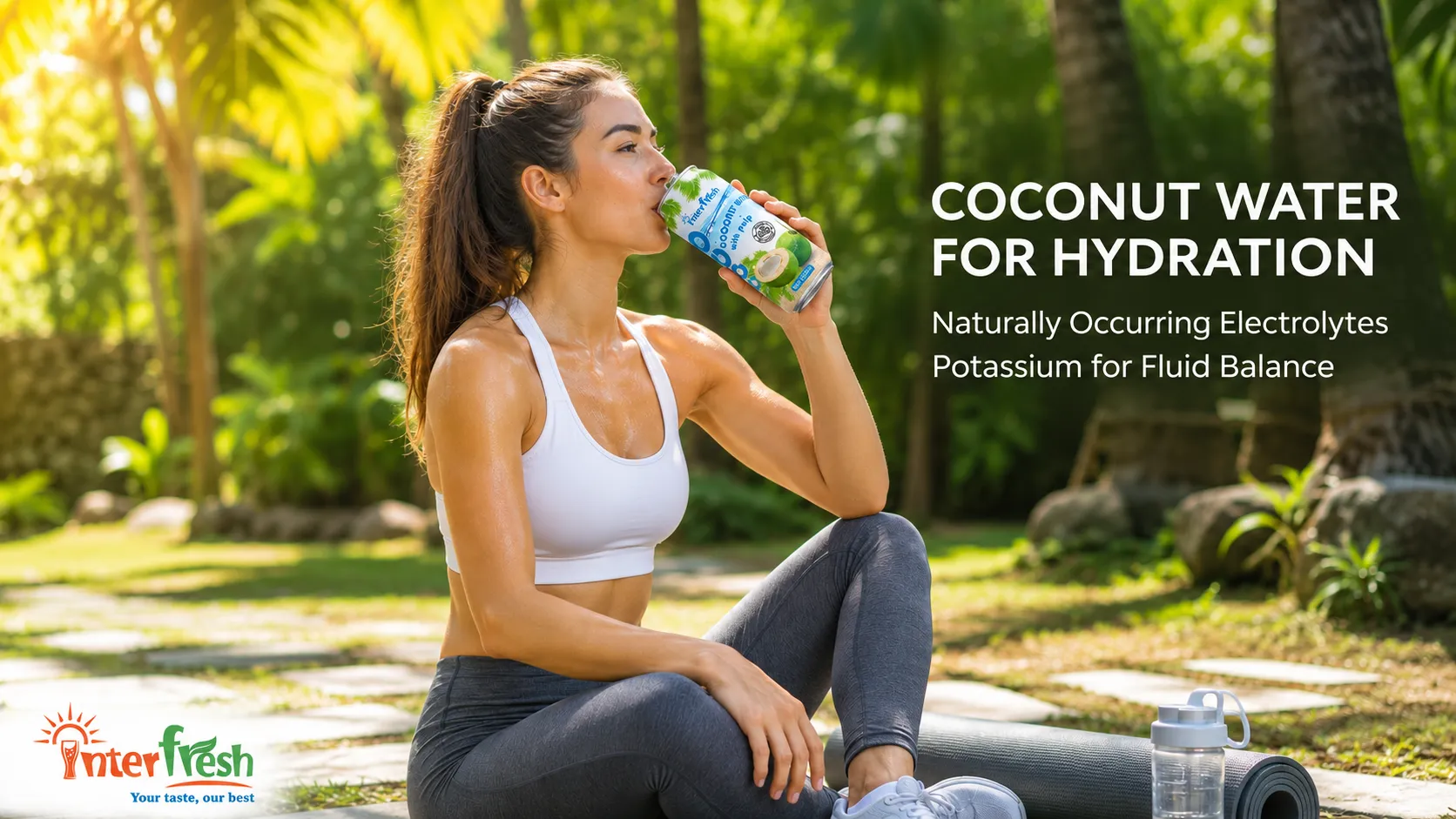
Coconut water offers a lightly sweet taste alongside fluid, potassium and other electrolytes. As a natural electrolyte drink, it can provide variety after light activity or on a hot day. Mineral levels vary with the raw material and product. Check the nutrition label rather than assuming all coconut water contains the same amounts.
For workouts lasting less than around 60–90 minutes in normal weather, plain water is often enough. You can choose coconut water because you enjoy the taste, without treating it as an essential electrolyte replacement.
After heavy, prolonged sweating, sodium deserves closer attention. Coconut water contains potassium but may not provide enough sodium to replace your sweat losses. A high potassium content alone does not make a drink the most suitable choice in this situation.
Kalman and colleagues (2012) studied 12 exercise-trained men. They found similar results for coconut water and a sports drink on some rehydration measures. Some participants experienced more bloating or discomfort with coconut water. How comfortably you tolerate a drink also matters, particularly after exercise.
Explore Interfresh’s coconut water range for dehydration
Milk
Milk is familiar as a source of nutrition, but it also contributes to fluid intake. Whole cow’s milk contains approximately 87% water, along with protein, carbohydrate and minerals. A glass can therefore provide both fluid and nutrients.
After moderate-to-intense exercise, low-fat milk or chocolate milk may suit your recovery needs. Fluid and electrolytes help replace losses, while carbohydrate and protein support refueling and muscle recovery. Chocolate milk adds sugar and calories, so consider whether you also need that extra energy.
Digestive tolerance should guide your choice. Lactose-free milk may suit people who have difficulty digesting lactose. People with a milk allergy need to avoid the proteins that trigger their reaction. Removing lactose does not address that allergy.
100% Fruit Juice
Pure fruit juice provides fluid and minerals such as potassium, but it also contains naturally occurring sugar. Portion size matters just as much as the fruit you choose. “No added sugar” does not mean sugar-free.
Orange juice, watermelon juice and tart cherry juice are three options to consider. Orange and tart cherry juices provide potassium, while watermelon juice also contains magnesium. Each brings a different flavor. However, the evidence does not rank these three as the best juices for hydration.
The NHS recommends a combined daily limit of 150 ml for fruit juice and s moothies, taken with a meal. For a lighter taste, mix one part juice with one to two parts water. This reduces the sugar concentration in each sip. Finishing the entire mixture still gives you the original amount of sugar.
Most fruit juices do not provide much sodium. After prolonged sweating, consider a drink with a clearly stated sodium content to help meet your electrolyte replacement needs. Adding a “pinch of salt” to juice leaves the sodium amount uncertain. It does not make juice a substitute for an oral rehydration solution.
Electrolyte Water
Electrolyte water: Water containing dissolved electrolytes, such as sodium and potassium, with amounts that vary by product.
Electrolyte-infused water supplies minerals alongside fluid. A low-sugar or sugar-free option may suit you when meals or other foods already provide energy. It can help replace fluid and electrolytes without supplying much additional fuel.
When choosing electrolyte drinks for hydration, look at the actual mineral amounts. Some waters contain small quantities mainly for taste, while other formulas target replacement of sweat losses. After extended activity, check the sodium content rather than relying on the word “electrolytes” on the front label.
This also helps explain the difference between electrolyte water and carbohydrate-containing sports drinks. Both can supply fluid and electrolytes, but the latter also provides fuel for exercise. Your energy needs help determine which is more appropriate.
Sports Drinks
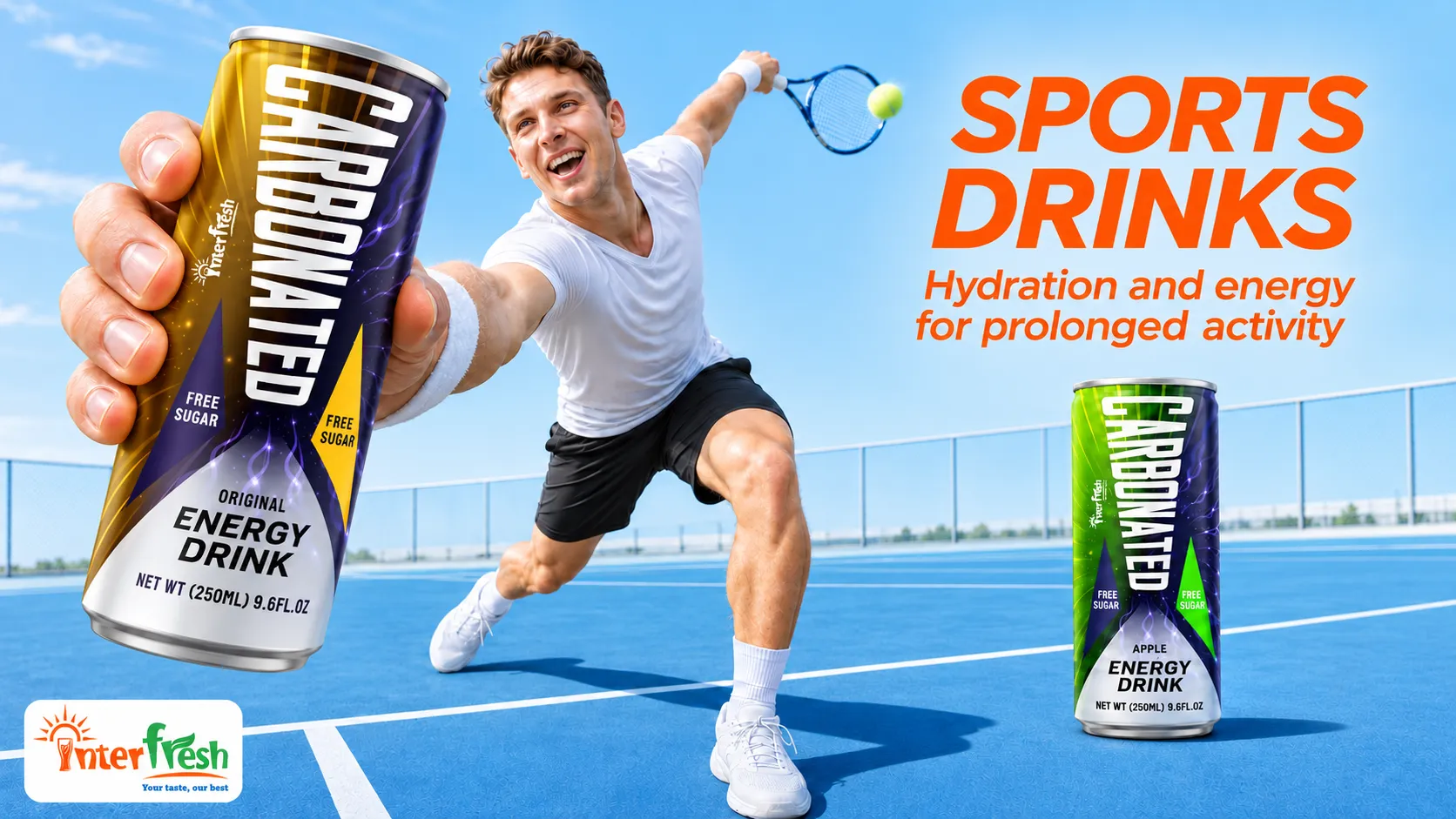
Sports drink: A beverage formulated to supply fluid and electrolytes for exercise, often with carbohydrate for fuel.
During prolonged activity, you may need fluid and energy at the same time. Sports drinks with electrolytes and carbohydrate combine both functions. Sodium helps replace sweat losses, while carbohydrate provides fuel for continued exercise.
The role of sugar therefore depends on the occasion. You may not need the extra energy during an ordinary day. However, it can serve a purpose in an endurance exercise plan.
Some sugar-free sports drinks focus on fluid and electrolyte replacement without providing an equivalent amount of carbohydrate. Check the formula to understand what you will get, even when products share the same “sports drink” label.
These drinks can also be useful outside a sporting setting. CDC/NIOSH recommends sports drinks with balanced electrolytes for workers who sweat for several hours.
Oral Rehydration Solutions
Oral rehydration solution — ORS: A solution with specified amounts of glucose and electrolytes to replace fluid and electrolyte losses.
Vomiting or diarrhea can lead to substantial fluid and electrolyte losses. ORS contains measured amounts of glucose and mineral salts. Glucose helps the intestine absorb sodium and water, while electrolytes replace losses. WHO recommends ORS for dehydration associated with diarrhea.
Coconut water, juice and sports drinks do not provide an equivalent substitute. Although they may contain sugar and minerals, they do not have the same balance of glucose and salts as ORS.
Ask a pharmacist or healthcare professional about an appropriate ORS, especially for children. For a powder, use exactly the amount of water stated on the package. Adding more or less water changes the concentration of the solution.
Are Any Drinks More Hydrating Than Water?
Some studies suggest that milk or ORS helps the body retain more fluid than water over the observation period. To interpret those findings, it helps to distinguish short-term fluid retention from the choice of an everyday drink.
What Hydration Studies Actually Measure
Beverage Hydration Index (BHI): A measure comparing fluid retention after drinking a beverage versus water under specified test conditions.
A 2016 BHI study involved 72 men who were already adequately hydrated. Researchers measured urine output over four hours. Milk and ORS supported greater fluid retention than still water under the test conditions. [7]
These findings describe short-term fluid retention in the participants. They do not establish which drink suits all-day consumption or meets everyone’s needs.
Why the Best Everyday Choice Can Still Be Water
A useful choice also depends on energy intake, tolerance and the occasion. Milk may fit breakfast because you want both fluid and nutrition. Water is convenient for frequent drinking throughout the day because it adds no sugar or calories.
Claims about the “most hydrating drinks” need that context. Research can explain the strengths of different beverages. Your diet and activities determine how those findings apply to your routine.
How to Choose a Beverage for Hydration
Start with your needs, then compare products. The same electrolyte water that helps after hours of sweating may offer little practical advantage during a quiet day indoors.
Start with Your Actual Need
On an ordinary day, make water your main drink. Unsweetened tea or sparkling water can add variety according to your preferences.
For prolonged exercise or heavy sweating, consider a drink containing sodium to help replace losses. Choose a carbohydrate-containing sports drink when you also need fuel. Low-sugar electrolyte water may suit you when you already have another energy source.
When vomiting or diarrhea causes fluid losses, ask a pharmacist or healthcare professional about ORS and follow the instructions. Seek medical advice promptly if you keep vomiting after drinking or show signs of serious dehydration.
Compare the Amount You Actually Drink
Nutrition labels may show information per 100 ml, per serving or per bottle. Identical numbers on two labels can therefore represent different amounts of sugar or sodium in your actual intake.
The FDA explains that serving size reflects the amount people typically consume; it is not a personal intake recommendation. A bottle may also contain more than one serving, so check both the container size and the number of servings.
The example below uses hypothetical figures and does not represent an Interfresh formula:
| Nutrition information | Per 100 ml | Per 500 ml bottle |
|---|---|---|
| Total sugar | 4 g | 20 g |
| Sodium | 30 mg | 150 mg |
| Potassium | 20 mg | 100 mg |
Finishing the 500 ml bottle gives you the amounts in the final column. Compare products on the same volume basis first, then calculate the amount you expect to drink.
Look Beyond a Single Claim
Terms such as “no added sugar,” “natural” and “with electrolytes” highlight individual features. They do not describe the entire formula. A drink with no added sugar can still contain naturally occurring sugar from fruit or milk.
Likewise, “electrolytes” does not tell you which minerals a drink contains or in what quantities. Read the nutrition information, juice percentage and ingredient list to understand how the product fits your needs. The manufacturer can provide further details when important information is missing.
How Much Fluid Do You Need Each Day?
Total water intake: Water from drinking water, other beverages and food combined.
Your water needs vary with your body, activity level, climate and health. A reference amount can provide a starting point, but you still need to consider your circumstances.
Mayo Clinic cites approximately 2.7–3.7 liters a day from all sources as a reference range for healthy adults. This includes water in food and other beverages, rather than an additional amount of plain water to drink.
Drink regularly and pay attention to changes in your body. Thirst, a dry mouth, dark urine or less frequent urination can indicate dehydration. Persistent dizziness when standing calls for prompt medical advice; confusion or difficulty waking requires emergency help.
More fluid is not always better. Excessive intake can lower blood sodium. Kidney disease, heart failure or a prescribed fluid restriction may affect your fluid needs. Consult your healthcare professional before increasing fluids or adding electrolytes.
FAQs
Do Coffee and Tea Count Toward Daily Fluid Intake?
Yes. Both contribute fluid. A study compared moderate coffee intake with an equivalent amount of water in men who regularly drank coffee. Researchers found no significant difference in hydration under the study conditions. This supports including coffee in daily fluid intake, without suggesting that every caffeine dose suits everyone.
Are Zero-Sugar Electrolyte Drinks Always Better?
The better choice depends on your energy needs. Zero-sugar electrolyte drinks may suit you when you want fluid and electrolytes without additional carbohydrate. During prolonged activity, consider how food or drinks will also meet your fueling needs.
Are Energy Drinks the Same as Sports Drinks?
The two serve different purposes. Energy drinks generally use caffeine to support alertness, while sports drinks focus on fluid, electrolytes and often carbohydrate for exercise. Check the ingredients before treating an energy drink as a replacement for a sports drink.
Is Coconut Water Better Than Water After Every Workout?
Coconut water can support rehydration, but the evidence does not establish that it outperforms water after every workout. Plain water is often enough after light exercise. Following heavy sweating, sodium content and your tolerance of the drink become more important considerations. [6, 12]
Can Juice Replace Water Throughout the Day?
Juice contributes fluid, but replacing all your water with juice also increases juice and sugar intake. An appropriate portion with a meal lets you enjoy fruit flavor while keeping plain water available for regular drinking.
References