
The can catches your eye. The flavor decides whether you buy it again. Some people enjoy Red Bull’s unmistakable Original. Others prefer the lighter citrus of Monster Zero Ultra or the candy-shop sweetness of Alani Nu Cotton Candy. With so many energy drink brands to choose from, which one fits your taste?
This guide explores 12 brands through specific products, comparing flavor, drinking experience and formula. If you are looking for the best energy drink to try next, start with the flavors you enjoy, then compare the sugar and caffeine in the exact product you plan to buy.
Each brand profile answers three questions: What makes it distinctive? What does the featured drink taste like? And what might make you enjoy it—or choose something else?
Editorial approach: Interfresh compiled official product information, published taste reviews and commercial data. This is a research-based comparison, rather than an Interfresh taste test. The list moves from classic flavors to fruit, candy-inspired and organic options; the numbering is a reading order, not a performance ranking. Commercial figures identify their reporting periods and scope.
Energy Drink Brands List: A Quick Comparison
| Brand | Featured product | Flavor profile | Who might enjoy it? |
|---|---|---|---|
| Red Bull | Original | Candy-like sweetness, mild citrus tang and a distinctive energy-drink flavor | Anyone curious about a classic energy drink |
| Monster | Zero Ultra | Light, sparkling citrus | Fans of lighter citrus and zero sugar |
| Rockstar | Original | Sweet tropical fruit with a bubblegum character | People who enjoy bold, sweet flavors |
| HELL | Classic | Tutti-frutti with mild acidity | Fans of a straightforward classic flavor |
| V Energy | Original | Green apple and citrus with a noticeable sweet-tart balance | People who like sharper fruit flavors |
| Celsius | Green Apple Cherry | Tart green apple | Fans of fruit flavors rather than dessert-style drinks |
| Alani Nu | Cotton Candy | Cotton candy and vanilla | People who enjoy intensely sweet, zero-sugar drinks |
| Ghost | Sour Patch Kids Blue Raspberry | Candy-inspired fruit sweetness | Fans of candy-brand collaborations |
| C4 | Blood Orange Yuzu | Sweet-leaning citrus | People who prefer gentle citrus to sharp sourness |
| Reign | White Gummy Bear | Sweet pineapple gummy | Fans of pineapple and candy flavors |
| Bang | Blue Razz and Delish Strawberry Kiss | Fruity candy with a light fizzy feel | People who enjoy sweet flavors without sugar |
| GURU | Original | Cola-like and herbal notes | Anyone looking for something beyond fruit and candy |
These descriptions apply to the featured products. Other drinks from the same brand can differ substantially in flavor, sugar and caffeine. Formulas and can sizes may also vary by market.
Popular Energy Drink Brands: What Makes Each One Different?
Red Bull: A Classic Original With an Unmistakable Flavor
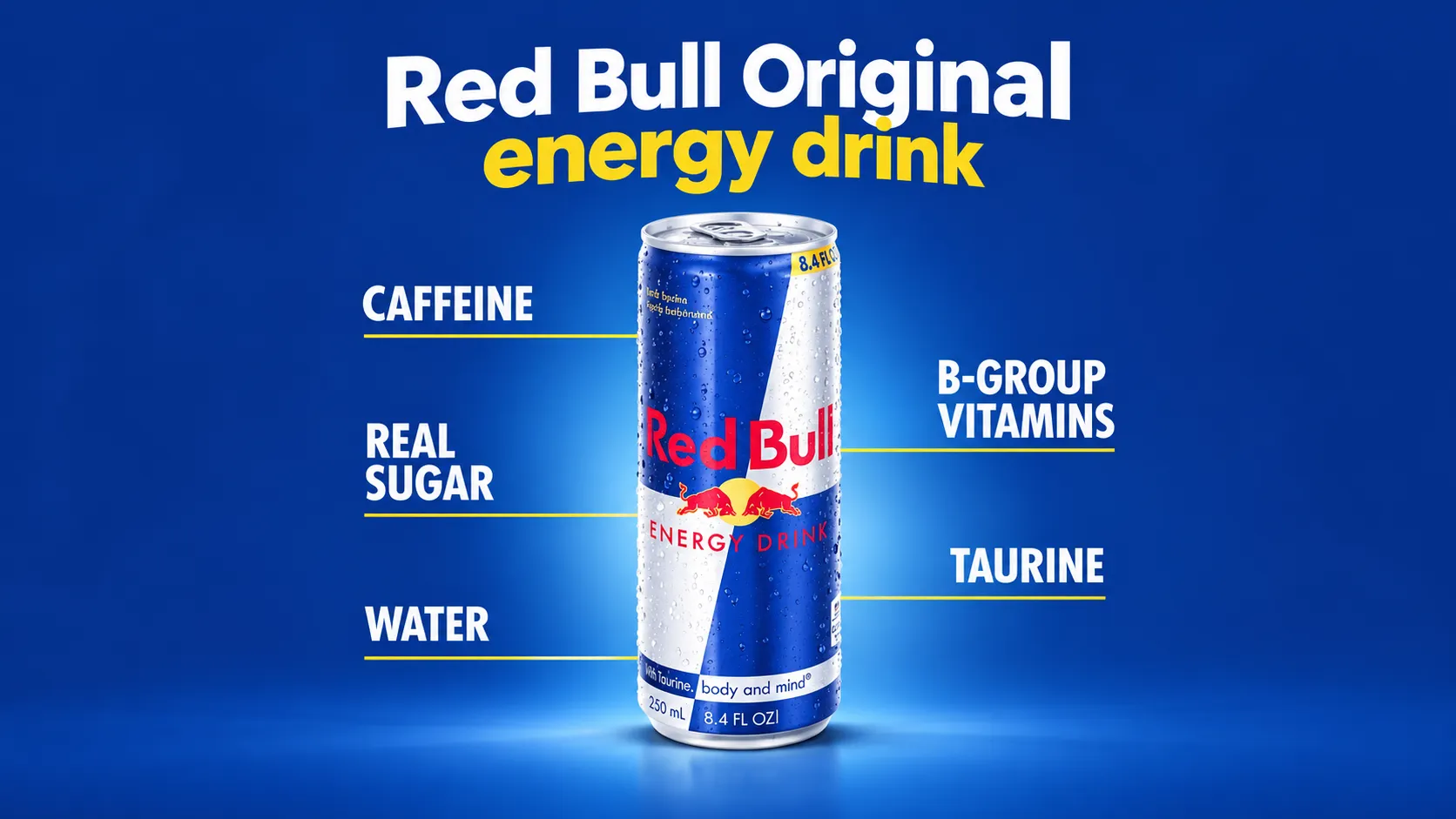
Red Bull is an Austrian energy drink brand launched in 1987. Its blue-and-silver can, “Gives You Wings” slogan and sports presence have created a recognizable identity.
Brand Finance valued Red Bull at approximately US$12.3 billion in 2026. That figure measures brand value under the organization’s valuation methodology.
The range includes Original, Sugarfree, Zero and flavored Editions. Original is a useful starting point for understanding Red Bull’s signature taste before exploring its fruit-flavored alternatives.
Original combines candy-like sweetness, a little citrus tang and carbonation. Its blended flavor is difficult to pin to one particular fruit. That distinctive character appeals to familiar drinkers, while newcomers may notice a cough-syrup-like note.
A 250 ml Original can contains 80 mg of caffeine and 27 g of sugar. Its smaller serving size makes it a straightforward option for an initial taste.
Try Original if you want to explore a classic energy-drink flavor. If you prefer an easily identifiable fruit taste, start with an Edition that matches your preferences.
Monster: A Broad Range, With Zero Ultra Offering Lighter Citrus
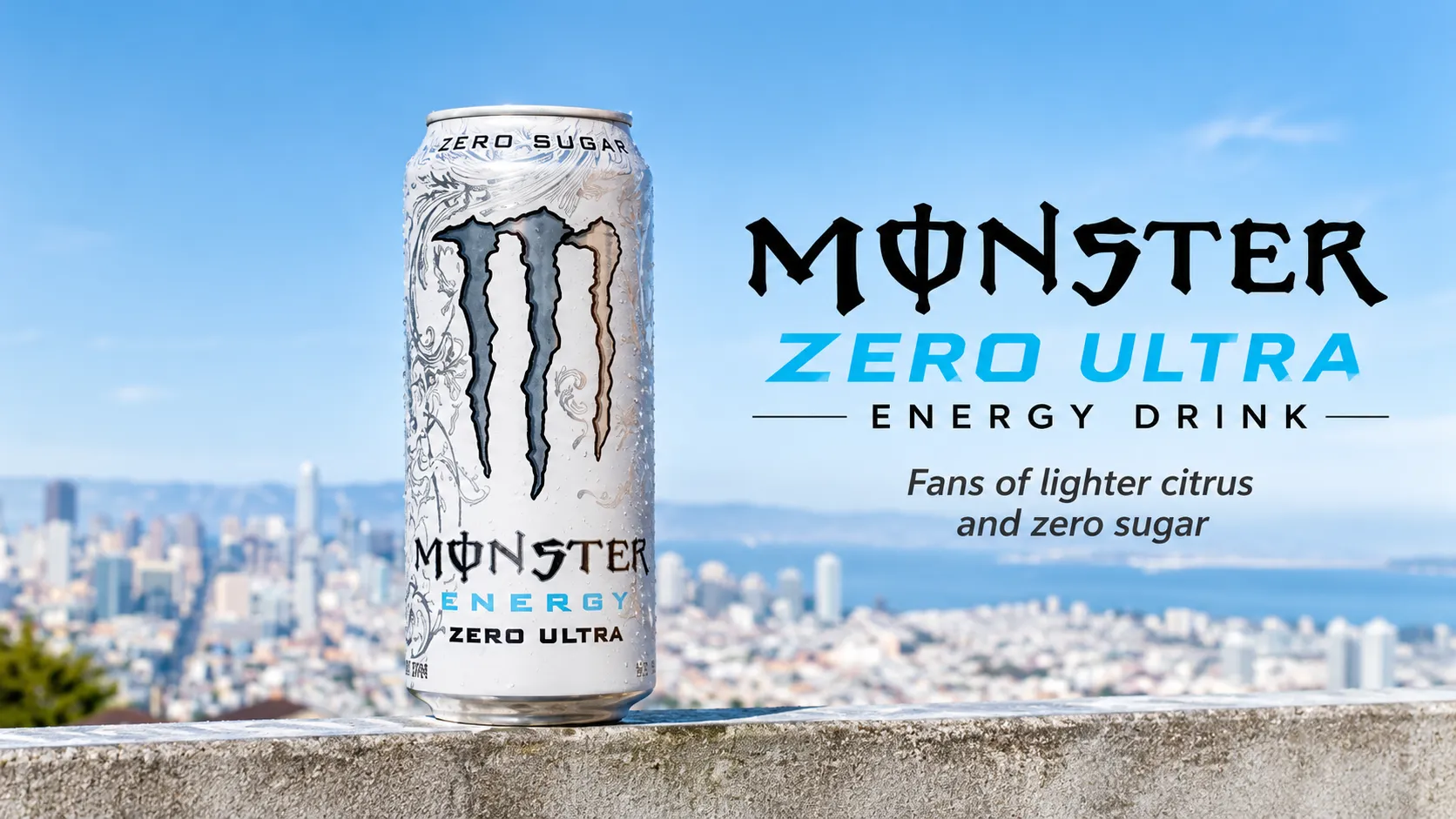
Monster is an American energy drink brand associated with its claw-mark logo, sports, music and gaming. Its range spans Original, Ultra, Juice Monster, Rehab and Java Monster.
Brand Finance placed Monster’s 2026 brand value at approximately US$9.1 billion.
Variety is central to Monster’s appeal. Original introduces the brand’s core style, while Ultra focuses on zero-sugar options. This guide features Zero Ultra to explore the lighter citrus side of that range.
Often called White Monster, Zero Ultra stands out in its white can. The US 16 fl oz version contains 150 mg of caffeine, 0 g of sugar and 10 calories.
Light citrus and a sparkling feel give it a refreshing profile. It is approachable if you prefer a relatively gentle flavor, though drinkers looking for sharp lemon acidity or a clearly defined fruit may find it a little understated.
Zero Ultra suits people looking for light citrus without sugar. It represents one part of Monster’s range, rather than the taste of the entire brand.
Rockstar: Original for Fans of Bold Sweetness
Rockstar is an American energy drink brand recognizable by its star logo. Original, Sugar Free and Pure Zero offer different routes into the range.
Rockstar operations owned by Celsius Holdings in the US and Canada contributed US$133.1 million in revenue during the first half of 2026. That figure covers the business within Celsius Holdings’ ownership scope.
Original provides an introduction to Rockstar’s traditional energy-drink style.
Its tropical-fruit aroma has a bubblegum character, followed by pronounced sweetness. That makes it appealing to fans of bold flavor, but potentially heavy for someone who prefers a lighter drink.
Consider Original if sweetness is part of the appeal for you. For a zero-sugar option, explore the individual Sugar Free or Pure Zero product rather than assuming the experience will match Original.
HELL: A Straightforward Tutti-Frutti Classic
HELL is a Hungarian energy drink brand launched in 2006. Its red-and-black can makes a strong visual statement, while Classic takes a relatively straightforward approach to flavor.
Classic is a useful introduction to the brand. It combines tutti-frutti flavor with sweetness, mild acidity and a relatively gentle aroma. The overall impression is familiar and easy to approach.
Its appeal lies in that balance. Fans of traditional energy drinks may appreciate the simplicity, while someone seeking a distinctive pineapple-gummy or vanilla flavor may want more of a signature note.
HELL Classic suits drinkers who enjoy a familiar sweet-tart energy drink. Start here to understand the brand’s Classic style before exploring its other flavors or zero-sugar options.
V Energy: Original With a Green-Apple Edge
V Energy originated in New Zealand in 1997 and belongs to Suntory’s portfolio. Its green can is a recognizable feature, and guarana forms part of its product identity.
V Original shows how much an “Original” flavor can vary between energy drink brands. Here, green apple and citrus are more clearly identifiable.
Following a formula change in 2023, apple became more prominent. Tartness sits against a sweet base and lingers after the sip, giving the drink a sharper character than vanilla or cotton-candy-inspired options.
That acidity is both a selling point and a potential drawback. Green-apple fans have a clear reason to explore it; people who usually choose gentle flavors may find the lingering tartness too assertive.
V Original suits drinkers who like fruit flavor with a distinct sweet-tart contrast.
Celsius: Fruit Flavors With a Fitness Identity
Celsius is an American brand built around an active, fitness-oriented image. Slim cans and a broad selection of fruit flavors help define its presentation.
The Celsius brand recorded US$735 million in revenue during the first half of 2026, according to Celsius Holdings.
Its portfolio includes different ranges, including Essentials with its own specifications. This guide features Green Apple Cherry as a flavor example rather than treating every Celsius drink as interchangeable.
Green Apple Cherry stands out for its tart green-apple character. It is more enjoyable cold; as it warms, the sweetener aftertaste becomes more noticeable.
This flavor suits people who prefer tart fruit to dessert-inspired sweetness. If your usual choice is vanilla or cotton candy, it offers a different direction.
Alani Nu: Zero Sugar for People With a Sweet Tooth
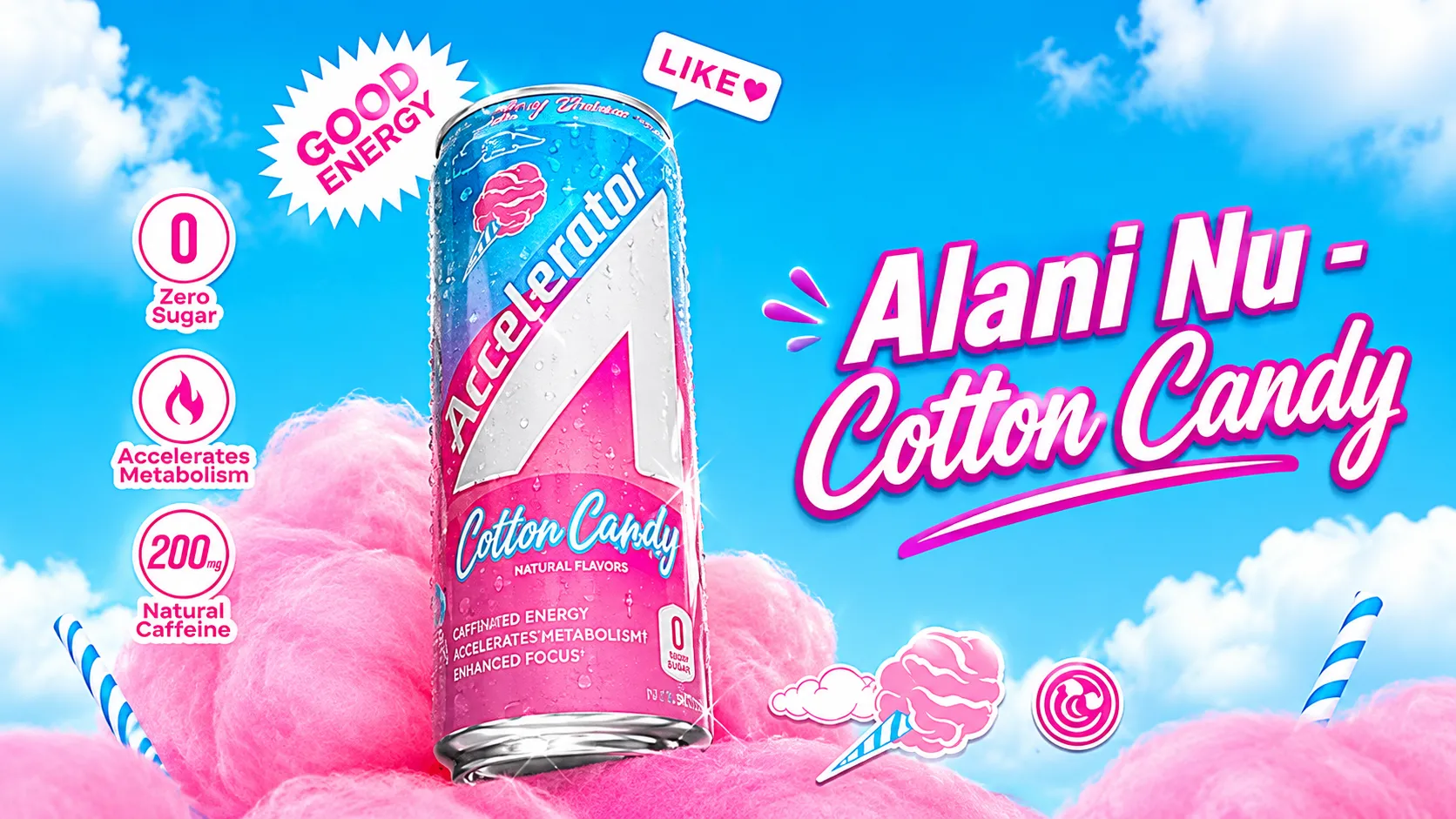
Alani Energy is the zero-sugar energy drink range from Alani Nu, an American brand founded in 2018. Colorful slim cans, inventive flavors and a collaboration with Kim Kardashian have helped shape its appeal among women and fitness audiences.
Alani Nu recorded US$732.4 million in revenue during the first half of 2026, according to Celsius Holdings.
Options such as Juicy Peach, Pink Slush and Cotton Candy span fruit and sweet-shop flavors. The formula includes sucralose, taurine, L-theanine and B vitamins.
Cotton Candy is an Alani Energy flavor introduced in 2025, combining cotton candy with vanilla. It illustrates the brand’s approach to dessert-inspired drinks.
Its appeal is the close resemblance to cotton candy, including the impression of the confection dissolving in your mouth. The trade-off is intense sweetness, which can become tiring if you prefer a lighter drink.
The standard can contains 200 mg of caffeine, while the mini version contains 100 mg.
Cotton Candy suits people who enjoy vanilla, candy flavors and zero sugar. Juicy Peach offers a different starting point if you would rather explore Alani Nu through fruit flavors.
Ghost: Familiar Candy Names in an Energy Drink
Ghost is an American brand with roots in sports nutrition, and GHOST Energy is an important part of its portfolio. Colorful cans, its ghost graphic and branded collaborations give it a distinctive presence.
Names such as Sour Patch Kids, Swedish Fish and Welch’s Grape communicate the flavor concept before you open the can. Sour Patch Kids Blue Raspberry illustrates that approach.
The flavor leans toward sweet candy. Drinkers expecting the sharp sourness of Sour Patch Kids may find it less distinctive than anticipated.
Part of Ghost’s appeal is discovering how a familiar confection translates into a drink. That familiarity also creates specific expectations.
Ghost suits people who enjoy candy-inspired flavors and brand collaborations. Choose the individual flavor that interests you, with room for it to taste different from the original candy.
C4: Sports Nutrition Meets Inventive Flavors
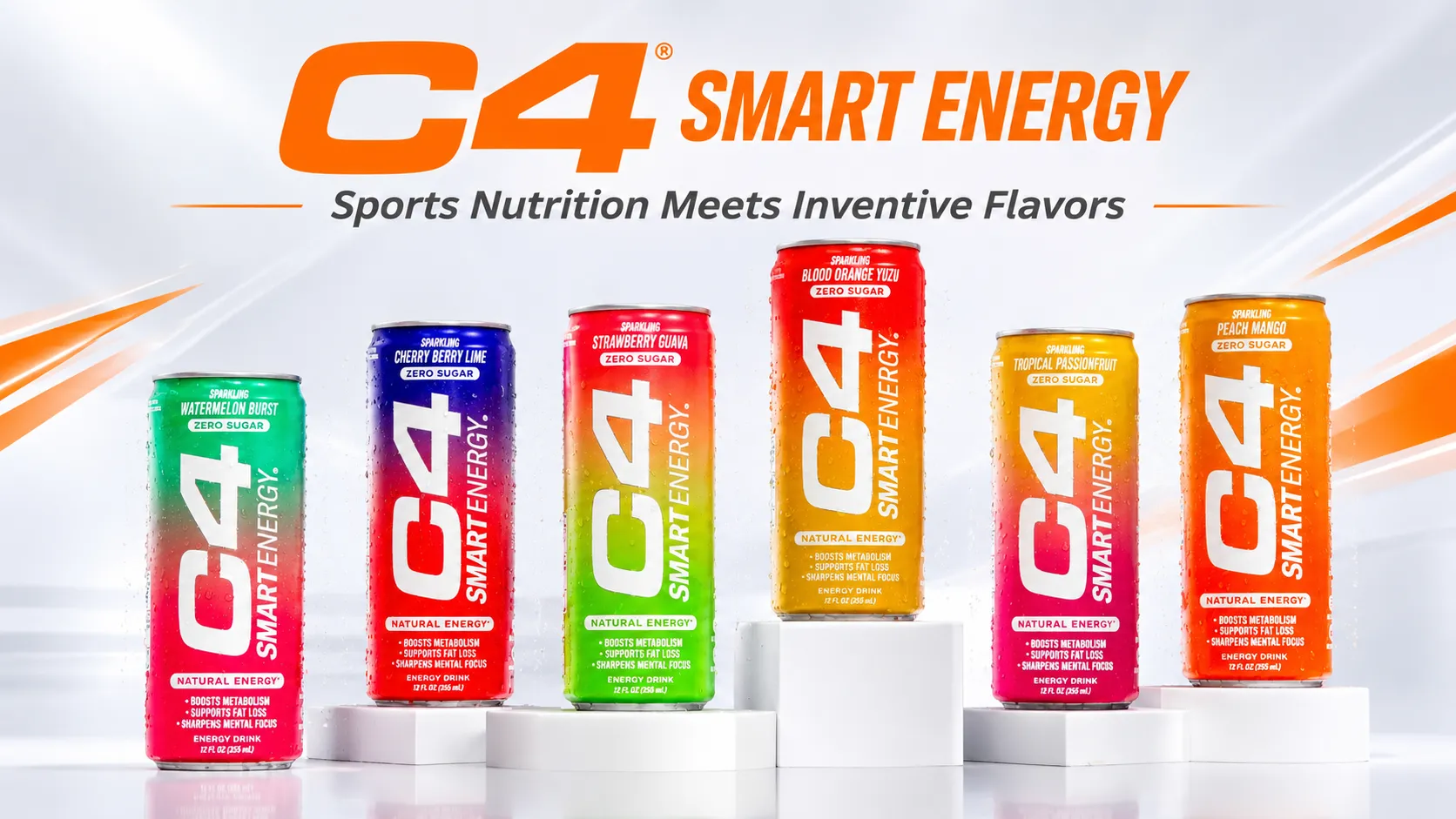
C4 belongs to American company Nutrabolt and expanded from sports nutrition into ready-to-drink energy drinks. Ranges such as Original, Smart Energy and Ultimate offer distinct product options.
Alongside candy-brand collaborations, C4 has offered Blood Orange Yuzu, the citrus example featured here.
Blood Orange Yuzu leans sweet, with a gentle yuzu note. It may suit people who enjoy mild citrus, while those looking for pronounced sourness could find it less sharp than expected.
The name suggests a citrus-led experience, but sweetness is a key part of the profile. That distinction matters if yuzu’s tartness is the reason you want to try it.
C4 is worth exploring if you like its sports-oriented identity and variety of flavors. Consider Blood Orange Yuzu according to your preference for sweeter citrus.
Reign: Pineapple Candy in White Gummy Bear
Reign belongs to Monster Beverage’s portfolio and has a fitness-oriented identity. Its Total Body Fuel range pairs sports branding with flavors inspired by candy and desserts.
White Gummy Bear expresses that approach through sweet pineapple-gummy flavor. The pineapple leans toward syrup: mellow and sweet rather than sharply acidic like fresh fruit.
A little sweetness and pineapple aroma remain after the sip. Chilling makes it more refreshing, though its low acidity can feel one-dimensional if you prefer a stronger sweet-sour contrast.
The US 16 fl oz version contains 300 mg of caffeine and is sugar-free. Consider the caffeine separately from how easy the flavor feels to drink.
White Gummy Bear suits fans of sweet pineapple and fruit candy. If you want pineapple’s fresh, tangy edge, look for a different flavor direction.
Bang: Fruity Candy Flavors Without Sugar
Bang is an American energy drink brand recognizable by its “b” logo and expressive flavor names. Blue Razz and Delish Strawberry Kiss provide examples of its candy-inspired approach.
Both offer fruity candy flavor with a light fizzy feel. They suit people who enjoy playful sweetness more than a natural-fruit style.
Standard products in Bang’s US range emphasize zero sugar and 300 mg of caffeine per can. That combination also shows why sugar content and perceived sweetness are separate considerations.
Bang may appeal to people who enjoy sweet, zero-sugar flavors. Trying one can first is a practical way to judge the candy character and aftertaste before buying a multipack.
GURU: Organic Energy With an Herbal Character
GURU is a Canadian brand founded in Montréal in 1999. Its focus is organic energy drinks and plant-derived caffeine.
GURU Original includes ingredients such as organic cane sugar, grape juice concentrate, green tea and guarana. Original provides an introduction to the brand’s formulation approach.
GURU Organic Energy reported C$11.5 million in net revenue for the quarter ended July 31, 2026, its highest quarterly revenue at the time of publication.
Original has cola-like and herbal notes with gentle carbonation. It offers a different direction for people looking beyond fruit and candy flavors.
GURU is worth exploring if you are interested in organic ingredients and a different flavor profile. Original contains sugar-bearing sweetening ingredients, so distinguish it from the zero-sugar options in this list.
How to Choose the Best Energy Drinks for Your Taste
A single brand can offer several ranges with different flavors, sugar levels and caffeine amounts. Compare the exact product and can size you intend to buy.
Start With the Flavor You Enjoy
- Classic energy-drink flavor: Explore Red Bull Original or HELL Classic.
- Light citrus: Consider Monster Zero Ultra.
- Green apple and tartness: Look at V Original or Celsius Green Apple Cherry.
- Vanilla and dessert flavors: Explore Alani Nu Cotton Candy.
- Fruit candy: Consider Ghost, Reign White Gummy Bear or the featured Bang flavors.
- Herbal character: Look into GURU Original.
Pay attention to sweetness, acidity, carbonation and aftertaste as well as the headline flavor. Those details often tell you more about the drinking experience than the name on the can.
Separate Zero Sugar From Sweetness
Zero sugar describes sugar content; sweetness describes how the drink tastes. Sweeteners can produce an intensely sweet profile, particularly in candy- and dessert-inspired flavors.
If you prefer lighter drinks, read flavor descriptions alongside the nutrition information. A zero-sugar product can still taste too sweet for your preferences.
Compare Caffeine, Sugar and Price at the Same Serving Size
Check the product name, can size, caffeine per can and sugar per can. When sizes differ, comparing values per 100 ml can help explain differences in concentration, while the per-can total shows what you would consume by finishing the drink.
For price, compare equivalent volumes and pack sizes. A larger can may cost more individually but less per milliliter.
Include caffeine from coffee, tea and other sources when considering your daily intake. For an unfamiliar flavor, start with one can before committing to a case.
FAQs About Energy Drink Brands
What Is the Best Energy Drink in the World?
The answer depends on the flavor, sugar content and caffeine level you want. Monster Zero Ultra offers lighter citrus; Alani Nu Cotton Candy suits fans of vanilla and candy; Red Bull Original introduces a classic energy-drink profile.
Choose by the specific product. You may enjoy one flavor from a brand and find another less appealing.
Which Major Energy Drink Brands Stand Out for Their Scale?
Red Bull and Monster are two major brands in this guide. Brand Finance valued them at approximately US$12.3 billion and US$9.1 billion, respectively, in 2026.
Brand value measures value under a particular methodology. Identifying the most popular energy drinks by sales requires comparable revenue or volume data for the same market and reporting period.
What Is the Difference Between Energy Drink Brands and Energy Drink Companies?
A brand is the name consumers recognize; a company owns or operates the business behind it. One company can own several energy drink brands.
For example, Monster Beverage’s portfolio includes Monster, Reign and Bang. Company-wide revenue can therefore cover several brands and product ranges.
Do Zero-Sugar Energy Drinks Taste Sweet?
Yes. Sweeteners allow drinks to retain sweetness without sugar. A light citrus flavor and a cotton-candy flavor can both be zero sugar while offering very different drinking experiences.
Researching energy drink brands for a product of your own? Interfresh helps B2B partners develop private label energy drinks, from flavor direction to packaging and production planning.
References
- Brand Finance — Food and Drink Brand Valuations, 2026: Brand valuation figures for Red Bull and Monster.
- Celsius Holdings — Form 10-Q for the Quarter Ended June 30, 2026: First-half revenue figures for Celsius, Alani Nu and the Rockstar business within Celsius Holdings’ ownership scope.
- GURU Organic Energy — Third-Quarter 2026 Results: Quarterly net revenue reported in Canadian dollars.