
The Australian Coconut Water Market, Why Demand Keeps Growing
Why Dec to Feb Is the Critical Ordering Window for Australian Distributors
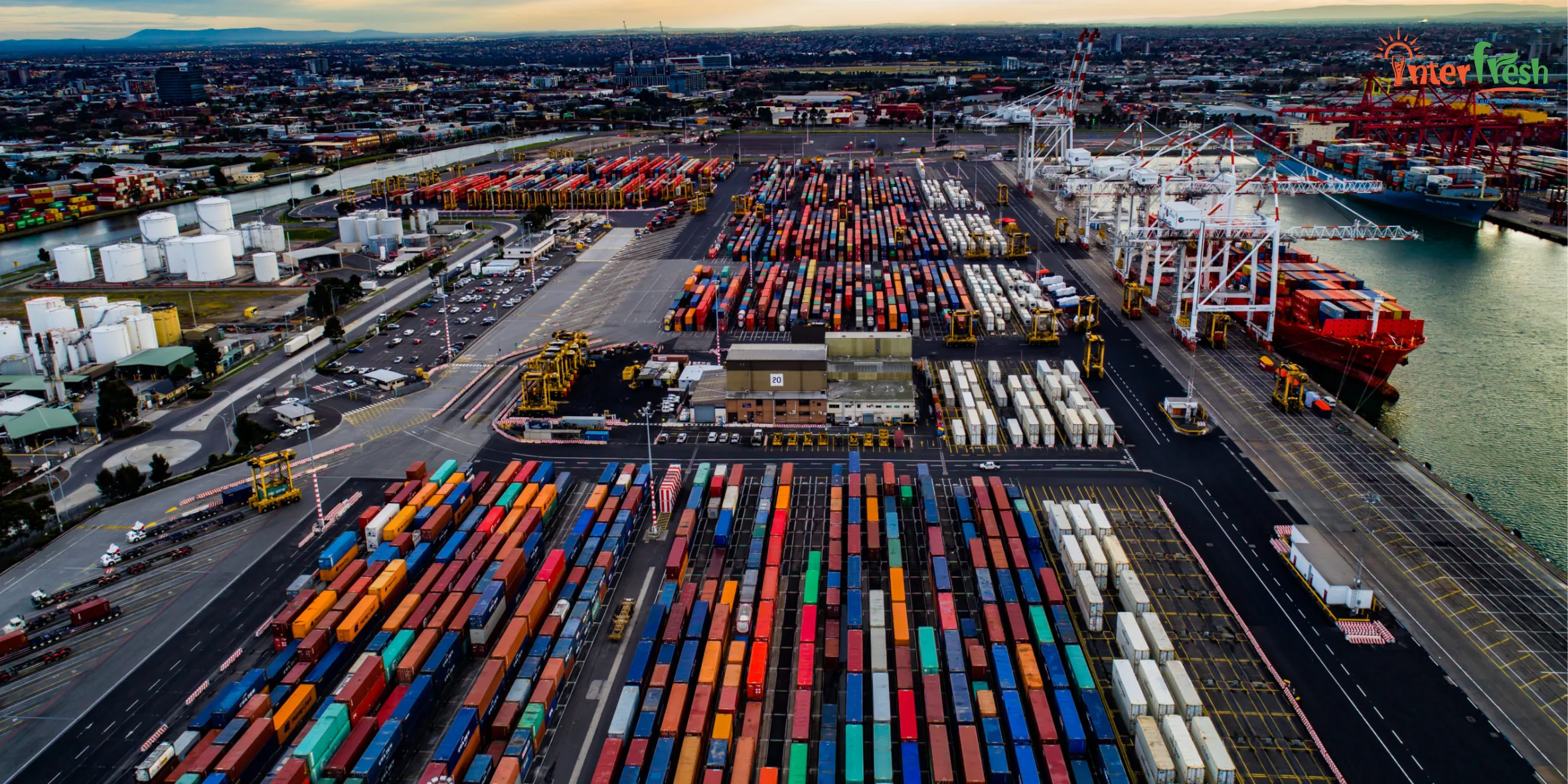
For wholesalers, this means container bookings and production schedules need to be planned several months in advance.
Recommended Timeline for Summer Peak Success:
- July – September: Place orders with your Coconut Water Supplier Australia (ideal window)
- September – October: Production and quality inspection
- October – November: Ocean freight and arrival in Australia
- December – February: Peak selling season on shelves
This schedule allows sufficient buffer for sample approval, production lead times, ocean transit from Vietnam, biosecurity clearance (BICON), and any potential inspection delays at Australian ports.
Biosecurity and Import Requirements, What Australian Importers Must Confirm
-
The product classification has been checked against the Biosecurity Import Conditions system, commonly referred to as BICON, since importers must classify their goods in BICON to determine if an import permit or specific treatment is required.
-
The finished product complies with the Australia New Zealand Food Standards Code, since all imported foods must meet this code in addition to biosecurity requirements.
-
Labeling meets the Country of Origin Food Labelling Information Standard, which is a mandatory requirement under the IFIS framework.
-
Documentation is complete and accurate, including commercial invoice, packing list, packing declaration confirming container cleanliness, and any required manufacturer declarations, since incomplete documentation is where most import delays occur.
Packaging Formats and Product Lines Suited to the Australian Market
-
Aluminum cans, including 250ml and 330ml formats, which align with the premium positioning seen across Australian coconut water brands sold in major supermarkets and convenience channels.
-
Tetra Pak cartons, suited to ambient shelf storage and longer distribution chains across Australia’s large geography, where extended shelf life reduces the risk of stock aging before reaching regional retailers.
-
PET bottles, useful for foodservice, gyms, and on the go retail formats where lightweight packaging supports distribution efficiency.
Planning Your Bulk Order for the Summer Peak
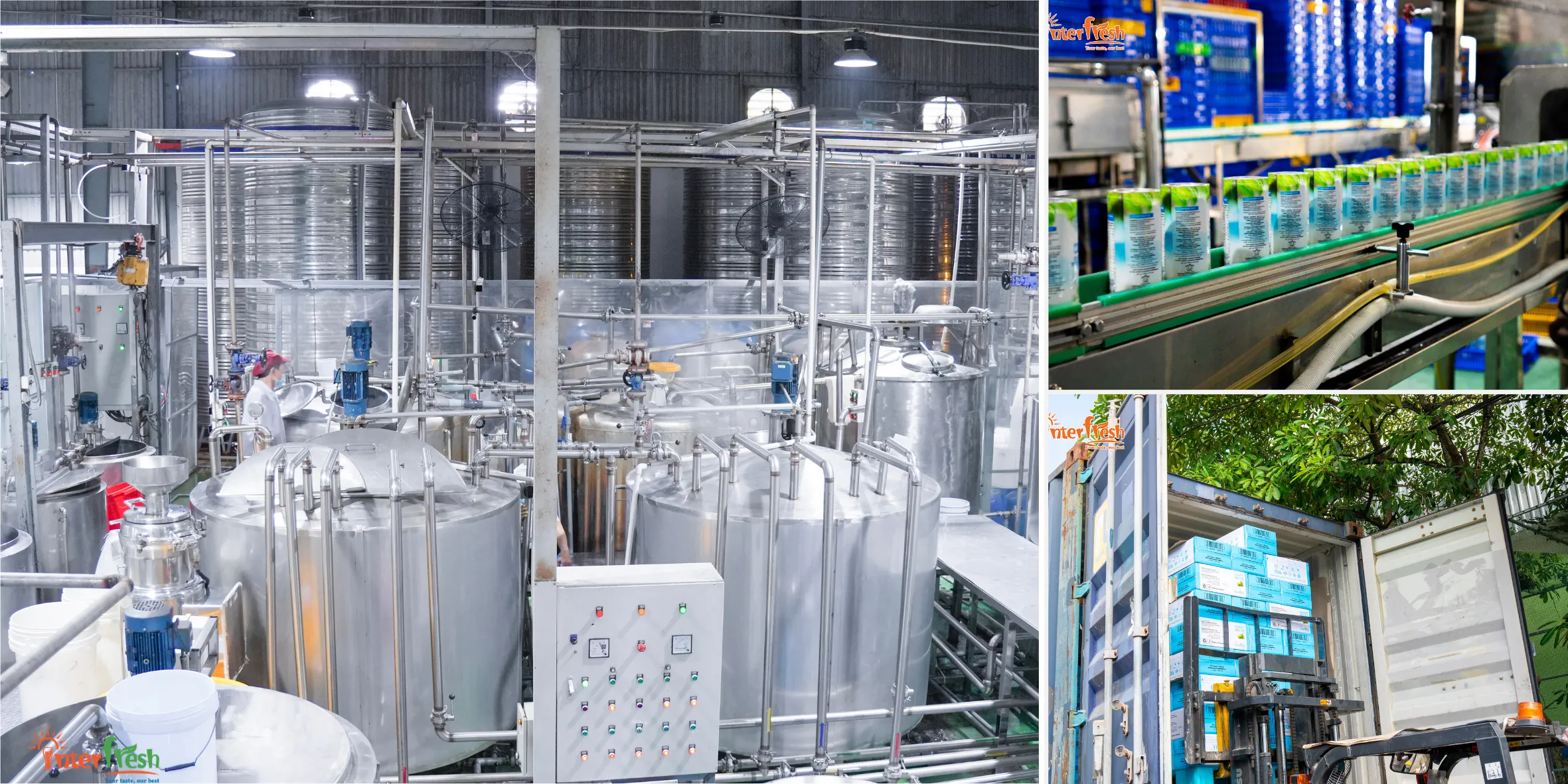
Interfresh can support distributors by aligning production schedules with the Australian seasonal calendar, helping ensure containers are booked and shipped with sufficient buffer for BICON related processing before peak season demand begins.
Interfresh offers distinct advantages over other Southeast Asian suppliers:
-
Shorter Shipping Time (12–18 days): Closer proximity compared to more distant origins results in faster transit and lower risk of delays.
-
Cost Competitiveness: Superior price-to-quality ratio allows Australian distributors to maintain healthy margins during the high-volume summer season.
-
Consistent Freshness: Young coconuts from the Mekong Delta are processed quickly, delivering superior taste and natural electrolyte content.
How to Start a Bulk Order With Interfresh
-
Submit your requirements (packaging, volume, target shelf date, and any custom needs).
-
Receive a detailed quotation and product samples for evaluation.
-
Finalize specifications, labeling, and compliance documentation.
-
Production, quality assurance, and shipment with full support.
Our export team works closely with Australian partners to ensure smooth delivery aligned with your seasonal planning. Request samples, download our product catalog, or speak directly with our export team to plan your next bulk shipment.
Learn more about our full range as a Coconut Water Manufacturer & OEM Vietnam.
FAQs
- Does coconut water need a permit to be imported into Australia? Importers must check the product classification in the Biosecurity Import Conditions (BICON) system to determine if an import permit or specific treatment is required.
- What food safety standards must imported coconut water meet? All imported foods must comply with the Australia New Zealand Food Standards Code (FSANZ), in addition to biosecurity requirements.
- When should I place my order to have stock ready for the Australian summer? For the Dec–Feb peak, orders should generally be placed between July and September to allow sufficient time for production, shipping, and biosecurity clearance.
- Can I get private label coconut water for the Australian market? Yes. We support full private label services, including custom packaging, flavor adjustments, and labeling compliant with Australian Country of Origin requirements.
- What is the MOQ for bulk coconut water orders to Australia? MOQ typically starts at one 20ft container, with flexibility depending on packaging format and customization level.
- Is coconut water classified differently from coconut milk for import? Yes. Coconut water is classified separately from coconut milk drinks under Australian import categories.
References
IMARC Group (2026) Australia Coconut Water Market Size, Share and Forecast. Available at: https://www.imarcgroup.com/australia-coconut-water-market (Accessed: 15 June 2026).
Department of Agriculture, Fisheries and Forestry (2026) Importing Food into Australia – Biosecurity Requirements. Available at: https://www.agriculture.gov.au/biosecurity-trade/import/goods/food (Accessed: 15 June 2026).
Department of Agriculture, Fisheries and Forestry (2026) BICON – Biosecurity Import Conditions. Available at: https://bicon.agriculture.gov.au (Accessed: 15 June 2026).