
Fruit punch is one of those beverages that everyone recognizes but few people can precisely define. Ask ten people what’s in it and you’ll get ten different answers — which is partly the point. The category exists precisely because it’s flexible, combining whatever fruits create the right balance of sweet, tart, and tropical in a single glass.
But for beverage manufacturers, importers, and B2B buyers, “it depends” isn’t a useful answer. Understanding the actual ingredient logic behind fruit punch — which fruits do what, why certain combinations work, and where the category is heading — is practical knowledge for anyone developing or sourcing fruit-based beverages today.
What Is Fruit Punch?
Fruit punch is a mixed-fruit beverage built on layered flavor rather than a single source. Unlike orange juice or mango nectar, which derive their identity from one fruit, fruit punch is defined by combination — typically a sweet base, a tropical middle note, and a citrus element that keeps the profile from becoming cloying.
Traditional recipes bring together fruit juices, water, a sweetener, citrus for balance, and often a sparkling or chilled element. Today the category spans ready-to-drink cans, PET bottles, juice boxes, concentrates, powder mixes, cocktail bases, and functional wellness beverages — each format serving a different channel and consumer occasion.
What Fruits Are Commonly Used in Fruit Punch?
The fruit selection in any punch recipe is doing specific flavor work. Each ingredient has a role.
Pineapple
Pineapple is the workhorse of tropical fruit punch. It contributes sweet tropical flavor, natural acidity, a bright aroma, and a clean refreshing finish — all in one ingredient. More importantly, it’s a versatile blending fruit: pineapple pairs naturally with mango, orange, guava, and passion fruit without overpowering any of them, which is why it appears in the base of so many commercial tropical punch formulas.
Orange
Orange juice provides citrus brightness and familiar sweetness that consumers recognize immediately. Its role is partly flavor and partly reassurance — orange is a universally understood profile that anchors more exotic tropical combinations. It also brings natural vitamin C, which supports health-forward positioning.
Lemon and lime
These are the sharpness and balance layer. Without a citrus acid element, fruit punch trends sweet and flat. Lemon and lime prevent that, enhancing freshness, lifting aroma, and creating a cleaner finish. Lime in particular is common in Southeast Asian fruit punch formulations, where a sharper citrus note is preferred.
Mango
Mango gives fruit punch a creamy tropical sweetness and smooth mouthfeel that heavier citrus bases can’t replicate. Consumers globally associate mango with premium tropical beverages and summer refreshment, which makes it a strong choice for positioning. Mango-pineapple and mango-passion fruit are two of the most commercially successful tropical combinations.
Apple
Apple juice functions as a neutral sweet base — it contributes natural sweetness without imposing its own strong flavor profile. Manufacturers use it to balance more intense fruits, extend volume without adding cost, and create kid-friendly formulas that aren’t too sharp or exotic. Most consumers can’t identify apple in a fruit punch; it’s structural rather than expressive.
Grape
Grape juice adds smooth sweetness and a rich, slightly wine-like fruitiness. It’s the backbone of purple and berry-style fruit punches, where it works alongside cherry and cranberry to create a deep, full flavor profile.
Cherry
Cherry delivers bold sweetness and the deep red color that most consumers associate with classic fruit punch. It’s especially dominant in American-style punch, children’s beverages, and party formats where visual appeal matters as much as flavor.
Cranberry
Cranberry operates differently from most punch ingredients — it adds tartness and complexity rather than sweetness. Modern fruit punches increasingly include cranberry because consumers associate it with antioxidants, reduced sugar perception, and functional wellness. It’s one of the cleaner ways to add depth to a punch without making it heavier.
Emerging Fruits Reshaping the Category
As the fruit punch category premiumizes, manufacturers are moving beyond the classic eight into more exotic territory.
Passion fruit delivers intense tropical aroma and a sharp tangy flavor that elevates any combination it enters. It has become a marker of premium positioning in tropical beverages globally.
Guava adds floral sweetness and a smooth, slightly grainy tropical note that’s particularly popular in Southeast Asian and Latin American markets. It softens sharper citrus combinations.
Pomegranate has found a home in antioxidant-focused and wellness-positioned beverages. Its dark tartness works well with berry profiles.
Calamansi, a small citrus fruit native to Southeast Asia, provides sharp acidity with a distinctive floral note. It’s trending in Asian-inspired beverage concepts as a more complex alternative to lime.
Dragon fruit is increasingly used for its striking visual impact — the deep pink-red pigment creates vivid color naturally — and for the premium, exotic positioning it signals on shelf.
The History of Fruit Punch
The origin of punch as a beverage category traces back to India, where the word comes from panch — the Hindi word for “five.” Early recipes consisted of five ingredients: alcohol, sugar, lemon, water, and tea or spices. British sailors brought these recipes to Europe in the 17th century, where fruit juices gradually replaced or supplemented the alcohol.
By the early 20th century, fruit punch had evolved into a non-alcoholic family beverage. Brands like Hawaiian Punch helped define the tropical fruit punch template in North America — combining pineapple, orange, passion fruit, and other tropical flavors into a product that became synonymous with gatherings, childhood, and refreshment.
From there the category split in several directions: a children’s beverage category, a tropical juice blend category, a foodservice and hospitality staple, and more recently, a functional beverage opportunity.
Types of Fruit Punch
The category is more segmented than it appears from the outside.
Tropical fruit punch — the foundational style — combines pineapple, mango, passion fruit, and guava. Popular in Caribbean, Southeast Asian, and Pacific markets, and growing globally as tropical flavors expand their reach.
Berry fruit punch builds on cherry, cranberry, raspberry, and grape. It skews younger and is the dominant style in North American children’s beverage aisles.
Citrus punch focuses on orange, lemon, lime, and grapefruit. Lighter and more refreshing than tropical or berry styles, it suits foodservice and hospitality contexts where a clean, non-cloying profile matters.
Sparkling fruit punch adds carbonation from soda water or sparkling juice bases. It occupies the premium end of foodservice — hotels, restaurants, events, and weddings where a non-alcoholic option needs to feel festive.
Functional fruit punch is the fastest-growing segment. These products add low-sugar formulas, vitamin fortification, collagen, aloe vera, basil seeds, or coconut water to a fruit punch base. They bridge the refreshment and wellness categories — the same consumer occasion as traditional punch, but with a health-forward reason to buy.
Is Fruit Punch Healthy?
The honest answer is that it depends entirely on the formulation. The category ranges from products made with real fruit juice, natural concentrates, and no artificial coloring, to products built on high-fructose corn syrup, artificial flavors, and minimal actual juice.
Healthier fruit punch products use real fruit juice or natural concentrates as the primary ingredient, keep added sugar controlled, avoid artificial coloring, and increasingly add functional ingredients like vitamins or botanicals. The products that have struggled in recent years are those with high added sugar and low actual fruit content — consumers are reading labels more carefully, and “fruit punch” with 5% juice no longer passes without scrutiny.
The clean-label direction isn’t just a trend — it’s becoming the default expectation in developed markets, and it’s moving quickly into Southeast Asian and Middle Eastern markets as well.
Fruit Punch Trends in the Global Beverage Market
Several forces are reshaping the fruit punch category simultaneously.
Tropical flavor innovation is the most active area. New combinations involving passion fruit, calamansi, dragon fruit, and lychee are entering markets that previously had limited exposure to these profiles. Southeast Asian manufacturers are well-positioned here because of direct access to these raw materials.
Low-sugar and reduced-sugar formulation has become a commercial necessity in many markets, not an optional premium. Brands that haven’t addressed sugar content are losing distribution in health-conscious retail channels.
Functional beverage integration is pulling the fruit punch category upmarket. Vitamin-enriched, collagen-fortified, and probiotic fruit punches are creating a new premium tier that commands higher price points and shelf placement.
Exotic Asian fruit combinations — calamansi, soursop, mangosteen, longan — are gaining attention globally, partly driven by diaspora markets and partly by a broader consumer appetite for novel, authentic flavor experiences.
Private label development is accelerating as retailers and distributors look for differentiated fruit-based products under their own brands. OEM/ODM beverage manufacturing is the mechanism enabling this growth.
Interfresh’s Fruit-Based Beverage Solutions
Interfresh is a Vietnam-based OEM beverage manufacturer specializing in tropical fruit beverages for global B2B markets. Drawing on Vietnam’s direct access to tropical fruit sources, Interfresh develops fruit punch-inspired beverages using natural ingredients aligned with current clean-label and functional trends.
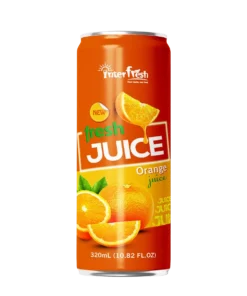
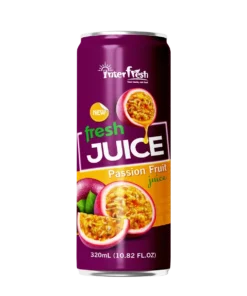
Available flavor options include Mango Juice Drink, Pineapple Juice Drink, Guava Juice Drink, Passion Fruit Juice, Mixed Fruit Juice, Aloe Vera Fruit Drinks, Basil Seed Fruit Drinks, and Coconut Water Blends.
Interfresh supports importers, wholesalers, supermarkets, and beverage brands through full OEM/ODM manufacturing services, covering private label development, custom fruit punch formulation, multiple packaging formats, HALAL certification, ISO 22000 standards, and export support to over 80 countries.




Frequently Asked Questions
What fruits are most commonly used in fruit punch?
The core fruits are pineapple, orange, lemon, lime, mango, cherry, grape, cranberry, and apple. Most commercial formulas combine four to six of these, using citrus for balance and tropical fruits for the primary flavor character.
Why does fruit punch taste tropical?
Most fruit punch formulas use pineapple, mango, guava, and passion fruit as primary ingredients. These tropical fruits share high natural sweetness, strong aroma, and bright acidity — a combination that creates the characteristic tropical profile.
Is fruit punch made with real fruit juice?
It varies by product. Premium and clean-label products use real fruit juice or natural concentrates. Budget products often use concentrates or artificial flavorings with lower juice percentages. Label reading is the only reliable way to determine actual fruit content.
What is the difference between fruit punch and juice?
Fruit punch is a blend of multiple fruit sources — it’s defined by combination. Juice is typically derived from a single fruit, like orange juice or apple juice, and is defined by that fruit’s specific flavor.
Can fruit punch be healthy?
Yes, when made with natural fruit juice, reduced added sugar, no artificial coloring, and ideally functional ingredients. The healthiness of any specific product depends entirely on its formulation, not the category label.
What is tropical fruit punch? Tropical fruit punch is the style built on pineapple, mango, guava, passion fruit, and citrus. It’s the dominant style in Caribbean, Southeast Asian, and Pacific markets, and the fastest-growing style globally.
What fruits pair best together in fruit punch? Strong commercial combinations include pineapple and mango, orange and cherry, passion fruit and guava, and cranberry and grape. Each pairing balances a sweet, rich fruit with something sharper or more tart.
Fruit punch remains one of the most adaptable categories in fruit-based beverages — flexible enough to span children’s drinks and functional wellness products, simple enough to be understood instantly, and complex enough to support genuine premiumization. As consumers continue to seek natural ingredients, tropical flavors, and beverages that offer more than simple refreshment, the category has significant room left to grow — both in established markets and in the emerging middle-class consumer base across Asia, the Middle East, and Africa.
Get Your B2B Quote in 24 Hours
Specify flavor, packaging, volume, and destination.
Leave us a message
Your taste, our best
Contact
Factory: 11 National Road 22, Tram Bom Hamlet, Cu Chi Commune, HCM.C, Vietnam
Office: 81 Dong An, Tan Dong Hiep ward, Ho Chi Minh City, Viet Nam.
Hotline: (+84) 931 883 401
Email: info@interfresh.com.vn
