
Nata de coco is more than just a chewy topping in desserts and beverages. Made from fermented coconut water, this translucent jelly has become increasingly popular worldwide thanks to its refreshing texture, low-calorie profile, and health-supporting properties. From bubble teas and fruit cocktails to yogurt toppings and tropical beverages, nata de coco offers both taste and nutrition.
In this article, we’ll explore the nutritional value, health benefits, and practical uses of nata de coco while helping consumers and beverage businesses understand why this ingredient continues to gain popularity in the global food and beverage industry.
What Is Nata de Coco?
Nata de coco is a jelly-like food originally developed in the Philippines. It is produced by fermenting coconut water using a beneficial bacteria called Acetobacter xylinum. During the fermentation process, the bacteria create natural cellulose, transforming coconut water into a chewy, translucent gel.
After fermentation, the jelly is cut into cubes or strips, then soaked in syrup or juice before being added to beverages, desserts, fruit salads, yogurt, and frozen treats. Today, nata de coco is widely used in tropical drinks and functional beverages because of its enjoyable texture and healthy image.
For consumers asking, “Is nata de coco healthy?” the answer is yes — especially when consumed in moderation and paired with balanced nutrition.
Nutritional Value of Nata de Coco
Nata de coco is appreciated not only for its texture but also for its nutritional characteristics. A standard serving generally contains:
- Low Calories: Typically around 60–70 calories per serving, depending on added syrup or sweeteners.
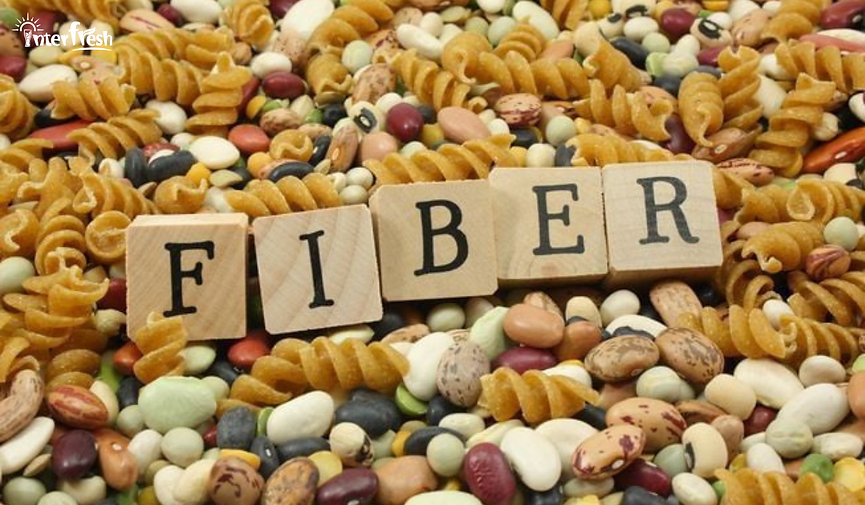
- High Dietary Fiber: Rich in natural cellulose fiber that supports digestive wellness and promotes fullness.
- Low Fat Content: Contains minimal fat, making it suitable for low-fat diets.
- Low Cholesterol: Naturally cholesterol-free and suitable for heart-conscious consumers.
- Hydration Support: Derived from coconut water, which is associated with hydration and refreshing beverages.
Because of these characteristics, nata de coco has become a preferred ingredient in healthier beverage formulations and modern dessert concepts.
Health Benefits of Nata de Coco
Below are some of the key health benefits that make nata de coco increasingly popular among health-conscious consumers worldwide.
1. Supports Digestive Health
One of the biggest advantages of nata de coco jelly is its high dietary fiber content. Fiber plays an essential role in digestive health by supporting regular bowel movements and improving gut function.
The natural cellulose found in nata de coco may help:
- Reduce constipation
- Improve digestive regularity
- Support healthy gut bacteria
- Promote smoother digestion
For individuals looking for easy ways to improve fiber intake without sacrificing taste, nata de coco can be a practical and enjoyable option.
2. Helps With Weight Management
Low-calorie snacks that provide satiety are valuable for maintaining healthy eating habits. Nata de coco offers a satisfying chewy texture while remaining relatively low in calories.
Its fiber content helps consumers feel fuller for longer periods, which may reduce unnecessary snacking and overeating. This makes nata de coco suitable for:
- Weight-conscious diets
- Healthy beverage formulations
- Low-fat dessert concepts
- Portion-controlled snacks
Compared to many high-sugar dessert toppings, nata de coco provides texture and enjoyment with fewer calories.

3. Supports Hydration and Skin Wellness
Because nata de coco originates from coconut water, it is commonly associated with tropical refreshment and hydration-focused beverages. While the fermentation process changes the composition, nata de coco still contributes to refreshing beverage experiences that encourage fluid intake.
Proper hydration is important for:
- Maintaining skin moisture
- Supporting metabolism
- Regulating body temperature
- Improving overall wellness
Nata de coco is often used in fruit beverages, coconut drinks, and tropical refreshment products designed for active and health-conscious consumers.
4. May Help Support Healthy Cholesterol Levels
The dietary fiber in nata de coco may assist in reducing the absorption of cholesterol in the digestive system. Fiber-rich foods are commonly associated with better heart health and improved cholesterol management.
Adding fiber-containing foods such as nata de coco into a balanced diet may contribute to:
- Lower LDL (bad) cholesterol levels
- Better cardiovascular health
- Improved digestion and metabolism
Although nata de coco should not replace a healthy lifestyle, it can complement balanced dietary habits.

5. A Convenient Source of Fiber
Many people struggle to meet daily fiber recommendations. Nata de coco provides a simple and delicious way to increase fiber consumption without requiring major dietary changes.
It can easily be added to:
- Fruit juices
- Bubble tea drinks
- Yogurt cups
- Ice cream toppings
- Fruit salads
- Tropical desserts
Its versatility makes it attractive to both consumers and beverage manufacturers looking to create products with added texture and functional appeal.
6. Versatile Ingredient for Modern Beverages
One of the reasons nata de coco has become globally popular is its adaptability across different beverage and dessert applications. Its chewy texture creates a unique sensory experience that enhances product value.
Today, nata de coco is commonly found in:
- Fruit juice beverages
- Aloe vera drinks
- Coconut water products
- Bubble teas
- Ready-to-drink tropical beverages
- Asian-inspired desserts
Its ability to combine well with multiple fruit flavors makes it especially attractive for beverage brands seeking innovative product concepts.
Why Consumers Love Nata de Coco
Modern consumers increasingly seek food and beverage products that deliver both enjoyment and wellness benefits. Nata de coco aligns well with these trends because it offers:
- A fun chewy texture
- Low-fat characteristics
- Fiber-rich appeal
- Tropical flavor compatibility
- Versatility in beverages and desserts
- A refreshing and premium experience
As global demand for functional beverages and healthier dessert ingredients continues growing, nata de coco remains a highly attractive ingredient for manufacturers, distributors, and consumers alike.
Nata de Coco – A Smart Addition to Healthy Lifestyles
In conclusion, nata de coco is far more than a trendy dessert ingredient. Its fiber content, low-calorie profile, refreshing texture, and versatility make it an excellent addition to modern food and beverage products.
Whether enjoyed in tropical fruit drinks, desserts, yogurt, or bubble tea, nata de coco provides a satisfying experience while supporting healthier eating habits. For beverage brands and consumers alike, it represents a perfect balance between taste, texture, and wellness.
If you are looking for innovative nata de coco beverage products or private label drink solutions, Interfresh offers a wide range of tropical beverage options tailored for global markets.
Get Your B2B Quote in 24 Hours
Specify flavor, packaging, volume, and destination.
Leave us a message
Your taste, our best
Contact
Factory: 11 National Road 22, Tram Bom Hamlet, Cu Chi Commune, HCM.C, Vietnam
Office: 81 Dong An, Tan Dong Hiep ward, Ho Chi Minh City, Viet Nam.
Hotline: (+84) 931 883 401
Email: info@interfresh.com.vn
