
Last Updated: May 2026 | Wellness & Nutrition Content
Pineapple Benefits for Women: Skin, Digestion, Hormones & Wellness
Pineapple is one of the world’s most popular tropical fruits, loved for its sweet flavor, refreshing taste, and impressive nutritional profile. Rich in vitamin C, antioxidants, fiber, and bromelain, pineapple has become increasingly popular among women seeking healthier lifestyles, digestive wellness, glowing skin, and nutrient-rich foods.
In recent years, pineapple has gained attention in wellness communities because of its connection to gut health, hydration, anti-inflammatory nutrition, and beauty-focused diets. Whether enjoyed fresh, blended into smoothies, or consumed as juice, pineapple fits naturally into modern wellness lifestyles.
This guide explores the most important pineapple benefits for women, including digestion, skin health, hydration, immunity, hormonal wellness, healthy aging, and weight management.
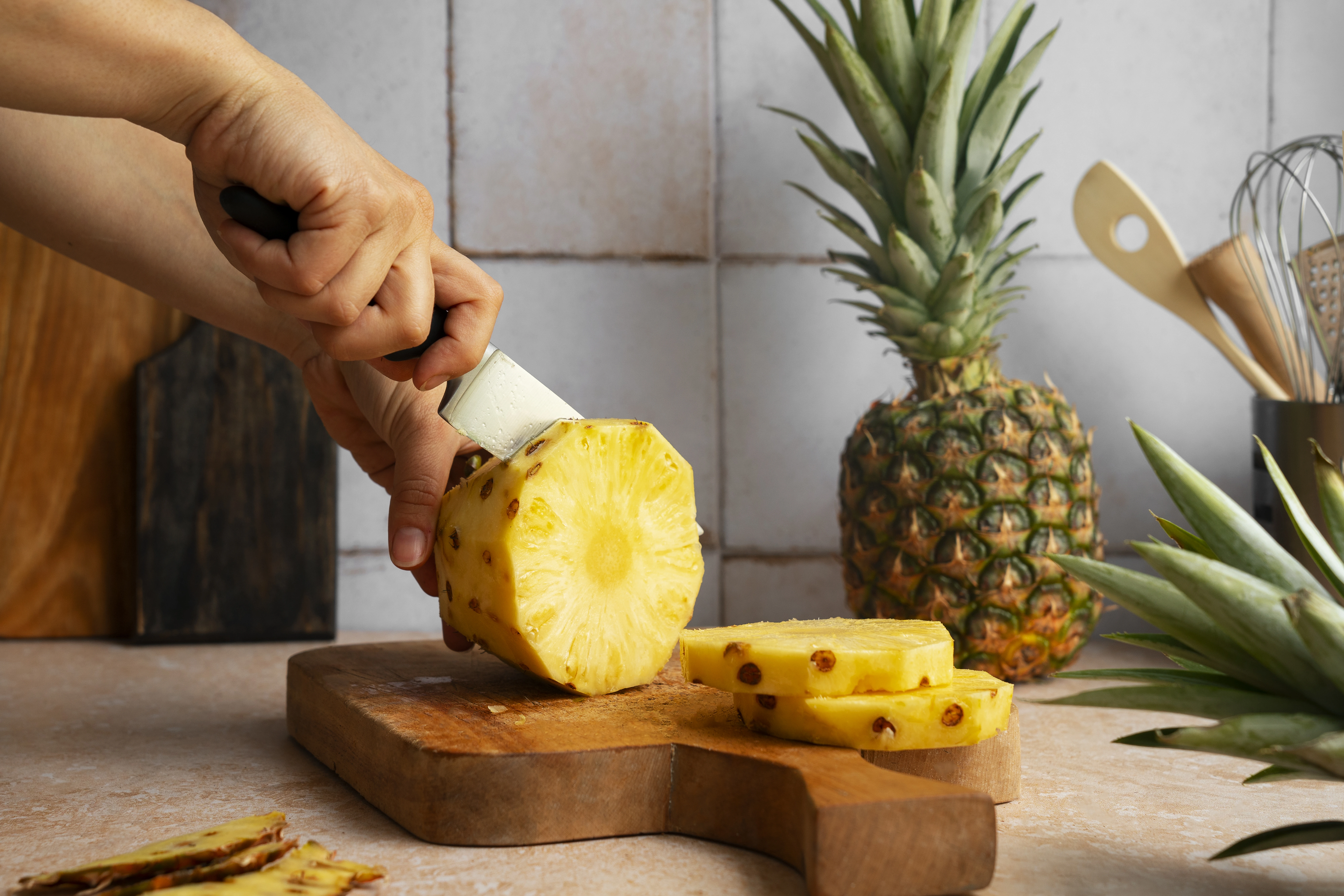
Quick Benefits of Pineapple for Women
- Supports digestion and gut health
- Promotes healthy and glowing skin
- Supports hydration and energy metabolism
- Provides antioxidants for healthy aging
- Supports immune health
- May help reduce inflammation
- Contains nutrients that support overall wellness
- Can support balanced weight-management diets
- Fits well into clean-eating and wellness lifestyles
Nutritional Profile of Pineapple
Pineapple is a nutrient-dense tropical fruit that provides important vitamins, minerals, antioxidants, and digestive enzymes while remaining relatively low in calories.
| Nutrient | Main Function | Why It Matters for Women |
|---|---|---|
| Vitamin C | Supports immunity and collagen production | Helps support skin health and healthy aging |
| Bromelain | Natural digestive enzyme | Supports digestion and gut wellness |
| Fiber | Supports digestive regularity | May help fullness and balanced eating habits |
| Manganese | Supports metabolism and bone health | Important for connective tissue and bones |
| Antioxidants | Helps combat oxidative stress | Supports wellness and skin appearance |
| B Vitamins | Supports energy metabolism | Helps support overall wellness routines |
| Water Content | Supports hydration | Helpful for active lifestyles and warm climates |
Because pineapple is naturally refreshing and nutrient-rich, it is commonly included in healthy snacks, smoothies, fruit bowls, tropical beverages, and clean-label wellness diets.
Pineapple Benefits for Women
1. Supports Digestion and Gut Health
Pineapple is widely recognized for its digestive benefits because it contains bromelain, a natural enzyme that helps break down proteins and support digestion. Many women include pineapple in wellness-focused diets to help support digestive comfort and reduce bloating.
The fruit also provides dietary fiber, which supports digestive regularity and overall gut health. As interest in gut microbiome wellness continues growing, fiber-rich fruits like pineapple are becoming increasingly popular.
Fresh pineapple, pineapple smoothies, and pineapple juice are commonly consumed as refreshing digestive-friendly options, especially during warmer seasons.
2. Promotes Healthy and Glowing Skin
Pineapple contains high levels of vitamin C and antioxidants, both of which are important for skin wellness. Vitamin C helps support collagen production, which contributes to healthier and firmer-looking skin.
Antioxidants help protect the body from oxidative stress caused by environmental factors such as pollution, stress, and UV exposure. Because of this, pineapple is often included in beauty-focused nutrition routines and healthy-aging diets.
Hydrating tropical fruits continue gaining popularity among consumers interested in natural skincare and wellness-oriented lifestyles.
3. Supports Immune Health
Pineapple is rich in vitamin C, one of the most important nutrients involved in normal immune function. Vitamin C-rich fruits are commonly included in balanced diets that focus on overall wellness and seasonal immune support.
Because pineapple is both refreshing and nutrient-rich, it is widely consumed in smoothies, wellness beverages, and fruit-based snacks around the world.
4. May Help Reduce Inflammation
Bromelain, the enzyme naturally found in pineapple, has been widely studied for its anti-inflammatory properties. Many active individuals include pineapple in balanced diets to support recovery and overall wellness.
As consumer interest in anti-inflammatory foods and functional nutrition grows, pineapple continues gaining popularity as a naturally refreshing tropical fruit.
5. Supports Hydration and Energy
Pineapple contains a high amount of water, making it a refreshing fruit choice for hydration support. It also contains natural carbohydrates and nutrients involved in energy metabolism.
This is one reason pineapple is commonly used in smoothies, fruit bowls, tropical wellness drinks, and post-workout snacks.
6. Supports Overall Wellness During Hormonal Changes
Pineapple contains nutrients such as manganese and B vitamins that support overall wellness and normal energy metabolism. Many women prefer nutrient-rich tropical fruits during stressful periods or lifestyle changes because they provide hydration and nutritional support.
While pineapple is not a medical treatment for hormonal concerns, it can be part of a balanced and wellness-focused diet.
7. May Support Weight Management
Pineapple is naturally low in calories while providing fiber and natural sweetness, making it a healthier alternative to many processed snacks and sugary desserts.
Because pineapple is refreshing and satisfying, it is commonly included in smoothie bowls, healthy snacks, and balanced meal plans focused on clean eating and wellness.
8. Supports Bone and Connective Tissue Health
Pineapple contains manganese, an important mineral involved in connective tissue formation and bone metabolism. Combined with vitamin C, these nutrients support overall wellness and healthy aging.
Bone-supporting nutrients become increasingly important as women age, making nutrient-rich fruits an important part of balanced diets.
Why Pineapple Is Popular in Modern Wellness Diets
Pineapple has become increasingly popular in wellness-focused diets because it combines refreshing flavor with nutritional benefits. Consumers today actively search for tropical fruits that support hydration, beauty-focused nutrition, digestive wellness, and clean eating.
As global interest in functional foods and healthy lifestyles continues growing, pineapple is now commonly used in smoothies, cold-pressed juices, yogurt bowls, healthy snacks, fruit salads, and wellness beverages.
The rise of tropical wellness drinks and vitamin-rich beverages has also contributed to pineapple’s popularity in North America, Europe, Australia, and Asia.
Who May Benefit Most from Pineapple?
- Women looking for vitamin C-rich foods
- People seeking digestive-friendly fruits
- Consumers following wellness-focused diets
- Active individuals seeking hydrating snacks
- People trying to reduce processed sugary foods
- Consumers interested in tropical superfoods
- People looking for antioxidant-rich fruits
Best Time to Eat Pineapple
Many people enjoy pineapple in the morning, after workouts, or as a refreshing afternoon snack. Because it contains natural sugars, water, and nutrients, pineapple is commonly included in breakfast bowls, smoothies, and post-exercise meals.
Fresh pineapple can also be a refreshing option during warmer weather because of its hydrating properties.
Fresh Pineapple vs Pineapple Juice vs Dried Pineapple
| Type | Main Advantage | Best Use |
|---|---|---|
| Fresh Pineapple | Highest fiber and hydration | Snacks, fruit bowls, salads |
| Pineapple Juice | Refreshing and convenient | Wellness drinks and smoothies |
| Dried Pineapple | Portable snack option | Travel and quick snacks |
Best Ways to Eat Pineapple
- Fresh pineapple slices
- Pineapple smoothies
- Cold-pressed pineapple juice
- Tropical smoothie bowls
- Fruit salads
- Greek yogurt with pineapple
- Grilled pineapple desserts
- Tropical mocktails and wellness drinks
- Dried pineapple snacks
Many consumers also combine pineapple with coconut water, aloe vera juice, or tropical fruit beverages as part of modern wellness-focused lifestyles.
Can You Eat Pineapple Every Day?
For most healthy adults, moderate pineapple consumption can safely fit into a balanced diet. Pineapple may help support hydration, nutrient intake, and digestive wellness when consumed as part of healthy eating habits.
However, excessive amounts may sometimes cause mouth sensitivity because bromelain is a naturally active enzyme. Individuals with diabetes or acid reflux should monitor portion sizes due to pineapple’s natural sugar and acidity levels.
As with any food, moderation and balance are important.
Pineapple During Pregnancy
Pineapple contains vitamin C, water, antioxidants, and fiber that may support overall nutrition during pregnancy. Moderate consumption is generally considered safe for most pregnant women.
Fresh fruits like pineapple can help add variety, hydration, and natural sweetness to balanced pregnancy diets. Anyone with specific health concerns or dietary restrictions should consult a healthcare professional.
How Much Pineapple Should You Eat?
For most healthy adults, 1–2 cups of fresh pineapple per day can fit comfortably into a balanced diet. Portion needs may vary depending on lifestyle, activity level, and individual health goals.
Fresh pineapple is generally considered the healthiest option because it retains natural fiber and hydration.
Interfresh Pineapple Products
Interfresh offers premium pineapple beverages and tropical fruit products designed for global consumers seeking refreshing and wellness-focused drink options.


Fruit Juice Drink
250ml Interfresh Pineapple Juice Drink With Pulp – Bulk Supplier


Fruit Juice Drink


Aloe Vera Drink


Basil Seed Drink


Basil Seed Drink


Chia Seed Drink


Coconut Milk Drink
290ml Interfresh Coconut Milk with Nata de Coco Pineapple flavor
Frequently Asked Questions
FAQs
Yes. Pineapple contains vitamin C, antioxidants, fiber, and bromelain, which may support digestion, skin health, hydration, and overall wellness.
Pineapple contains bromelain and fiber, which may help support digestion and reduce feelings of bloating for some people.
Pineapple is rich in vitamin C and antioxidants that support collagen production and healthy-looking skin.
Yes, moderate daily consumption is generally safe for most healthy adults.
Pineapple can fit into balanced diets because it is naturally low in calories, refreshing, and contains fiber and water.
Fresh pineapple or minimally processed pineapple products are generally considered the healthiest choices.
Many active individuals consume pineapple after workouts because it is refreshing, hydrating, and contains natural carbohydrates.
Conclusion
Pineapple is more than just a delicious tropical fruit — it is also a nutrient-rich food that supports modern wellness lifestyles. From digestion and hydration to skin health and antioxidant support, pineapple offers a variety of benefits that make it popular among health-conscious consumers worldwide.
Whether enjoyed fresh, blended into smoothies, or consumed as part of tropical beverages, pineapple can be a refreshing and nutritious addition to balanced diets.
References
- Slavin, J. L., & Lloyd, B. (2012). Health Benefits of Fruits and Vegetables. Advances in Nutrition.
- WebMD. Pineapple: Health Benefits and Nutrition.
- Healthline. Health Benefits of Pineapple.
- World Health Organization. Healthy Diet Guidelines.
Pineapple Juice for Business
Get Your B2B Quote in 24 Hours
Specify flavor, packaging, volume, and destination.
Leave us a message
Your taste, our best
Contact
Factory: 11 National Road 22, Tram Bom Hamlet, Cu Chi Commune, HCM.C, Vietnam
Office: 81 Dong An, Tan Dong Hiep ward, Ho Chi Minh City, Viet Nam.
Hotline: (+84) 931 883 401
Email: info@interfresh.com.vn
