
Summer 2026 is shaping up as a turning point for the United States health and wellness beverage category. Distributors, wholesalers, and private label brand owners reviewing supplier options for the upcoming season are asking the same question: which drink categories will actually move volume at retail, and where can they be sourced reliably at scale. This guide breaks down the health drink trends gaining real traction with US shoppers in 2026, then walks through exactly what a B2B buyer needs to know to import beverages from Vietnam to USA without delays, compliance issues, or surprise costs at the port.
Quick starts for busy buyers
-
The global functional beverage market is valued near 164 billion dollars in 2026, growing close to 8 percent a year (Mordor Intelligence).
-
The US coconut water market is forecast to grow at a double digit annual rate through the early 2030s (Grand View Research, Fortune Business Insights).
-
Aloe vera based drinks are projected to expand more than 10 percent a year globally through 2031 (Mordor Intelligence).
-
Vietnam currently ships under a 20 percent baseline reciprocal tariff to the US, with select product categories eligible for reduced rates (USTR, October 2025 framework).
Why the US Health Drink Market Is Heating Up in 2026
Top healthy drink trends US market are accelerating as consumers shift toward functional and natural hydration drinks. Multiple research firms value the US functional beverage market between $53 billion and $70 billion in 2026, with most forecasts pointing to sustained high single-digit growth through 2030.
Globally, the functional beverage market stands at roughly $164 billion and is expanding close to 8% annually. Consumers are moving from general wellness drinks toward products that deliver specific benefits such as gut health, stress relief, and sustained energy.
Inside this broader shift, natural hydration stands out clearly. The US coconut water market continues its strong growth, moving from a niche health food item to a mainstream grocery staple. Aloe vera drinks follow a similar upward curve, driven by ready-to-drink formats that remove previous preparation barriers.
For wholesalers and private label brand owners, these numbers are not abstract. They mean retail buyers are actively searching for new SKUs right now, ahead of the busy summer hydration season.
Top Healthy Drink Trends Driving Summer 2026 Sourcing Decisions
Natural Hydration and Electrolyte Drinks
Coconut water remains the cornerstone of the natural hydration category. The strongest growth is coming from flavored coconut water and blended hydration drinks that combine coconut water with tropical fruit purees.
American consumers are no longer looking for basic hydration — they want great-tasting beverages rich in natural potassium and free from artificial colors or flavors. This trend is particularly strong among the 25–44 age group, who now treat hydration drinks as daily essentials rather than just workout recovery options.
Opportunity for B2B buyers: Distributors should consider carrying both plain and flavored SKUs to capture more shelf space and increase average order value.
Aloe Vera and Functional Botanicals
Aloe vera drinks have successfully moved from niche import to mainstream functional beverage sets in US grocery and convenience stores. Growth forecasts above 10 percent a year are driven largely by better flavor engineering that reduces the natural bitterness while preserving the polysaccharides associated with gut health benefits.
Buyers should prioritize suppliers that offer multiple flavor variants, as flavored aloe vera drinks significantly outperforming plain versions in most markets.
Low Sugar and Sugar-Free Reformulation
Sugar reduction is no longer a niche claim. Brands are actively replacing high fructose corn syrup and artificial sweeteners with monk fruit, stevia, and allulose across nearly every beverage subcategory.
Retail shelf surveys show that low-sugar and sugar-free versions consistently outsell full-sugar formulas in the functional drink segment. Any sourcing discussion in 2026 should include a clear roadmap toward reduced sugar content.
Gut Health and Prebiotic Beverages
Prebiotic and probiotic sodas have become one of the fastest-growing subcategories in the entire US beverage industry. This consumer demand for gut health benefits also applies strongly to juice, aloe vera, and basil seed drinks when properly formulated and labeled.
These products offer a convenient, better-for-you alternative to traditional carbonated soft drinks.
Tropical and Exotic Fruit Flavors
Mango, passion fruit, lychee, guava, and calamansi continue to perform strongly with US consumers seeking flavor variety beyond the standard apple, orange, and grape lineup. Vietnam exports a wide range of these tropical fruits at scale, which gives sourcing teams an advantage when building a flavor portfolio that would be expensive or seasonal if sourced domestically. Buyers planning private label launches ahead of summer should treat flavor breadth as a competitive differentiator, not an afterthought.
Clean Label and Traceable Sourcing
Consumers and retail buyers alike are asking harder questions about where ingredients come from and how products are certified. Organic certification, verification that products are free of genetically modified ingredients, and clear country of origin labeling are increasingly treated as baseline requirements rather than premium add ons, particularly for any product marketed around natural health benefits. A supplier who can document certifications and traceability data quickly is a meaningfully stronger partner in vendor evaluations this year.
What’s Actually Driving These Trends: The Consumer Insight Behind the Numbers
Top healthy drink trends US market are not driven by random preference — they reflect deeper shifts in consumer mindset and lifestyle in 2026.
GLP-1 Medication Influence Millions of Americans using weight-management medications are actively seeking beverages that support hydration and stable blood sugar. This has dramatically boosted demand for naturally low-sugar options like coconut water and aloe vera drinks, which feel light, refreshing, and functional without causing energy crashes.
Gut Health as Daily Priority Social media and wellness content have made gut microbiome awareness mainstream. Consumers now look for convenient daily drinks that support digestion and overall wellness, turning aloe vera, basil seed, and certain fruit juices into go-to choices rather than occasional treats.
Hydration Beyond Basic Water After years of plain water fatigue, consumers crave functional hydration with natural electrolytes and appealing flavors. This “better-for-you refreshment” mindset explains the strong performance of coconut water and tropical blends among both fitness enthusiasts and everyday consumers.
Social Media & Visual Appeal Bright, exotic flavors and clean ingredient stories perform exceptionally well on platforms like Instagram and TikTok. Visual appeal combined with genuine health benefits drives trial and word-of-mouth, especially among younger demographics.
Clean Label & Transparency Demand Today’s consumers want to know exactly what they are drinking. They favor brands that offer clear sourcing stories, minimal ingredients, and honest labeling — pushing the entire category toward cleaner, more transparent formulations.
These cultural and psychological shifts are what make top healthy drink trends in the US market so powerful in 2026.
Bridge to next step: Understanding these consumer drivers helps identify the right products to bring to market. → Learn how to source these trending beverages compliantly
Same Trend, New Aisle: How These Drinks Are Showing Up in Unexpected US Categories
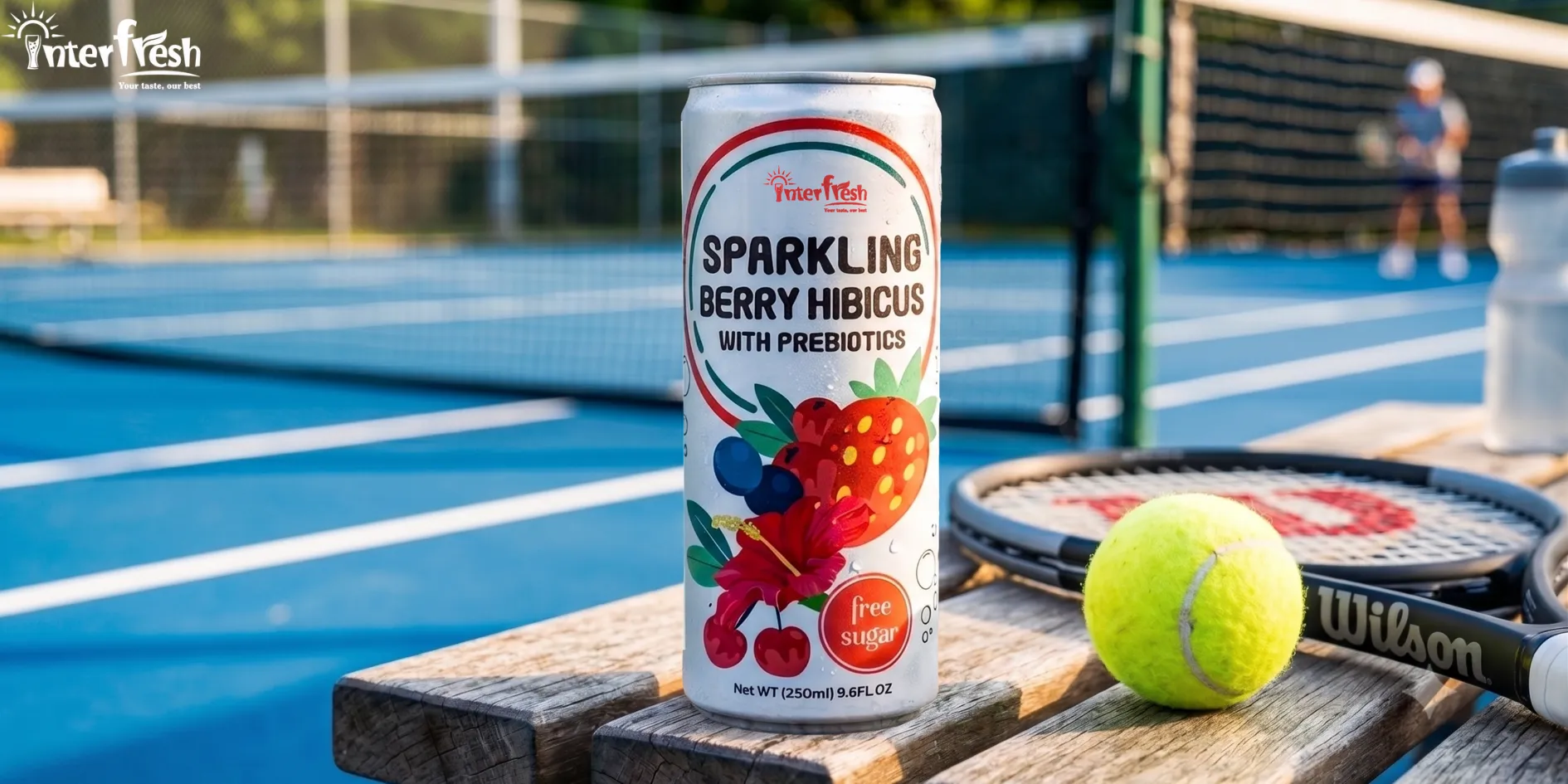
Top healthy drink trends in the US market have moved well beyond the traditional health food aisle. The same core ingredients are now appearing in creative new formats across different retail sections.
Sparkling Functional Drinks Sparkling versions of coconut water and aloe vera are gaining popularity in the premium soda and ready-to-drink mixer categories. They offer refreshing carbonation with natural health benefits, appealing to consumers who want an upgrade from traditional sparkling water.
Protein-Enhanced Hydration Coconut water and aloe vera bases are being combined with added protein for post-workout and daily nutrition drinks. These hybrids appear in both the sports nutrition aisle and mainstream grocery, attracting fitness-focused consumers.
Energy-Hydration Crossovers Natural caffeine from green tea or guarana is blended with coconut water and tropical juices to create gentler, sustained energy drinks. This format sits comfortably between traditional energy drinks and functional hydration beverages.
Ready-to-Drink Wellness Shots & Concentrates Small-format shots and concentrated versions of aloe vera and tropical blends are expanding into the supplement and wellness section, offering convenient daily doses of functional ingredients.
Premium Retail & Foodservice These drinks are also appearing in upscale cafes, meal-prep services, and corporate wellness programs — expanding their reach far beyond traditional retail shelves.
This cross-category expansion creates new placement opportunities and helps distributors maximize volume from the same trending ingredients.
Bridge to next step: Seeing how these trends appear in different formats opens up more possibilities for your product lineup. → Explore OEM and Private Label solutions to bring these formats to market
What This Means for Distributors, Wholesalers, and Private Label Brand Owners
Translating these trends into a sourcing strategy comes down to three practical priorities.
- First, breadth matters. Retail buyers are rewarding suppliers who can offer a coconut water, an aloe vera drink, and at least two or three tropical fruit juice flavors under one purchase order, since consolidating vendors simplifies their own logistics and lowers their per unit freight cost.
- Second, flexibility on minimum order quantity reduces risk for brand owners testing new SKUs ahead of a season they cannot fully predict. A manufacturer willing to support smaller initial runs while planning for volume growth is a better partner over time than one that requires full container commitments from day one.
- Third, documentation speed wins deals. Buyers who can produce an FDA registration number, certificates of analysis, and a nutrition panel within days, rather than weeks, are consistently the ones who close private label and wholesale contracts before the summer ordering window closes.
Top healthy drink trends US market in 2026 reflect real changes in how Americans think about daily hydration and wellness. From gut health and blood sugar management to exciting flavors and clean ingredients, these shifts are creating lasting demand.
Distributors, bulk wholesalers, and private label brand owners who recognize these trends early and bring the right products to market will have a significant advantage this summer and beyond.
Ready to align your portfolio with these trends? Request samples or explore partnership opportunities with a manufacturer experienced in these categories.
FAQs
Q: Which healthy drink trends are growing fastest in the US right now? Natural hydration (especially coconut water), aloe vera drinks, low-sugar formulations, and gut-health beverages are leading growth in 2026.
Q: Why is coconut water still so popular? It delivers natural electrolytes and hydration with a clean taste. Flavored versions are expanding its appeal to mainstream consumers.
Q: Are low-sugar drinks truly outperforming full-sugar versions? Yes. Low-sugar and sugar-free options are consistently outselling traditional versions in the functional beverage category.
Q: What makes aloe vera drinks attractive to American consumers? Better-tasting formulas combined with gut health benefits have helped move aloe vera into mainstream retail.
Q: How important is clean labels for these trends? Extremely important. Transparency and minimal ingredients have become baseline expectations for health-conscious buyers.
References
-
Grand View Research – Functional Drinks Market Size, Share and Trends Report, 2026–2033. View Report
-
Fortune Business Insights – Coconut Water Market Size and Industry Report, 2026–2034. View Report
-
Grand View Research – US Coconut Water Market Outlook, 2026–2033.
-
Mordor Intelligence – Aloe Vera Based Drinks Market Overview and Forecast, 2026–2031.
-
US Food and Drug Administration (FDA) – Final Rule on Foreign Supplier Verification Programs (FSVP). Read FDA Guidance
-
Office of the United States Trade Representative (USTR) – US-Vietnam Trade Framework, October 2025. View USTR Fact Sheet