
Introduction
Black tea is one of the most widely consumed beverages in the world, appreciated for its bold flavor, energizing properties, and rich antioxidant content. From traditional English breakfast tea to modern ready-to-drink tea beverages, black tea remains a daily ritual for millions of consumers worldwide.
Many people enjoy black tea first thing in the morning to increase alertness and start the day with energy. However, drinking black tea on an empty stomach may not always be beneficial. While black tea contains valuable compounds such as flavonoids, polyphenols, and caffeine, consuming it without food can trigger digestive discomfort, interfere with nutrient absorption, and negatively affect sensitive individuals.
This article explores the science-backed reasons why drinking black tea on an empty stomach may not be ideal, including its effects on digestion, iron absorption, blood pressure, anxiety, sleep quality, and medication interactions. We will also discuss healthier ways to enjoy black tea safely while still benefiting from its nutritional advantages.

1. Black Tea Can Irritate the Stomach When Consumed on an Empty Stomach
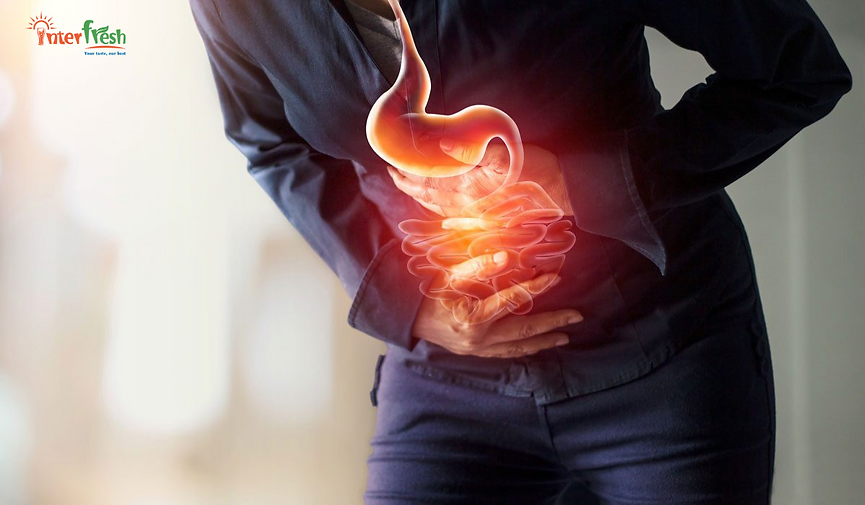
One of the most common side effects of drinking black tea without eating first is stomach irritation. Black tea naturally contains caffeine and tannins, both of which can stimulate gastric acid production. When there is no food in the stomach to buffer the acid, the stomach lining may become irritated.
This irritation can lead to symptoms such as:
- Nausea
- Acid reflux
- Bloating
- Stomach cramps
- Heartburn
- Digestive discomfort
People with gastritis, acid reflux disease (GERD), or sensitive digestive systems are particularly vulnerable. Drinking strong black tea in a fasting state may worsen existing gastrointestinal conditions.
In addition, tannins in black tea can create a bitter sensation and trigger nausea in some individuals, especially when the tea is highly concentrated or brewed for too long.
To reduce these effects, experts generally recommend drinking black tea after breakfast or alongside light foods such as toast, oatmeal, nuts, or fruit.
2. Black Tea May Reduce Iron Absorption
Another major concern associated with drinking black tea on an empty stomach is its impact on iron absorption. Black tea contains tannins and polyphenols that can bind to non-heme iron, the form of iron commonly found in plant-based foods.
When tannins bind to iron, the body absorbs less of this essential mineral. Over time, excessive tea consumption around meal times may contribute to iron deficiency, particularly in:
- Vegetarians and vegans
- Women with heavy menstrual cycles
- Pregnant women
- Individuals with anemia
- People with low-iron diets
Research published in the American Journal of Clinical Nutrition found that tea consumption during meals could significantly reduce iron absorption. Drinking black tea before breakfast may therefore decrease the body’s ability to absorb iron from the first meal of the day.
To minimize this issue:
- Wait at least 30–60 minutes after meals before drinking black tea
- Consume vitamin C-rich foods to improve iron absorption
- Avoid pairing tea directly with iron supplements

3. Black Tea Can Cause Temporary Blood Pressure Spikes
Caffeine is a natural stimulant that temporarily activates the nervous system and increases alertness. While moderate caffeine intake is considered safe for most healthy adults, consuming black tea on an empty stomach may intensify its physiological effects.
Without food slowing caffeine absorption, caffeine enters the bloodstream more rapidly. This can lead to:
- Temporary increases in blood pressure
- Elevated heart rate
- Palpitations
- Increased stress hormone release
Individuals with hypertension, cardiovascular conditions, or caffeine sensitivity may experience stronger reactions when consuming black tea in a fasting state.
According to cardiovascular health experts, excessive caffeine intake may contribute to temporary hypertension episodes, particularly when combined with stress, dehydration, or lack of food.
Although occasional tea consumption is generally safe, people with heart-related conditions should monitor their caffeine intake carefully and avoid consuming strong black tea on an empty stomach.

4. Drinking Black Tea on an Empty Stomach May Increase Anxiety and Jitters
Many tea drinkers consume black tea for mental alertness and improved focus. However, when consumed without food, caffeine absorption becomes faster and more concentrated, potentially leading to overstimulation.
Common symptoms include:
- Jitteriness
- Restlessness
- Anxiety
- Rapid heartbeat
- Difficulty concentrating
- Shakiness
Caffeine stimulates the release of stress hormones such as cortisol and adrenaline. For individuals prone to anxiety disorders or caffeine sensitivity, black tea on an empty stomach may intensify nervousness and emotional stress.
The risk is often higher when:
- Tea is consumed immediately after waking up
- The tea is highly concentrated
- The individual is dehydrated
- Multiple caffeinated beverages are consumed throughout the day
If you notice symptoms of overstimulation after drinking tea, switching to a lighter brew, reducing caffeine intake, or drinking tea after meals may help.

5. Black Tea May Disrupt Sleep Quality
Black tea contains moderate levels of caffeine, typically ranging between 40–70 mg per cup depending on brewing strength. Although lower than coffee, caffeine can still remain active in the body for several hours.
Drinking black tea on an empty stomach later in the afternoon or evening may amplify caffeine’s stimulating effects and negatively affect sleep patterns.
Possible sleep-related effects include:
- Difficulty falling asleep
- Reduced sleep duration
- Lighter sleep quality
- Nighttime restlessness
- Morning fatigue
Studies have shown that caffeine consumption within several hours of bedtime can interfere with melatonin production and circadian rhythms.
To support better sleep hygiene:
- Avoid black tea late in the evening
- Limit total daily caffeine intake
- Choose decaffeinated tea options at night
- Drink tea with meals instead of on an empty stomach

6. Black Tea May Interfere with Certain Medications
Black tea may also interact with some medications due to its caffeine and tannin content. Drinking tea on an empty stomach can sometimes increase or reduce the absorption of certain drugs.
Potential medication interactions may involve:
- Blood pressure medications
- Blood thinners
- Iron supplements
- Diabetes medications
- Stimulants
- Antidepressants
Caffeine may enhance the side effects of stimulant medications, while tannins may interfere with nutrient-based supplements such as iron.
Individuals taking prescription medications should consult healthcare professionals regarding the appropriate timing of tea consumption to avoid unwanted interactions.

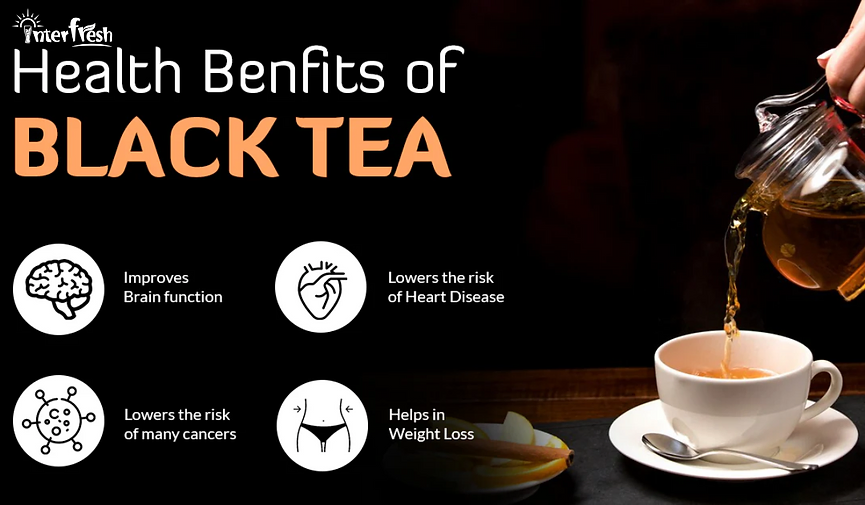
7. Black Tea Still Offers Numerous Health Benefits
Despite the concerns associated with drinking black tea on an empty stomach, black tea itself remains a highly beneficial beverage when consumed appropriately.
Black tea contains powerful antioxidants called polyphenols and flavonoids, which may help:
- Support cardiovascular health
- Reduce oxidative stress
- Improve mental alertness
- Strengthen immune function
- Support metabolic health
- Promote healthy aging
Research suggests that moderate black tea consumption may support healthy cholesterol levels and improve blood vessel function.
In addition, black tea provides L-theanine, an amino acid that may promote calm focus and balanced energy when combined with caffeine.
The key is not avoiding black tea entirely, but consuming it responsibly and at appropriate times.
8. Best Practices for Drinking Black Tea Safely
To enjoy black tea while minimizing potential side effects, consider these practical recommendations:
Drink Black Tea After Meals
Consuming tea after eating helps reduce stomach irritation and improves digestive comfort.
Choose Moderate Brewing Strength
Highly concentrated tea contains more caffeine and tannins. A lighter brew may be gentler on the stomach.
Stay Hydrated
Drinking water alongside caffeinated beverages may help reduce dehydration and headaches.
Monitor Your Caffeine Intake
Keep track of caffeine from coffee, energy drinks, tea, and soft drinks throughout the day.
Consider Decaffeinated or Herbal Alternatives
If you are sensitive to caffeine, herbal teas or decaffeinated black tea may provide a gentler option.
Pair Tea with Nutritious Foods
Healthy breakfast options such as whole grains, eggs, yogurt, fruits, or nuts can buffer caffeine’s effects and improve nutrient balance.
Frequently Asked Questions About Drinking Black Tea on an Empty Stomach
Is it bad to drink black tea first thing in the morning?
For some individuals, yes. Drinking black tea before eating may irritate the stomach and increase caffeine sensitivity.
Can black tea cause nausea?
Yes. Tannins and caffeine may trigger nausea, especially when tea is consumed on an empty stomach.
Does black tea affect digestion?
Black tea may stimulate stomach acid production and interfere with iron absorption if consumed excessively or without food.
Should I stop drinking black tea completely?
No. Black tea can be part of a healthy diet when consumed in moderation and at appropriate times.
What is the best time to drink black tea?
Most people tolerate black tea best after meals or during mid-morning and early afternoon hours.
Conclusion
Black tea remains one of the world’s most popular and beneficial beverages, offering antioxidants, mental alertness, and cardiovascular support. However, drinking black tea on an empty stomach may lead to digestive discomfort, reduced iron absorption, blood pressure spikes, anxiety, sleep disturbances, and medication interactions in sensitive individuals.
Rather than eliminating black tea entirely, consumers should focus on healthier drinking habits. Enjoying black tea after meals, moderating caffeine intake, and understanding personal sensitivity levels can help maximize the beverage’s benefits while minimizing potential side effects.
Whether enjoyed hot, iced, traditional, or ready-to-drink, black tea can still be a valuable part of a balanced lifestyle when consumed mindfully and responsibly.