
Low sugar fruit juices is a term gaining traction across the US and European markets. It’s not just older consumers watching their blood sugar —Juices with under 8–10g of sugar per serving affect blood sugar much less than regular juice.
That is why they are a better choice for anyone watching their sugar intake. Gen Z and Gen Alpha are increasingly choosing low sugar fruit drink options that balance flavor with health.
The global low-sugar beverage market is set to grow from $20.8 billion in 2025 to $33.8 billion by 2032 (Stratistics MRC), and fruit juice sits right at the center of that shift. The World Health Organization recommends keeping free sugar under 10% of daily energy — ideally under 5%.
If you want juice with less sugar, or the least sugar you can find, many lists include juices that are not low-sugar. This one ranks 9 real low-sugar options by their actual numbers, plus 2 popular fruit juices that get wrongly labeled “healthy.”
Natural Sugar vs. Added Sugar: What the Label Doesn’t Say
Natural sugars occur inherently in whole foods, whereas added sugars are mixed into foods during processing or preparation.
A “100% juice” or “no sugar added” label only means nothing extra was mixed in — it says nothing about how much sugar the fruit itself naturally holds. Prune juice has zero added sugar and still packs 42g of natural sugar per cup, more than a can of soda. Every number below is total sugar, since that’s what actually affects your body.
9 Low Sugar Fruit Juices, Ranked by Sugar Content
Serving sizes below follow standard USDA measurements, so you’re comparing like for like.
Comparison unit: a cup of 8oz / 250ml.
1. Lemon & Lime Juice
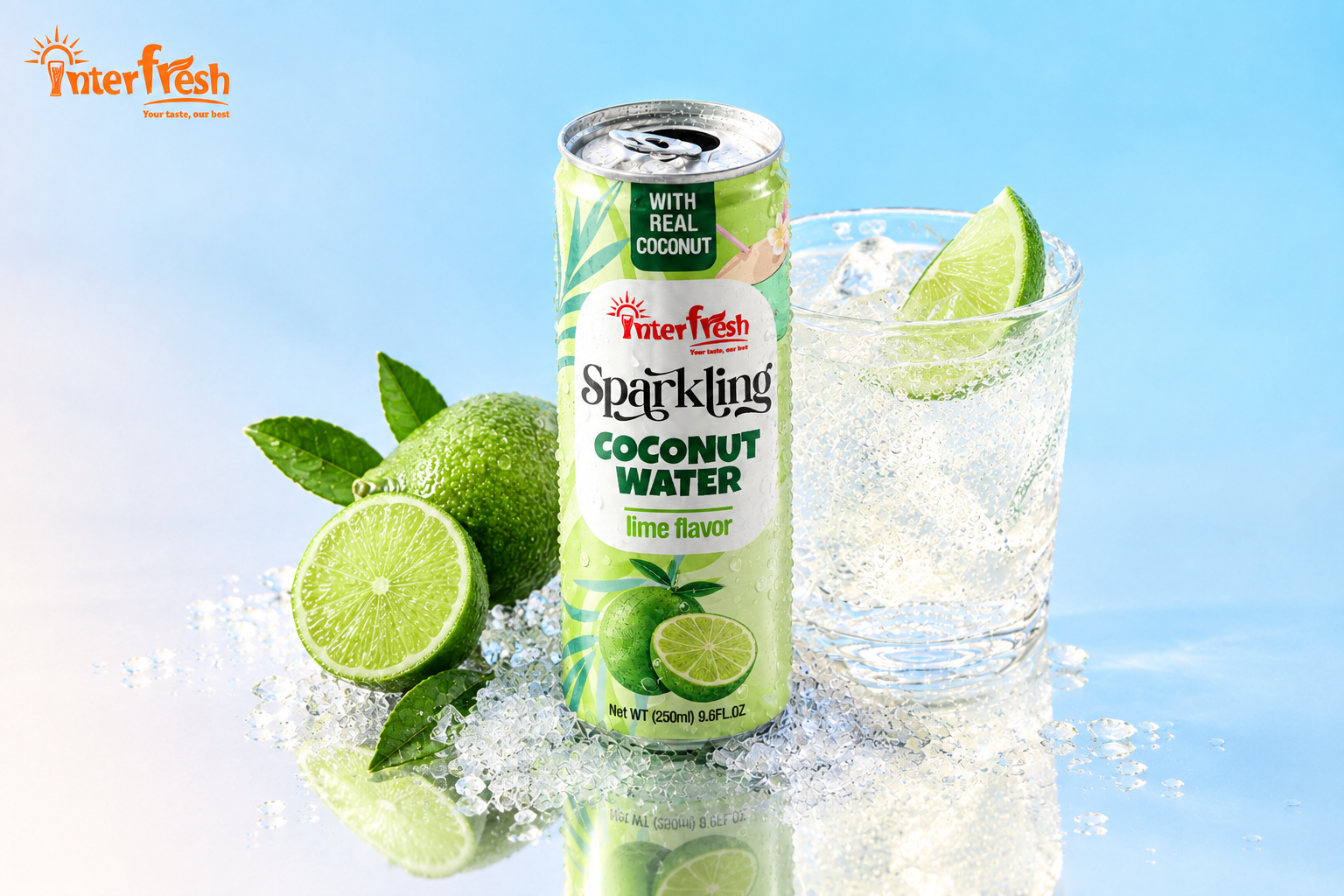
The lowest-sugar juice on this list by a wide margin. One raw lemon (85g) contains just 2.1g of natural sugar, which is why it’s almost always used to flavor water or other drinks rather than drunk straight.
- Sugar: lime 1.1g, lemon 2.1g per fruitOne raw lemon (85g) has only 2.1g of natural sugar. That is why it is used to flavor water or other drinks. Most people do not drink it straight.
- Lowest sugar of any fruit juice, by a wide margin
- Best for: squeezing into still or sparkling water, not sipping neat
- Rich in: vitamin C and citric acid
- Note: high acidity can erode enamel. Dilute it and rinse afterward
2. Tomato Juice
Tomato juice ranks near the top of this low sugar juice list at about 6.3g of sugar per cup. The surprising part: it’s botanically a fruit, but sold as a vegetable juice, and lower in sugar than most “green juices.”
- Vitamin C: about 189% of the Daily Value in a cup — one of the highest of any common juice
- Vitamin A: about 36% of the Daily Value, good for eyes and skin
- Vitamin K: about 5% of the Daily Value, supporting blood clotting and bone health
- Potassium: about 11% of the Daily Value, helping maintain stable blood pressure and fluid balance
3. Cucumber Juice
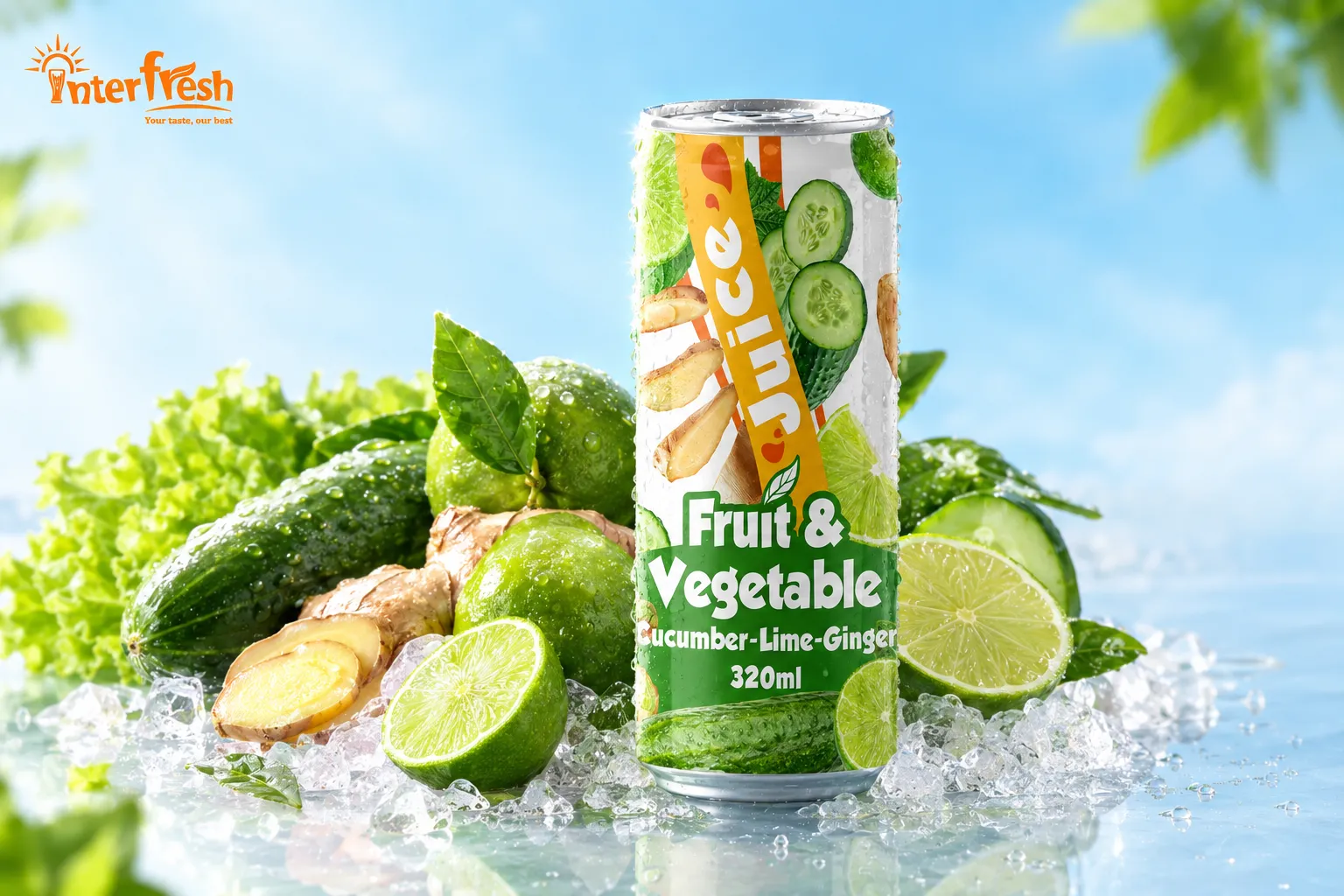
Nearly 95% of a cucumber is water, so pressing it into juice barely moves the needle on sugar — you’re left with a drink that’s almost entirely hydration.
Silica, a mineral tied to skin and connective tissue health, is one of the few things cucumber juice brings besides water and a trace of vitamin K. It won’t replace a nutrient-dense juice like tomato or grapefruit, but it earns its spot as the lightest option on this list.
Blend it with lemon, lime, or a few mint leaves. The flavor barely changes the sugar count, and you end up with one of the most refreshing low sugar juice drink options around
4. Cranberry, Raspberry & Strawberry Juice
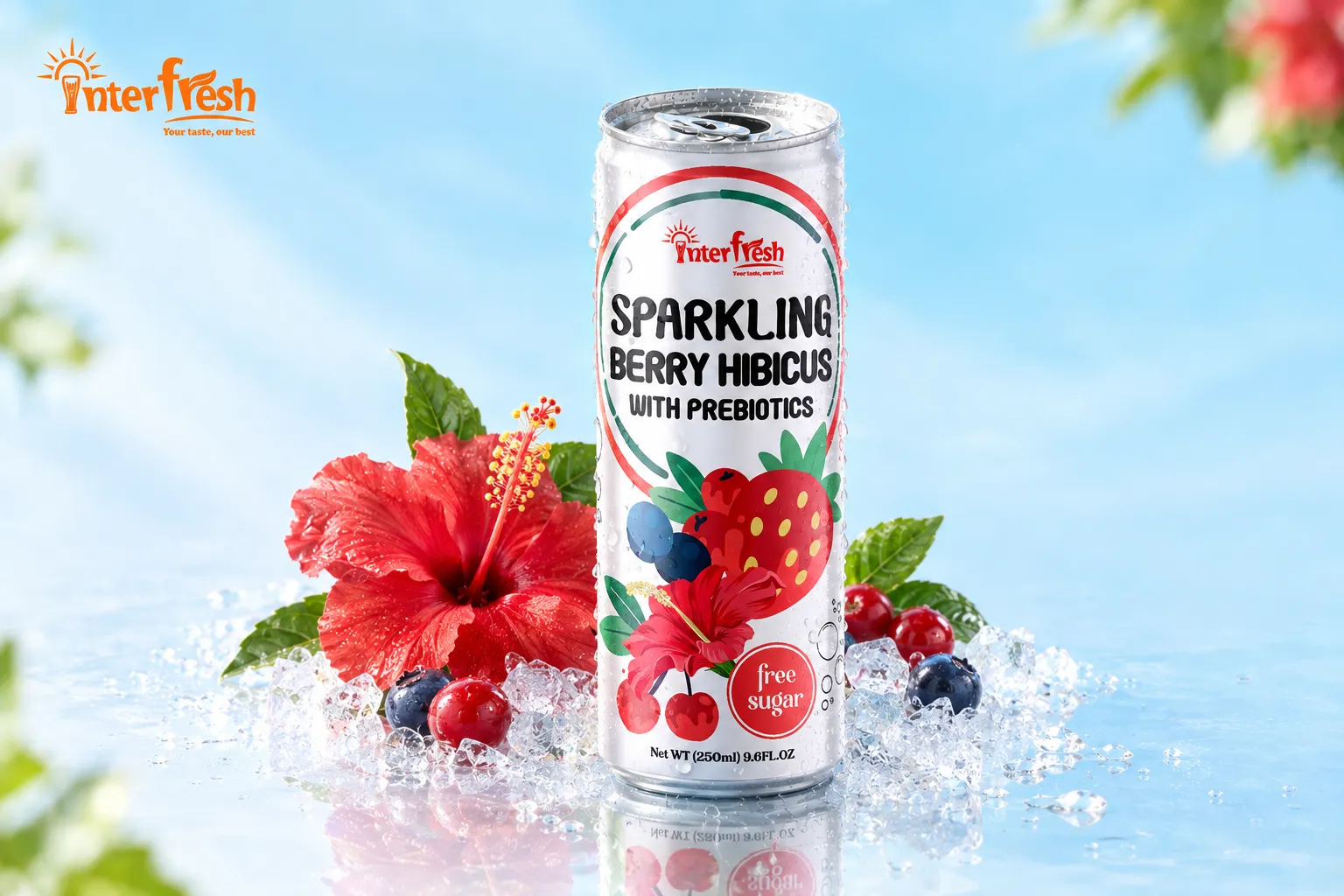
Dark berries are consistently among the lowest-sugar fruit juices while delivering some of the highest antioxidant (anthocyanin) content of any fruit.
- Sugar (whole fruit, per 100g): cranberry 4g, raspberry 5.1g, strawberry ~3.2g
- Healthy pairing: mix cranberry, raspberry, or strawberry juice with sparkling water or cold-brew tea. A refreshing, no-sugar-needed way to stay hydrated and keep your weight in check
- Rich in: anthocyanins and ellagic acid, both polyphenols. Cranberry also brings proanthocyanidins, the compound linked to urinary tract health
- Catch: these numbers are for whole, fresh fruit. Bottled cranberry juice cocktail is a different product. It is often sweetened, with 30–60 g of sugar per cup. Always check Total Sugars before you buy.
- Best for: blending or pressing whole berries at home, so the fiber and the true low-sugar profile stay intact
5. Grapefruit / Pomelo
Grapefruit is a low sugar fruit juice worth highlighting on this list.
Half a grapefruit (~125g) contains about 8–9g of natural sugar, more than half of it sucrose, with the rest split between glucose and fructose. Thanks to its high water content and mild sweetness, a cup of grapefruit juice easily delivers the sugar your body needs while still being refreshing.
The 1.4–2g of fiber in half a grapefruit also slows down how fast sugar is absorbed into the bloodstream.
Rich in vitamins: provides plenty of vitamin C and antioxidants that benefit heart health.
6. Watermelon Juice
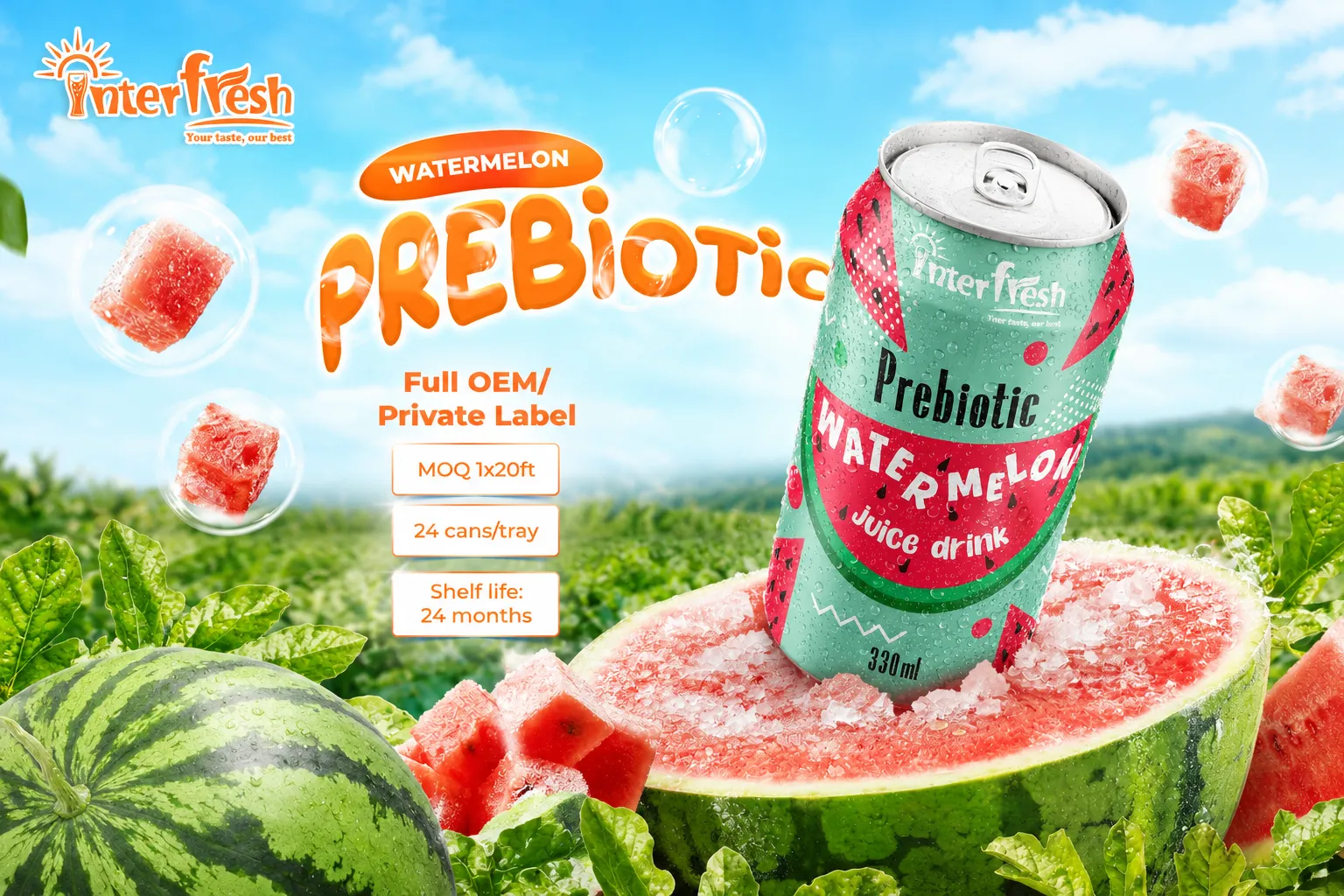
Watermelon’s very high water content (about 92%) dilutes its natural sugar, so despite tasting sweet, a cup contains under 10g of sugar. The sugars are simple sugars like fructose, glucose, and sucrose.
If you want something refreshing while still keeping sugar in check, a cup of watermelon juice is a lighter, more refreshing choice than grape or strawberry juice.
A great tip if you’re watching your sugar intake closely but still want to enjoy this low sugar fruit drink: pair watermelon with a source of protein or healthy fat (like nuts, cheese, or Greek yogurt) to further slow down sugar absorption.
7. Orange Juice
One of the higher entries on this low sugar fruit juice list, but still moderate compared to tropical juices. A cup of orange juice contains about 21g of natural sugar, of which water makes up as much as 88%.
- A full day’s vitamin C in one cup, plus folate and potassium. Fortified versions add calcium and vitamin D
- The smart way to enjoy it: a 4 oz glass alongside breakfast, or a reduced-sugar formulation at 10–15g per cup, gives you nutrients without the full sugar load
2 Mistaken, Not the Lowest, But Still a Smart Pour
An 8 oz serving of cola contains roughly 26g of sugar. Every juice below beats it.
There is a second catch. The WHO’s definition of “free sugars” includes sugars naturally present in fruit juice. “Natural” does not exempt a juice from the limit.
8. Apple Juice
Apple juice is 88% water, which is part of why it feels light rather than syrupy, even though the sugar count says otherwise.
- Sugar: about 23.9g per cup, similar to a small soda
- Why it’s mistaken for low sugar: its high water content and thin texture make it feel watered-down, and its reputation as the classic “gentle” drink for kids reinforces that image
- What it brings: rich in polyphenols that help protect cells from oxidative stress and support heart health by limiting LDL oxidation. Some research also links its antioxidants to better memory and a lower risk of cognitive decline
- Smart pick: dilute 1:1 with water — the same method pediatricians recommend for mild dehydration in children — to cut the sugar while keeping the hydration benefit
Apple juice isn’t a low sugar fruit juice by the numbers, but in moderate, diluted portions, it still earns its place in a balanced routine.
For a ready-diluted alternative, Interfresh also produces a 250ml apple sparkling water — apple flavor with the fizz of sparkling water and none of the full-juice sugar load.
9. Pomegranate Juice
- Sugar: about 31g per cup, again with no added sugar
- Why it gets mistaken for low sugar: its “superfood” reputation is well earned, and that reputation often overshadows the sugar count
- What it brings: punicalagins, a polyphenol shown to have some of the highest antioxidant activity of any common juice
- Smart way to enjoy it: a 2 oz pour with sparkling water keeps sugar to around 8g while carrying most of the antioxidant benefit
Quick Comparison Table
The table below shows exactly how each low sugar fruit juice compares by total sugar.
| Juice | Serving Size | Total Sugar (g) |
| Lime | 1 fruit (67g) | 1.1 |
| Lemon | 1 fruit (85g) | 2.1 |
| Cranberry (fresh, whole fruit) | 100g | 4 |
| Raspberry (whole fruit) | 100g | 5.1 |
| Strawberry (whole fruit) | 100g | ~3.2 |
| Tomato | 1 cup | 6.3 |
| Watermelon | 1 cup | 9.6 |
| Cranberry (light, bottled) | 1 cup | 5–10 |
| Orange (reduced-sugar) | 1 cup | 10–15 |
| Grapefruit | 1 cup | 19–23 |
| Orange (regular) | 1 cup | 21 |
| Apple | 1 cup | 23.9 |
| Cranberry cocktail (sweetened) | 1 cup | 30–60 |
| Grape | 1 cup | 24–36 |
| Pomegranate | 1 cup | ~31 |
Tips for Choosing a Low Sugar Fruit Juice
Looking for juice with less sugar? Start with these five checks:
- Read Total Sugars, not the front label. “100% juice” only tells you nothing was added — the Total Sugars line tells you the actual amount.
- Scan the ingredients. They’re listed by weight, so sugar, cane syrup, or concentrate near the top of the list is a red flag
- Cut it with water. A tart or concentrated juice loses roughly half its sugar per sip once diluted
- Stick to 4–8 oz a day. Juicing strips out the fiber, so without it, sugar reaches your bloodstream faster than it would from whole fruit
- Choose pulpier over clarified. The leftover fiber slows sugar absorption a little more than a fully clear juice would
How Manufacturers Actually Build a Low Sugar Juice Formula
- Brix control: targeting a specific °Brix (often under 8–9) starting from raw material selection, not just diluting the final product.
- Blend ratio engineering: pairing low-Brix fruit with a small share of high-flavor fruit to keep taste without added sugar.
- NFC (Not From Concentrate): skips the flavor-pack or syrup typically added back into reconstituted concentrate.
- Aroma recovery: reclaims flavor compounds lost in concentration instead of compensating with sweeteners.
- Batch-level testing: since Brix varies by harvest, each batch is tested and adjusted to stay within the declared low-sugar range.
FAQs
What’s the lowest sugar fruit juice?
Lime and lemon are the lowest-sugar fruit juices, at roughly 1–2g per fruit.
Is 100% juice always low sugar?
No — grape, pomegranate, and apple are all sold as 100% or “no sugar added” juice, yet high in natural or total sugar.
Can low sugar juice help manage blood sugar levels?
Juices under 8–10g of sugar per serving have a much smaller effect on blood sugar levels than regular, higher-sugar juice, which is why they’re a better fit for anyone monitoring their intake.
How much low sugar juice is safe per day?
About 4–8 oz (120–240ml) for most healthy adults, alongside — not instead of — whole fruit.
Which is better for you, orange juice or tomato juice?
Tomato juice is generally better for you if you want to reduce sugar, carbs, and calories, while orange juice is better if you need a quick boost in vitamin C and energy.
References
- World Health Organization. Guideline: Sugars intake for adults and children. 2015. https://www.who.int/publications/i/item/9789241549028
- World Health Organization. e-Library of Evidence for Nutrition Actions (eLENA): Sugar-sweetened beverages taxes and childhood obesity. https://www.who.int/tools/elena/interventions/ssbs-childhood-obesity
- American Heart Association. Added Sugars. https://www.heart.org/en/healthy-living/healthy-eating/eat-smart/sugar/added-sugars
- U.S. Food and Drug Administration. Added Sugars on the New Nutrition Facts Label. https://www.fda.gov/food/nutrition-facts-label/added-sugars-new-nutrition-facts-label
- U.S. Department of Agriculture. FoodData Central. https://fdc.nal.usda.gov/
- Ng SW, Slining MM, Popkin BM. Use of caloric and non-caloric sweeteners in US consumer packaged foods, 2005–2009. Journal of the Academy of Nutrition and Dietetics. 2012;112(11):1828–1834. https://pmc.ncbi.nlm.nih.gov/articles/PMC3490437