
Reducing sugar is becoming an important consideration in fruit beverage development. For beverage brands, the challenge is to lower sugar intake from products where appropriate while maintaining fruit flavor, mouthfeel, stability, and labeling compliance.
Developing fruit juice with less sugar is not simply about removing sweetness. Manufacturers must also consider naturally occurring sugars, added sugars, serving size, and the intended product category. A formulation strategy that works for a fruit juice drink may not suit 100 percent fruit juice.
Depending on the product concept, manufacturers can adjust the juice-to-water ratio, use sweeteners and flavor systems, or evaluate processing technologies that reduce sugars directly in juice. This guide explains these approaches and the key considerations for developing fruit juice with less sugar for the US market.
No Added Sugar vs. Reduced Sugar: What Is the Difference?
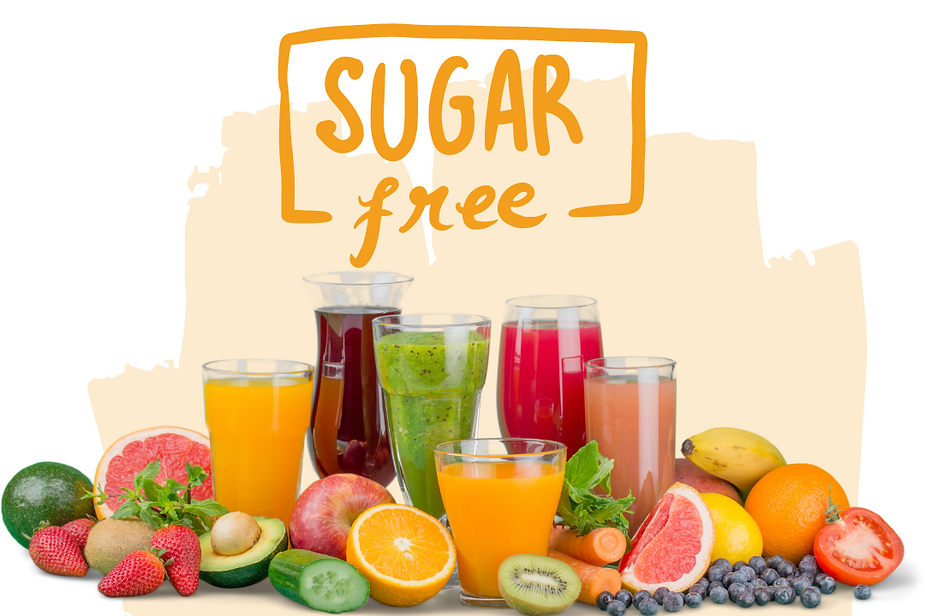
Before developing fruit juice with less sugar, it is important to understand the difference between No Added Sugar and Reduced Sugar.
No Added Sugar does not mean Sugar Free. Fruit naturally contains sugar, so a product made with fruit juice may still contain natural sugar even when no sugar is added.
The distinction between natural sugar and added sugars is particularly important when developing a product for the US market. A beverage may contain naturally occurring sugars from fruit ingredients without having sugar added separately. However, the final claim depends on the full formulation, processing conditions, and applicable FDA rules.
A Reduced Sugar claim follows a different approach. The finished product generally needs at least 25% less sugar than a suitable reference food. The comparison should be based on appropriate nutritional data, not simply on a lower Brix reading.
For beverage brands planning fruit juice with less sugar, the intended claim should be considered early in product development. This helps guide ingredient selection, formulation trials, serving size decisions, and packaging design.
Three Formulation Methods for Fruit Juice with Less Sugar
There is no single method that works for every beverage. The best option depends on juice content, target sweetness, ingredient restrictions, product positioning, and production feasibility.
Method 1: Adjust the Juice-to-Water Ratio
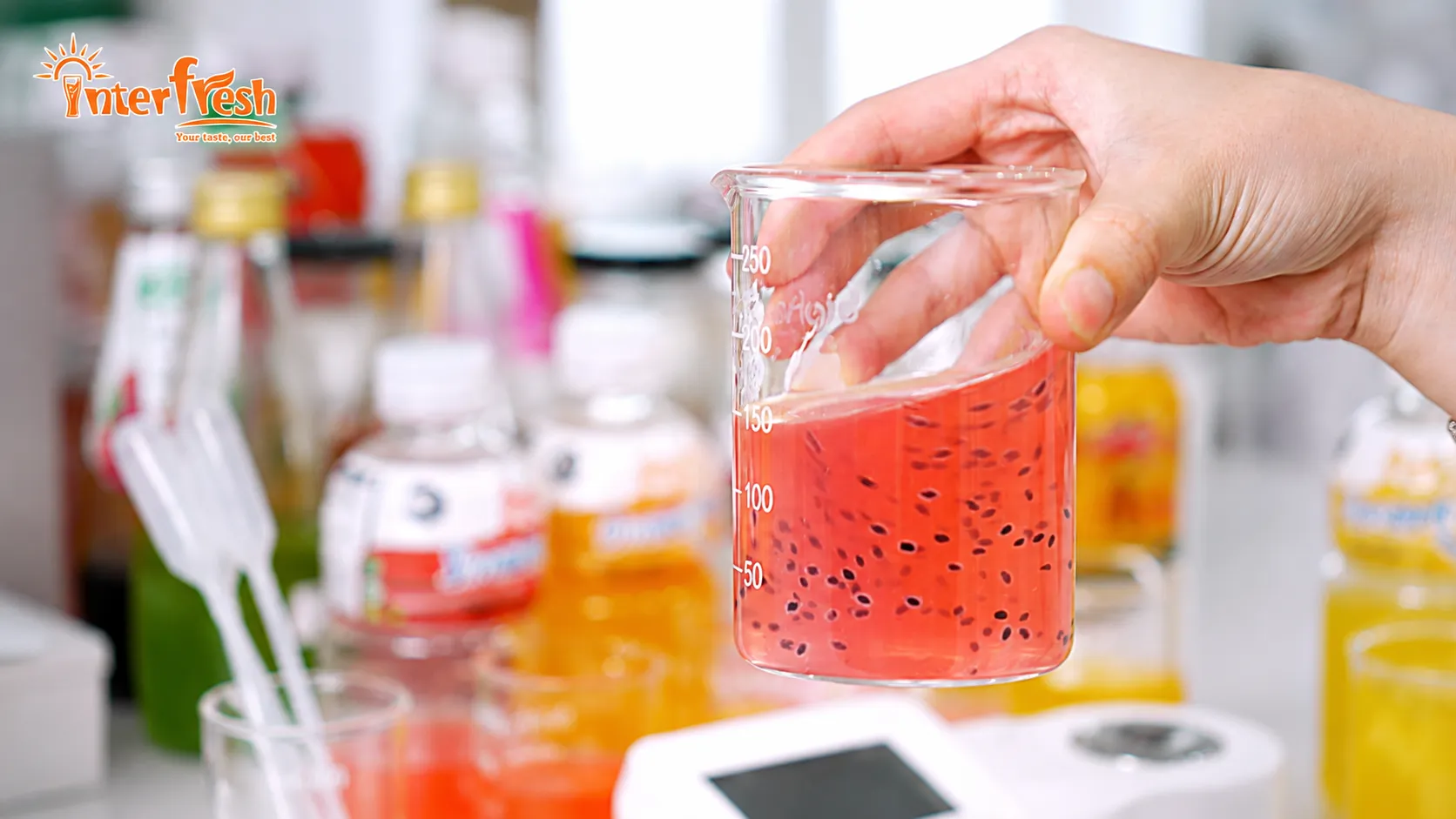
Adjusting the ratio of juice to water is a practical starting point for fruit juice drinks and other flexible beverage formulations.
When the formula contains less juice or concentrate, the amount of naturally occurring sugar per serving may decrease. However, the beverage may also have a lighter fruit flavor and thinner mouthfeel.
When to consider this method
- Developing fruit juice drinks with a flexible juice percentage.
- Reducing sugar per serving while managing formulation costs.
- Creating a lighter flavor profile for a specific consumer segment.
- Testing an initial formulation before considering more complex technologies.
Advantages
- Relatively straightforward to test during formulation development.
- Does not necessarily require specialized sugar-removal technology.
- Can reduce total sugar per serving when the juice contribution decreases.
Limitations
- Lower juice content may weaken the characteristic fruit flavor.
- The beverage may feel thinner or less rounded.
- Dilution reduces the concentration of juice and its sugars; it does not remove sugar from the juice itself.
- Product standards and labeling requirements still need to be reviewed.
This method may suit a fruit juice drink, but it is not automatically appropriate for 100 percent fruit juice. The product category and applicable requirements should be checked before changing the juice ratio.
For example, a formulation based on orange juice may need a different development approach from a fruit juice drink containing added water. The desired fruit character, juice content, and target sugar level all influence the final formula.
Method 2: Use Sweeteners and Flavor Systems
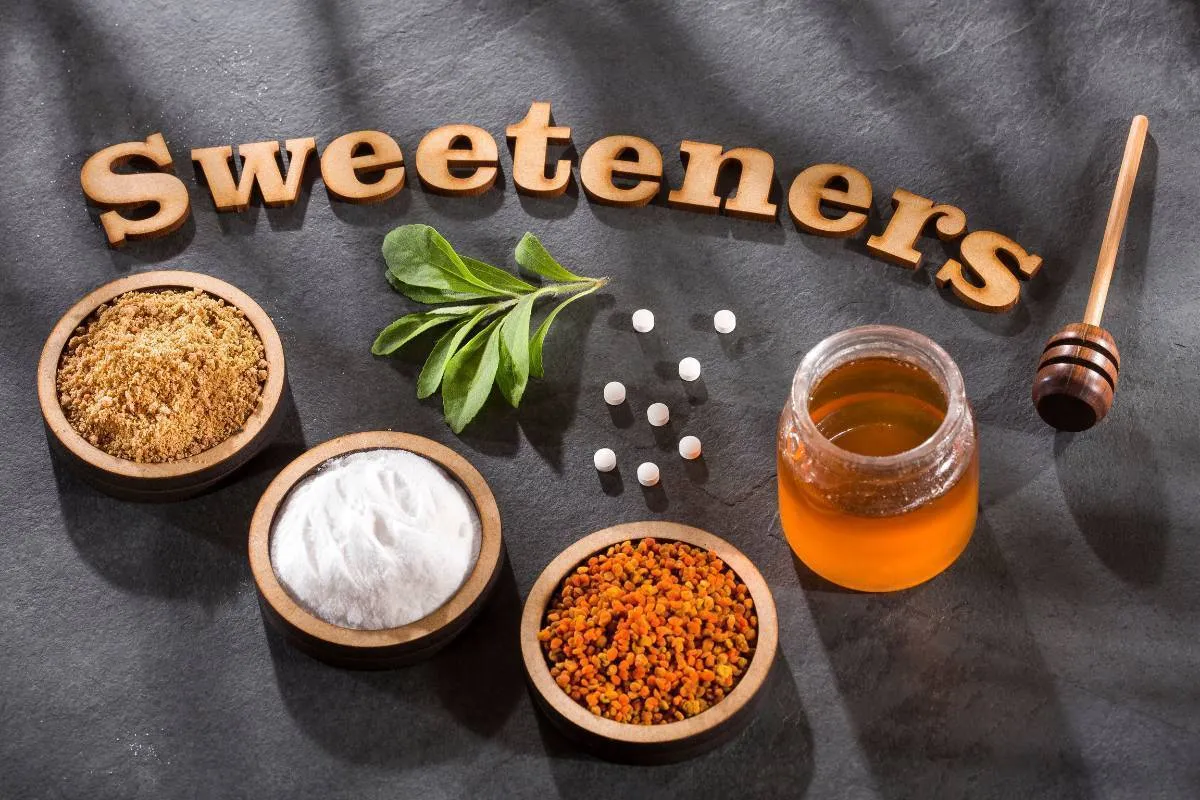
Reducing the juice content can make a beverage less sweet, more acidic, or less recognizable in flavor. Sweeteners and flavor systems may help compensate for some of these changes.
For fruit juice with less sugar, the goal is not simply to restore sweetness. The formulation should maintain a balanced relationship between sweetness, acidity, fruit character, and mouthfeel.
When to consider this method
- The revised juice ratio makes the beverage taste too bland or sour.
- The product needs to retain a sweetness level close to the original formulation.
- The project targets a Reduced Sugar positioning.
- Ingredient and label requirements allow the proposed sweetening system.
Advantages
- Provides flexibility when adjusting sweetness.
- Can help maintain a familiar taste profile.
- Allows developers to test different sugar-reduction options and combinations of sweeteners, fruit flavors, and acidity adjustments.
Limitations
- Some sweeteners may introduce an aftertaste.
- Sweetness alone does not replace the body and mouthfeel contributed by juice and sugar.
- Ingredient permissions, labeling rules, and market requirements must be checked.
- Multiple formulation trials may be necessary to achieve a balanced result.
The appropriate sweetener and flavor system depends on the product and target market. Sensory evaluation is important because a formula that meets a numerical sugar target may not deliver the expected consumer experience.
Method 3: Use Processing Technologies to Reduce Sugar in Juice
Some projects aim to reduce naturally occurring sugars in the juice itself rather than mainly changing the juice ratio or replacing sweetness.
Depending on the fruit and available technology, approaches such as controlled fermentation or selective separation may be evaluated. These methods require specialist technical assessment and are not suitable for every formulation.
When to consider this method
- Developing high juice content beverages.
- Reducing naturally occurring sugars rather than relying primarily on dilution.
- Working toward a specialized nutritional or formulation target.
- Limiting the use of added sweeteners, where technically feasible.
Advantages
- May reduce naturally occurring sugars directly.
- Can be considered for products that need to retain a high juice percentage.
- May offer options for specialized product concepts.
Limitations
- Requires suitable technology, technical expertise, and commercial evaluation.
- Processing may affect flavor, color, or other product characteristics.
- Stability and composition need to be reassessed after treatment.
- Equipment access, ingredient availability, and production costs may limit feasibility.
For many projects, this is not the default starting point. Buyers and manufacturers should first confirm the target product, required juice content, and commercial rationale before evaluating specialized processing.
Comparing the Three Methods
| Method | Best suited for | Main trade-off | Initial feasibility |
|---|---|---|---|
| Adjust juice-to-water ratio | Flexible fruit juice drinks | May reduce fruit flavor and body | High for suitable formulations |
| Sweeteners and flavor systems | Products that need to retain sweetness | May introduce aftertaste or require additional balancing | Moderate to high, depending on ingredients |
| Sugar-reduction processing | High juice content or specialized targets | Requires technology, testing, and cost assessment | Depends on technical access and project scope |
For many fruit juice drinks, a practical development sequence is to test the juice ratio first, then optimize sweetness, acidity, and flavor. For high juice content products, processing options may need to be evaluated earlier.
How to Control Brix and Sugar Levels
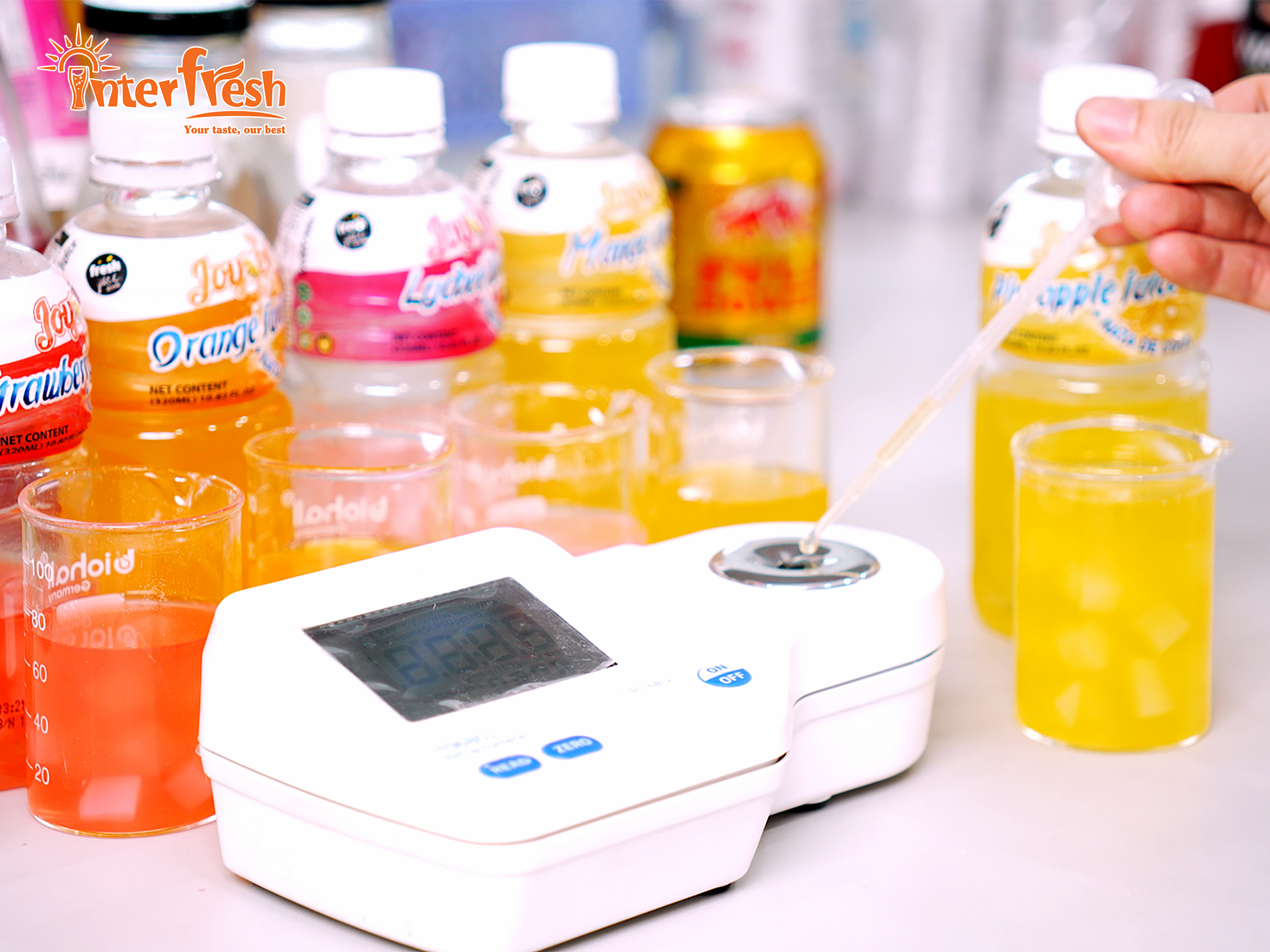
Brix is a useful measurement during beverage formulation, but it should not be treated as a direct measurement of sugar in every fruit juice product.
Brix generally expresses soluble solids as sucrose equivalents. In fruit juice, other soluble compounds can also affect the reading. Therefore, a Brix value alone cannot confirm the product’s total sugar content.
When developing fruit juice with less sugar, use Brix as one formulation control alongside appropriate sugar data and sensory results.
A Practical Testing Process
Step 1: Establish a baseline
Record the original formulation’s Brix, sugar content, acidity, and sensory characteristics. These values provide a reference for evaluating subsequent trials.
Step 2: Test formulation changes
Adjust the juice ratio, sweetener system, or other relevant ingredients according to the product brief. Record each revision so the results can be compared.
Step 3: Verify sugar content
Use suitable analytical data or an appropriate calculation supported by reliable ingredient information. Do not rely on the Brix reading alone to establish a sugar reduction claim.
Step 4: Evaluate product quality
Check sweetness, acidity, fruit flavor, mouthfeel, and stability. A lower sugar value is only one part of the formulation target.
For example, a change from 12° Brix to 10° Brix represents a decrease of approximately 16.7% in the Brix reading. It does not prove that the sugar content has decreased by 16.7%.
Any Reduced Sugar claim needs appropriate substantiation against the relevant reference food and must meet applicable labeling requirements. Sugar values should also be interpreted in the context of the product’s serving size when comparing nutritional information.
How to Maintain Flavor and Mouthfeel
Sugar contributes more than sweetness. It also influences how a beverage feels in the mouth and how its sweetness balances acidity.
When developing fruit juice with less sugar, reducing sugar without adjusting the rest of the formula can produce a drink that tastes thinner, sharper, or less rounded than the original.
Three factors deserve particular attention.
Sweetness
Sweetness affects how consumers perceive fruit flavor. When sugar is reduced, the formulation may need a carefully evaluated sweetener or flavor system, depending on the product concept and ingredient requirements.
Acidity
Fruit acids contribute freshness and brightness, but excessive perceived acidity can make a reduced sugar beverage feel unbalanced. The relationship between sweetness and acidity should be assessed during each trial.
Mouthfeel
A reduction in juice or sugar may affect the beverage’s body. The result can feel lighter or less full, even when the fruit flavor remains recognizable.
Sensory evaluation should compare the revised formulation with the original product or another suitable benchmark. Testing should assess sweetness, acidity, mouthfeel, and overall fruit character rather than focusing on a single attribute.
Stability testing is also important. A formulation that tastes acceptable immediately after production may still require further evaluation under its intended storage conditions.
US Labeling Requirements for Reduced Sugar Fruit Juice
Formulation decisions and label claims should be developed together. A beverage may achieve a lower sugar level but still fail to qualify for the intended claim if the comparison, ingredient conditions, or label presentation does not meet FDA requirements.
The following table summarizes the main distinctions. Specific eligibility should be checked against current regulations and the characteristics of the finished product.
| Claim | Key consideration for the US market |
|---|---|
| Low Sugar | FDA has not established a general Low Sugar nutrient content claim threshold for conventional foods. Do not assume that a particular sugar level automatically qualifies. |
| No Added Sugar | The product must meet applicable conditions concerning added sugars, ingredients, processing, and labeling. Naturally occurring fruit sugars may remain. |
| Less Sugar or Reduced Sugar | Generally requires at least 25% less sugar than an appropriate reference food, along with substantiation and compliant claim presentation. |
What to Check Before Using a Reduced Sugar Claim
1. Select an appropriate reference food.
Identify the reference product used for comparison and confirm that it is appropriate under the applicable requirements.
2. Substantiate the reduction.
For example, reducing sugar from 12 grams to 9 grams per serving represents a 25% decrease. The calculation alone does not establish compliance; the reference basis and label presentation must also be checked.
3. Review comparative label requirements.
A Less Sugar or Reduced Sugar claim may require identification of the reference food and a statement of the percentage reduction near the claim. Quantitative information and other applicable requirements should be reviewed for the specific label.
What to Check Before Using a No Added Sugar Claim
No Added Sugar is not determined solely by whether refined sugar is listed as an ingredient. FDA conditions may address sugars, syrups, sugar-containing ingredients, certain fruit juice concentrates, and other aspects of the product’s formulation and processing.
Naturally occurring sugars in fruit juice can remain in the finished beverage. Therefore, a fruit juice product does not automatically qualify for a No Added Sugar claim simply because no refined sugar was added.
Depending on the product’s characteristics and other nutrient content claims, additional calorie disclosure or a referral to the Nutrition Facts panel may also be required.
Keep Formulation Data and Label Claims Aligned
Brix readings should not be used as the sole evidence for Total Sugars or Added Sugars values. Use appropriate nutritional data and retain supporting records for the finished formulation and any proposed claim.
For OEM and private label projects, the intended claim should be discussed during the initial product brief. This allows the buyer and manufacturer to assess ingredients, testing, nutritional targets, serving size information, and packaging requirements before finalizing the product.
For regulatory review, consult the applicable provisions of 21 CFR 101.60 and 21 CFR 101.9, along with relevant FDA guidance. The final label should be reviewed against the current requirements for the specific product.
What to Include in a Fruit Juice Formulation Brief
A clear product brief helps the development team choose a suitable approach and assess technical and commercial feasibility. This is especially important for buyers developing fruit juice with less sugar under an OEM or private label arrangement.
Include the following information in the brief.
Product type
Specify whether the product is 100 percent fruit juice, juice from concentrate, a fruit juice drink, or another type of fruit beverage. The product category affects the available formulation options and relevant requirements.
Sugar target
Define the target sugar content and whether the goal is to reduce sugar per serving, reduce naturally occurring sugars, or support a particular label claim. If the project involves a comparative claim, identify the proposed reference food.
Taste profile
Describe the desired sweetness, acidity, fruit flavor, and mouthfeel. If possible, provide a benchmark product so the development team can understand the intended result.
Ingredient requirements
List ingredient preferences, sweetener restrictions, fruit ingredient requirements, and any other formulation conditions. Include market-specific requirements that may affect ingredient selection.
Market and labeling requirements
Identify the intended market, proposed claims, and packaging information requirements. For the US market, claims such as No Added Sugar and Reduced Sugar should be assessed against the applicable FDA conditions.
Quality and stability
Define the expected product characteristics, storage conditions, shelf life target, and quality parameters that need to be evaluated.
Commercial requirements
For an OEM or private label project, include expected order volume, packaging format, target cost, and launch timeline. These details help determine whether a proposed formulation can be produced at a commercially viable scale.
Defining these requirements early makes it easier to compare formulation methods, identify necessary testing, and reduce avoidable changes later in development.
Develop Your Fruit Juice Project with Interfresh
Developing fruit juice with less sugar requires a balance between formulation goals, fruit character, quality expectations, and market requirements.
Interfresh is a Vietnam-based beverage manufacturer serving international B2B partners through OEM and private label projects. Buyers can discuss their product concept, target market, preferred packaging, and commercial requirements with the team to assess the next steps for development.
If you are planning a fruit juice or fruit beverage project for the US market, prepare your product brief with the intended sugar target, taste profile, ingredient requirements, and label claims.
Contact Interfresh to discuss your beverage project.
Conclusion
Developing fruit juice with less sugar involves more than reducing one ingredient. The formulation must balance sugar targets with fruit flavor, acidity, mouthfeel, stability, and applicable labeling requirements.
For flexible fruit juice drinks, adjusting the juice-to-water ratio can be a practical starting point. Sweeteners and flavor systems may help maintain a familiar sweetness profile, while specialized processing may be worth evaluating for projects that need to reduce naturally occurring sugars.
The right approach depends on the product concept and technical requirements. Define the target sugar level, reference food, intended label claims, and sensory expectations early. This gives the development team a clearer basis for selecting a feasible formulation for the US market.