
Updated November 11, 2026 | Planning for 2027 using current market signals
Five hydration drink trends are shaping product development: everyday hydration, lower sugar, targeted electrolyte formulas, added functions, and flavor innovation. Together, they show how the category is expanding beyond sports into daily routines.
During 2026, brands introduced new formulations, formats, and flavors to address these opportunities. This article examines the evidence behind those changes and their implications for distributors, retailers, and private label buyers planning for 2027.
Hydration Drink Market at a Glance
Here, hydration drinks include electrolyte beverages, sports drinks, and selected functional waters. Formats range from ready-to-drink products to powders and tablets mixed with water. These categories overlap, but their ingredients, positioning, and consumption occasions differ.
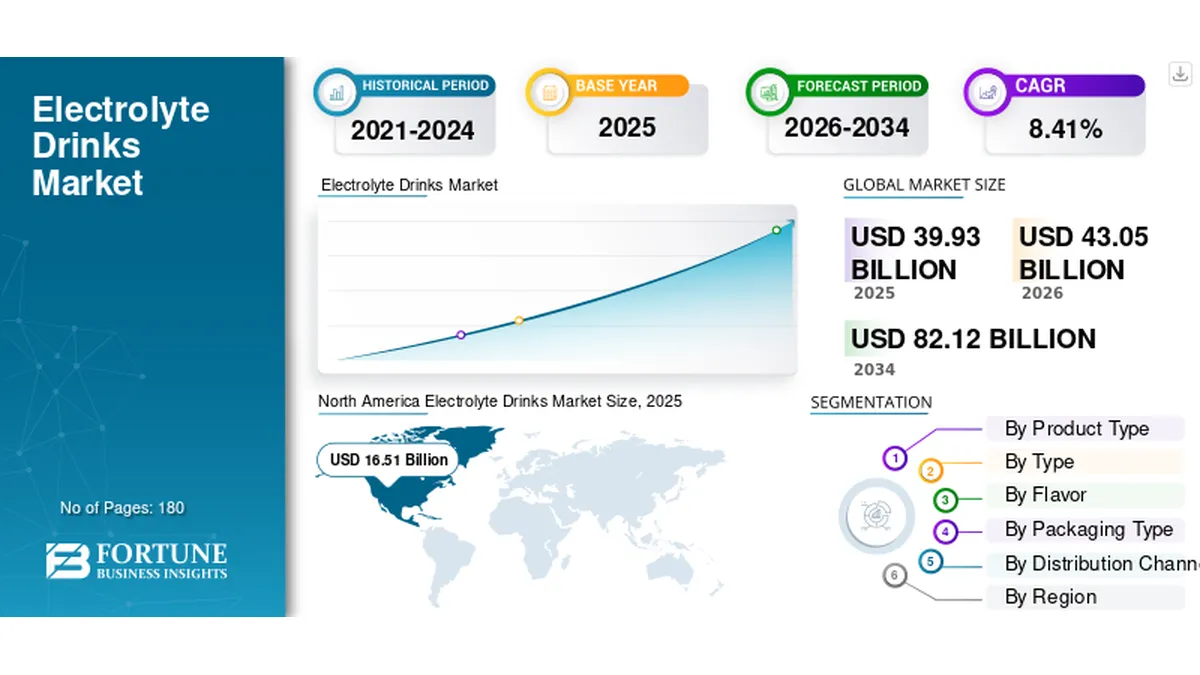
Fortune Business Insights projects the global electrolyte drinks market to reach $43.05 billion in 2026. It forecasts growth to $82.12 billion by 2034, with an 8.41% compound annual growth rate from 2026 to 2034. Within this segment, brands are expanding their ranges to serve more occasions and preferences.
Key Hydration Drink Trends to Watch
Proactive Hydration Moves Beyond Sports
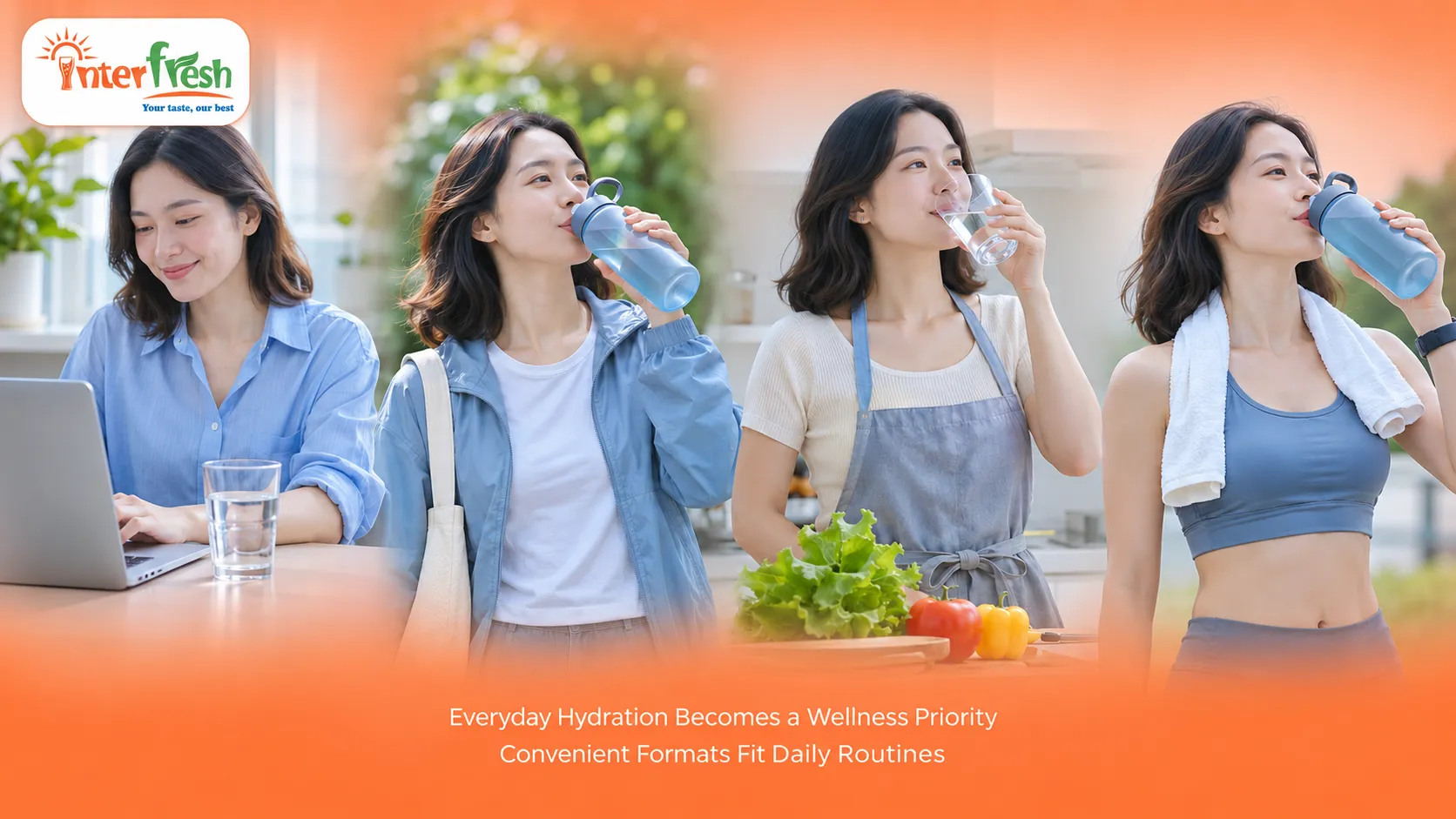
Proactive hydration brings regular drinking into everyday routines, extending product positioning beyond exercise. Brands increasingly address occasions such as working, commuting, and light activity.
Everyday Hydration Becomes a Wellness Priority
Many people aim to improve their hydration routines but find it difficult to stick with them. A British Liquid I.V. survey found that 65% of participants believed they weren’t drinking enough water. At the same time, 52% said hydration was their top wellness priority. Unilever referenced this survey in its 2026 announcement.
Convenient Formats Fit Daily Routines
Brands are responding with convenient products that fit existing routines. In its updated 2026 powder range, Propel positioned products for both workouts and desk use. Packets designed for a 20-ounce water bottle make preparation straightforward.
Everyday hydration therefore creates additional consumption occasions alongside exercise. For brands, the opportunity includes convenient, on-the-go hydration and messaging around daily routines. This positioning expands sports drink trends into broader wellness occasions without implying everyone needs daily electrolyte supplementation.
Survey scope: 1,000 British adults aged 18–65, surveyed in September 2025. Responses describe perceived intake and personal goals.
Low- and Zero-Sugar Options Reshape Product Choice
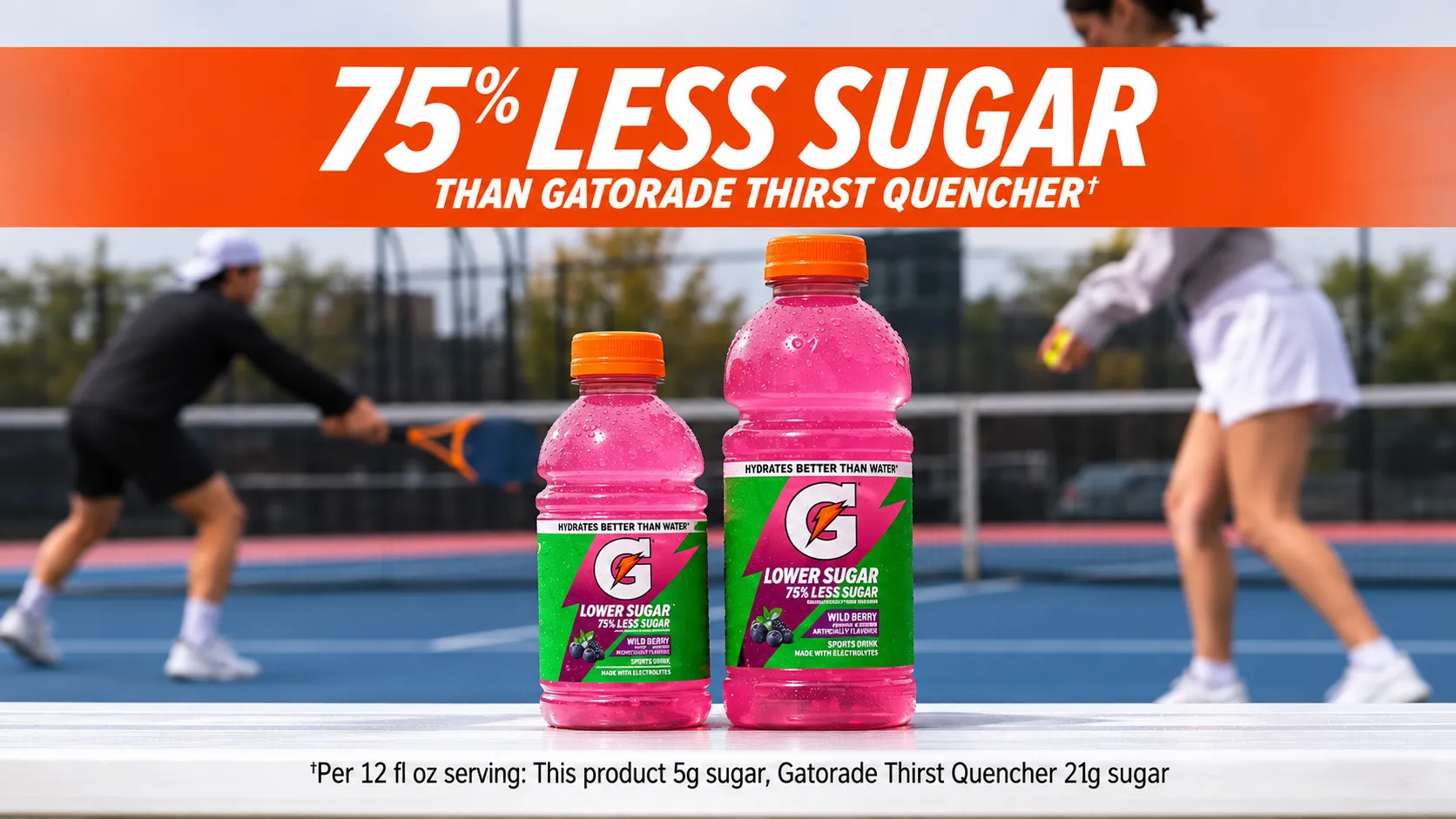
Brands are developing lower-sugar and zero-sugar hydration drinks alongside conventional formulas. Lower-sugar options reduce sugar against a comparison product, while sugar-free formulations target consumers avoiding sugar in their drinks. These alternatives allow brands to address different preferences within one range.
Gatorade Lower Sugar, launched in March 2026, contains 75% less sugar than Gatorade Thirst Quencher. The company also states that it uses no artificial flavors, sweeteners, or colors. Its launch combines sugar reduction with changes to the ingredient proposition.
Liquid I.V. expanded its Sugar-Free range into Britain in 2026. According to Unilever, the range contributed over 30% of American Liquid I.V. sales after its 2023 launch. That commercial contribution preceded its expansion into another market.
The opportunity extends beyond removing sugar. Brands must also consider sweetness profile, aftertaste, and overall taste balance. Low-sugar hydration drinks and zero-sugar alternatives can serve different preferences without requiring a single formula across the entire portfolio.
Electrolyte Formulations Become a Point of Differentiation
Electrolyte drink innovation increasingly focuses on mineral blends, quantities, and intended use. Some products address everyday occasions; others target consumers who lose substantial salt through sweat.
Electrolyte Blends Target Specific Needs
In its May 2026 update, Gatorlyte highlighted a five-electrolyte blend for people experiencing substantial salt losses through sweating. This approach connects electrolyte content with a defined need, giving the product a clearer role within the range.
Clear Ingredient Information Builds Trust
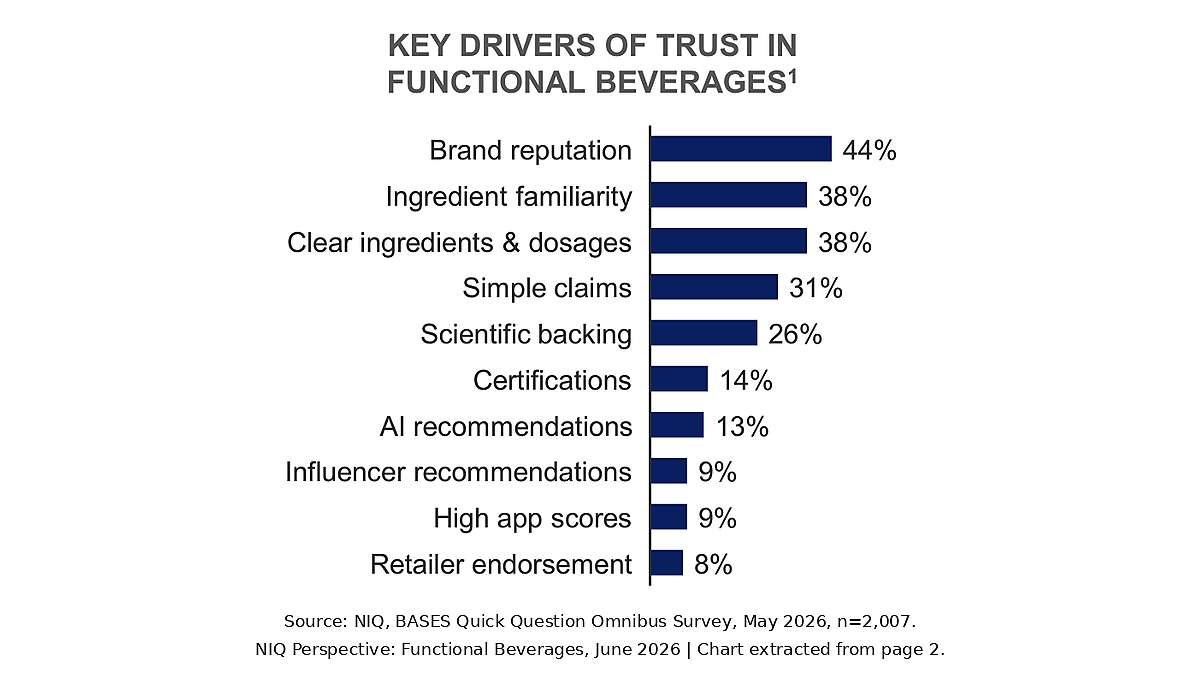
Ingredient transparency helps communicate that distinction. A May 2026 NIQ survey included 2,007 respondents. 38% identified clear ingredients and quantities as a factor building trust in functional beverages.
As electrolyte blends become a competitive feature, consumers need understandable information about each serving. Targeted hydration positioning should explain the intended occasion and the formula supporting it. More minerals or higher quantities do not automatically make a product better suited to every consumer.
“Hydration Plus” Expands into Functional Waters
Hydration Plus combines hydration positioning with another proposition, such as protein or energy. Brands are exploring protein, fiber, and caffeine while adapting formats to suit each formula.
Protein Adds a Nutritional Proposition
Propel Clear Protein, launched in May 2026, combines 20 grams of whey protein, three grams of fiber, and electrolytes. The sugar-free powder comes in Peach Ginger, Apple Pear, and Watermelon flavors. It brings protein-enriched beverages into a fruit-flavored format mixed with water. 5
For buyers following protein water trends, this launch illustrates the adjacent opportunity in ready-to-mix products. It combines hydration positioning and nutrition in one preparation step.
Caffeine Connects Hydration with Energy
Hydration and energy drink trends also overlap in new formats. BODYARMOR FIT launched in America in June 2026, combining 290 milligrams of electrolytes and 60 milligrams of caffeine. Its zero-sugar, carbonated canned format adds another option alongside conventional sports drinks.
Functional Beverage Growth Provides Market Context
The broader functional category provides context for these launches. NIQ recorded 12.7% revenue growth and 9.0% unit growth for functional beverages over the 52 weeks ending May 23, 2026. These results cover functional beverages overall, rather than hydration alone.
Functional water trends are therefore intersecting with nutrition and energy propositions. Protein powders mixed with water and caffeinated hydration drinks offer distinct experiences within this wider direction. Their formulas and formats need to support a clearly defined reason to buy.
Product details reflect brand disclosures. Propel Clear Protein is ready-to-mix; BODYARMOR FIT is ready-to-drink. Launch examples demonstrate product development, rather than proven health outcomes.
Hydration Drink Flavor Trends: Familiar Fruits and New Combinations
Brands are expanding hydration ranges through fruit flavors and new combinations. This gives consumers more choice within an existing product line.
In Hydration Matters 2024, FMCG Gurus found that about 40% of consumers choose taste over hydration in drinks.
Leading and Fastest-Growing Flavors in Kerry Taste Charts 2026
| Rank within each group | Dominant flavors — What’s NOW | Fastest-growing flavors — What’s NEW |
|---|---|---|
| 1 | Apple | Black Cherry |
| 2 | Orange | Nectarine |
| 3 | Lemon | Dragon Fruit |
| 4 | Mango | Blue Raspberry |
| 5 | Strawberry | Lychee |
Familiar Fruits Meet New Flavor Combinations
The chart suggests two development directions: retain familiar fruit flavors and explore growing alternatives. Tropical fruit flavors appear in both groups, with mango among established options and dragon fruit among faster-growing choices.
For hydration, fruit flavor combinations offer one practical route. Gatorlyte added Strawberry Kiwi in 2026, refreshing its existing range through a blended flavor.
For 2027, Interfresh suggests testing one familiar flavor alongside one distinctive option. Assess repeat purchase potential through product trials, especially when changing sugar levels or electrolyte formulas.
Product Formats and Distribution Channels to Consider
| Consumption occasion | Potential channels | Points to assess |
|---|---|---|
| Everyday refreshment at home or work | Supermarkets, grocery stores, online retail | Flavor appeal, sugar level, pack size, repeat purchase potential |
| On-the-go refreshment | Convenience stores, travel retail | Portable packaging, serving size, chilled availability, retail price |
| Refreshment around exercise | Gyms, sports venues, convenience stores | Formula suitability, serving size, drinking experience, product positioning |
These channels are planning options, rather than conclusions about the best route for every product.
What These Trends Mean for Your 2027 Beverage Plan
Start with one consumer need, then align the formula, flavor, format, and message. For hydration drink distributors and retailers, this approach helps define each product’s role within the assortment.
Use the following decisions to turn hydration market trends into a focused beverage product development brief.
| Planning decision | Practical action for 2027 |
|---|---|
| Choose a primary occasion | Define everyday, on-the-go, or sports use. Let that occasion guide serving size and positioning. |
| Define the core proposition | Explain why someone would choose the product. Add functions only when the formulation and evidence support the positioning. |
| Develop sugar level and flavor together | Compare samples with different sugar levels. Assess sweetness, aftertaste, and the complete drinking experience before selecting a formula. |
| Build a focused flavor range | Test one accessible flavor and one distinctive option. Evaluate trial appeal and repeat purchase interest separately. |
| Validate the concept before expanding | Gather target customers’ feedback on samples, positioning, and expected retail price. Use those findings to refine the launch. |
Choose one priority concept and agree on sample evaluation criteria before expanding the range. These recommendations support beverage innovation for 2027; they are planning proposals, rather than guaranteed market forecasts.
What Hydration Solutions Does Interfresh Offer?
Interfresh offers coconut water/carbonated drink products and OEM services for businesses developing their own non-alcoholic beverage brands. We can discuss product bases, flavors, sugar levels, and packaging for your hydration concept.
Our team confirms available formulations and packaging after reviewing your requirements. Start with your preferred beverage type, target market, serving size, and sugar level.
Share your 2027 beverage concept with Interfresh to explore suitable products and customization options.
References
- Fortune Business Insights — Electrolyte Drinks Market. Updated October 26, 2026. Source for electrolyte market estimates and forecasts.
2. PepsiCo — Gatorade Lower Sugar. March 4, 2026.
3. Unilever — Liquid I.V. Sugar-Free Launch in Britain. 2026. Includes September 2025 survey findings and company sales disclosures.
4. Gatorade — Powders Get a 2026 Upgrade. May 11, 2026.
5. PepsiCo — Propel Clear Protein. May 6, 2026.
6. Coca-Cola — New Flavors, Functional Drinks and More. October 5, 2026. Identifies June 2026 as the BODYARMOR FIT launch date.
7. NIQ — Functional Beverages. June 2026, pages 1–2. Covers functional beverages overall.
8. FMCG Gurus — Hydration Matters: Exploring Consumer Behaviors. Published findings from Hydration Matters 2024.
9. Kerry — Europe Taste Charts 2026. See Methodology & Categories and Refreshing Beverage. Official Kerry announcement, January 14, 2026.