
A wrong factory choice does not show up on day one. It shows up in week six, when samples miss the deadline and Q4 shelf space sits empty. Choosing the right beverage OEM manufacturer Vietnam matters more than most buyers expect going in.
This is Part 2 of the Interfresh Private Label Playbook. Part 1 covered what private label beverage manufacturing actually means. This part covers how to choosing the right OEM manufacturer Vietnam.
Quick Checklist Summary
- Prepare a written brief before contacting any beverage OEM manufacturer Vietnam factory.
- Confirm certifications directly, never take a verbal claim at face value.
- Ask about production capacity beyond your first order, not just your first order.
- Match packaging format to your product before comparing quotes.
- Request a sample and evaluate it against a written standard, not just taste.
- Confirm who owns your formula in writing, before any recipe is shared.
Before You Contact a Manufacturer: Prepare Your Brief
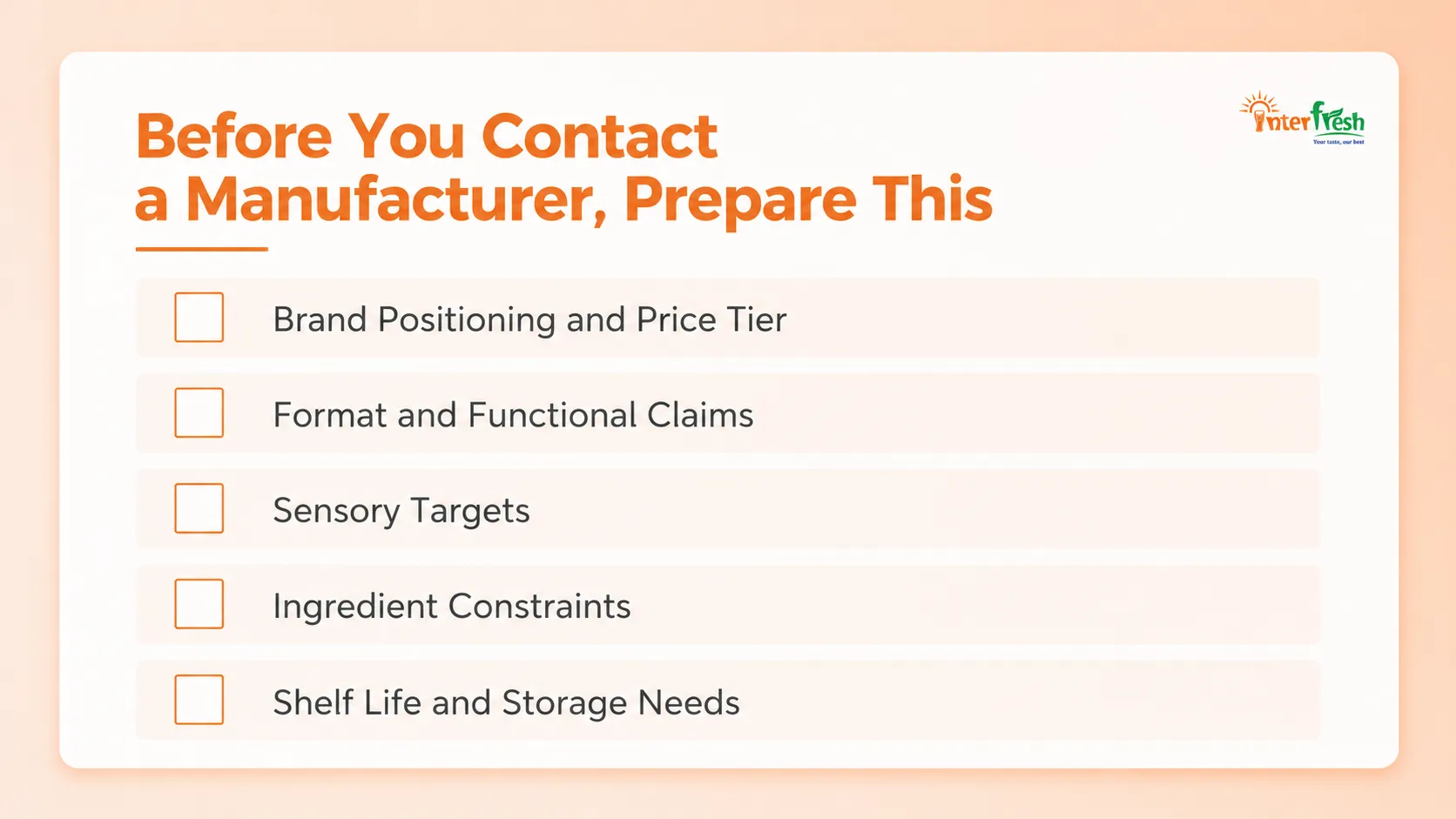
Most first time buyers call a factory before they know what they actually want. This wastes both sides’ time and produces vague, unusable quotes.
A beverage OEM manufacturer Vietnam factory can only quote accurately against a clear brief. Vague requests produce vague numbers. Specific requests produce numbers you can actually compare.
What Your Brief Should Include for Choosing a Right OEM Manufacturer
Cover five points before your first call. Brand positioning and target price tier. Format, meaning still or sparkling, and any functional claims. Sensory targets, including sweetness level and mouthfeel. Ingredient constraints, such as must avoid allergens. Shelf life and storage expectations, ambient or chilled.
Why This Step Gets Skipped, and Why It Shouldn’t
Founders often skip this step, assuming the factory will guide them through it. Some do. Many simply quote against assumptions, which surface as costly changes later. A written brief protects your timeline as much as your budget.
Certifications and Compliance: The Non Negotiable Filter
Certification claims separate export ready factories from domestic only operations fast. This is the first filter, not the last one, when evaluating a beverage OEM manufacturer Vietnam shortlist.
Ask for scanned certificates directly, not a verbal confirmation on a call. Core certifications to confirm include FDA Food Facility Registration, HACCP, ISO 22000 and GMP. Our full ISO 22000 versus HACCP versus BRC comparison explains what each standard actually verifies.
Certification alone does not guarantee quality, but its absence is a genuine warning sign. A factory unwilling to share documentation before a contract is signed rarely becomes more transparent after.
R&D and Formulation Capability: Can They Build Your Product
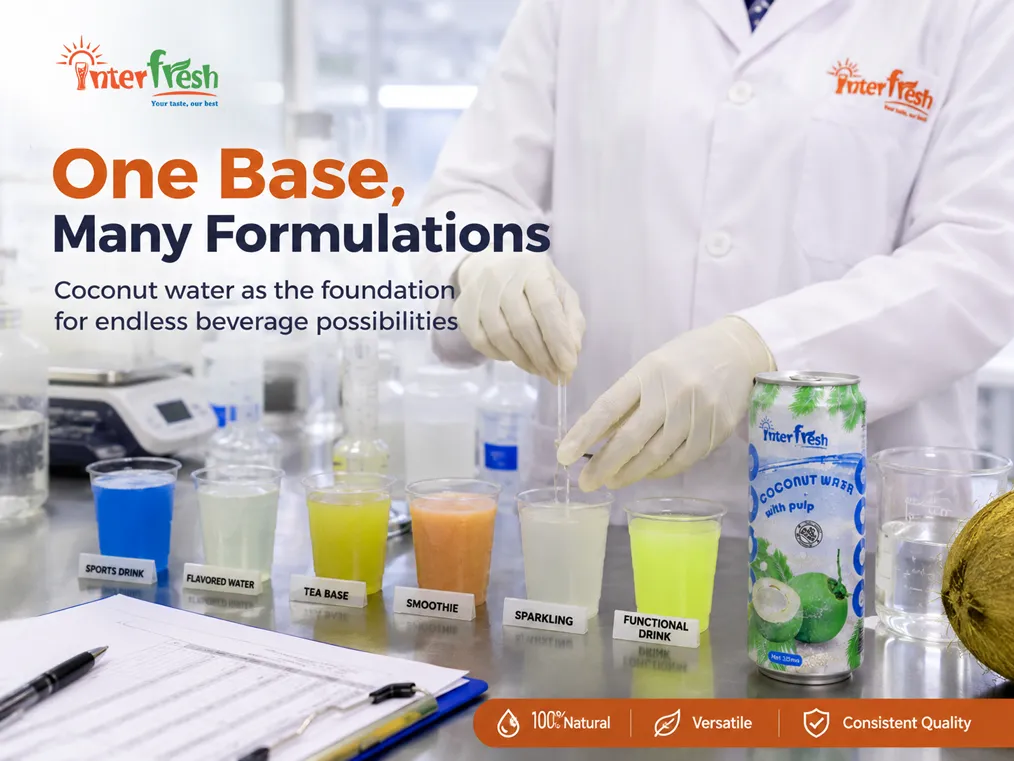
Certifications confirm safety. Research and development capability confirms whether the factory can actually build the product you have in mind. These are separate questions, and buyers often conflate them.
A capable beverage OEM manufacturer Vietnam partner asks pointed questions about your brief, not just accepts it. Good R&D teams push back on unrealistic sensory targets before production, not after a failed batch.
Questions to Ask About R&D when choosing a right OEM manufacturer
Ask how many formulations they typically test before finalizing a recipe. Ask whether stability testing runs before or after your first commercial order. Ask for examples of past products in your exact category, not adjacent ones.
Production Capacity: Will You Outgrow This Factory in Six Months
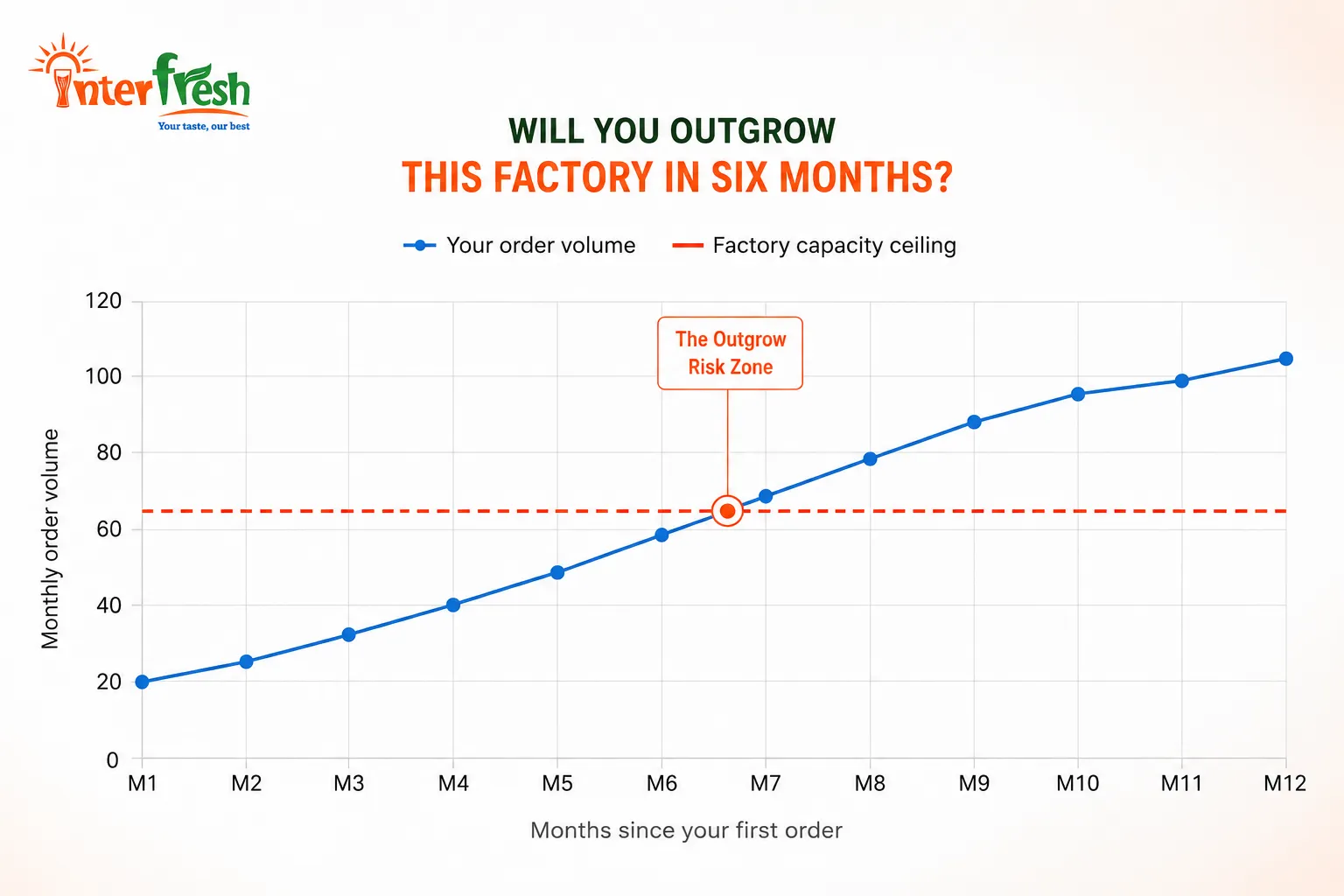
This is the mistake most first time buyers make. They evaluate a factory against their first order size, not their likely order size a year from now.
A beverage OEM manufacturer Vietnam factory sized for your pilot run may lack capacity for your first reorder spike. Ask directly about maximum monthly output per line, not just current available slots.
Signs a Factory Is Already at Capacity
Watch for quoted lead times that keep slipping during early conversations. Watch for reluctance to commit to a production slot more than a few weeks out. Both signal a factory already stretched thin before you even place an order.
Packaging Capability: Matching Format to Your Product
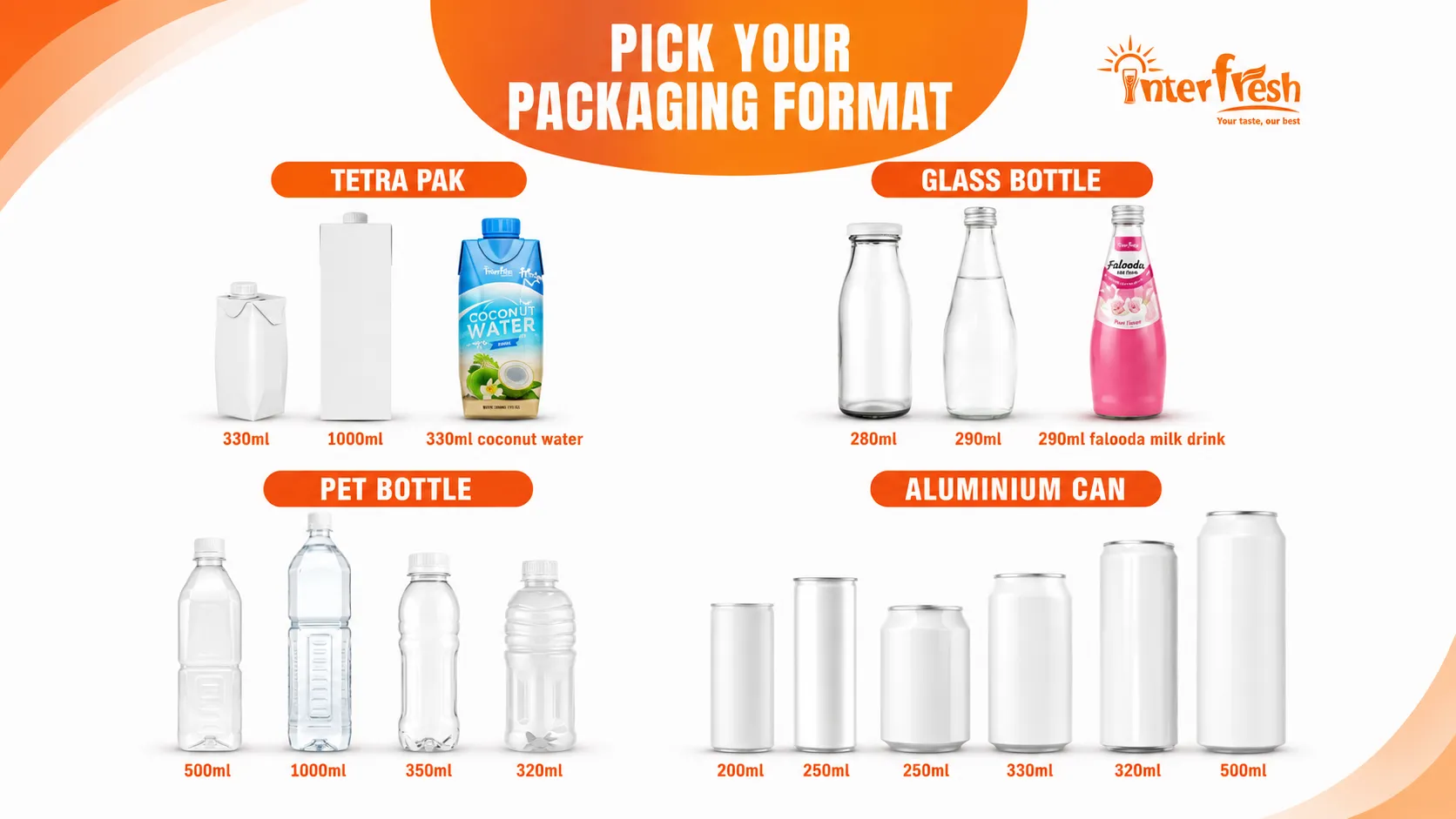
Packaging format is a technical decision disguised as a design choice. Getting this wrong after formula approval is expensive to fix.
Aluminum, PET and glass each demand different filling and sealing equipment. A beverage OEM manufacturer Vietnam factory strong in one format is not automatically strong in all three.
Aluminum Cans
Cans offer full protection against light and oxygen, which matters for functional or clean label drinks. Confirm the factory runs modern seaming technology, since poor seams cause leaks and lost carbonation. Standard shelf life across most Vietnamese can lines runs 18 to 24 months.
PET and Glass Bottles
PET suits cost sensitive, high volume categories, generally at a lower per unit packaging cost than cans. Glass suits premium positioning but adds freight weight and breakage risk during export. Confirm which formats a factory runs in house, rather than through a subcontractor.
Export Experience and Market Specific Compliance
Domestic production experience does not guarantee export readiness. This distinction matters enormously for a Q4 order bound for an overseas market.
Ask a beverage OEM manufacturer Vietnam factory directly how many countries they currently export to. For US bound orders, our FDA requirements guide lists the documentation a factory should already have ready.
Buyers targeting the Middle East face an added layer. Our Halal beverage OEM manufacturer guide and Halal beverage supplier guide cover what retailers there require. Buyers still comparing Vietnam against other origins can also read our Vietnam versus China OEM comparison.
Pricing Transparency: What a Real Quote Should Include
A vague quote is a warning sign, not a negotiation opening. A trustworthy beverage OEM manufacturer Vietnam factory itemizes cost clearly from the first conversation.
Confirm whether a quote uses a toll fee or full package pricing model. Our OEM versus ODM comparison breaks down exactly how these two pricing structures differ. A full package quote should separately list ingredients, packaging, labor and any development fee.
Also confirm MOQ terms in writing before comparing prices across factories. Our MOQ guide for beverage OEM Vietnam explains how volume tier affects your real per unit cost. Our cost to manufacture beverages guide breaks that cost down further by product category.
Intellectual Property: Who Really Owns Your Formula
Your formula is your most valuable asset in this relationship, more valuable than any single purchase order. Confirm ownership terms before any recipe details are shared, not after.
A signed non disclosure agreement should precede any serious formulation discussion with a beverage OEM manufacturer Vietnam factory. Our detailed breakdown of recipe IP and trade secret protection explains why this differs from patent protection entirely.
Ask specifically who owns any formula adjustments made during development. This single contract clause prevents most disputes that surface only after a relationship has grown valuable.
The Sampling Process: Your Real Test Before Committing
A sample is not just a taste test. It is your clearest window into how a factory actually operates before you commit real budget.
Strong beverage OEM manufacturer Vietnam factories typically return first samples within 5 to 7 business days of a confirmed brief. Slower turnaround at this early stage often predicts slower turnaround at every stage that follows. Our 7 step guide to starting a beverage brand walks through what happens once a sample is approved.
What to Evaluate in a Sample
Taste and aroma matter, but they are not the only test. Confirm the sample matches your original brief, not a close approximation. Ask for the shelf life testing plan behind that sample, not just the flavor itself.
Red Flags: When to Walk Away From a Manufacturer
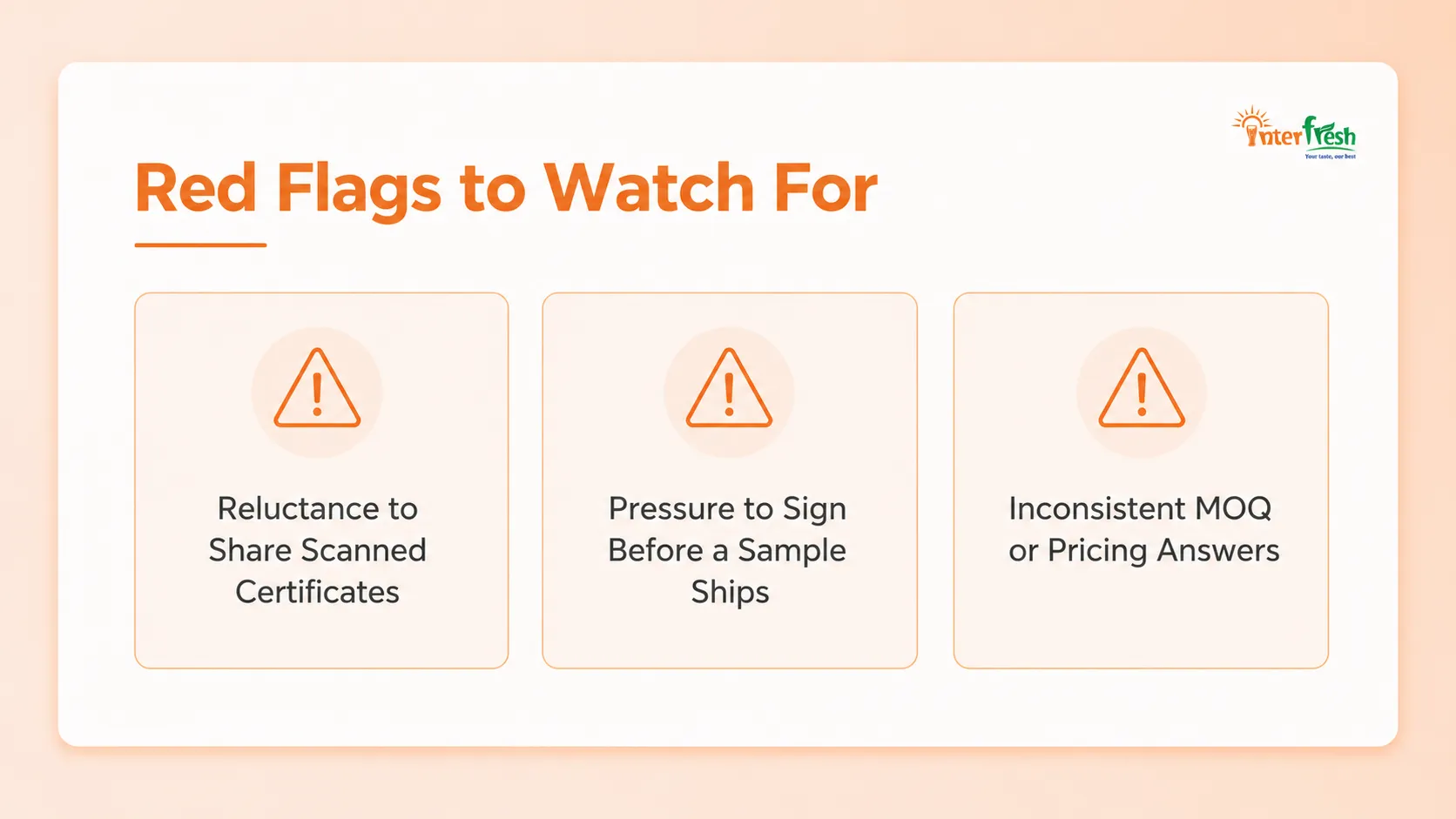
Some warning signs are subtle. Others are obvious once you know to look for them. Either way, walking away early costs far less than walking away after production.
Reluctance to provide scanned certificates, rather than photographs or verbal claims, is a clear red flag. Pressure to sign before you receive a sample is another. A factory confident in its product lets you evaluate it first.
Inconsistent answers about MOQ or pricing across separate conversations also signal disorganization internally. That disorganization tends to surface again during your actual production run.
The Manufacturer Evaluation Scorecard
Use this scorecard to compare factories on the same criteria, side by side, rather than relying on impression alone.
| Criteria | Factory A | Factory B | Factory C |
|---|---|---|---|
| Certifications confirmed in writing | |||
| R&D pushed back on unrealistic targets | |||
| Production capacity beyond first order | |||
| Packaging format matches product | |||
| Export experience in your target market | |||
| Quote itemized clearly | |||
| IP terms confirmed before formula shared | |||
| Sample delivered within 5 to 7 days | |||
| No major red flags observed |
A factory scoring well across every row deserves serious consideration for your Q4 order. A factory failing even two or three rows deserves a harder look before you commit budget.
FAQs: How to Choose the right OEM Manufacturer Vietnam
What certifications should a beverage OEM manufacturer Vietnam factory hold? Core certifications include FDA Food Facility Registration, HACCP, ISO 22000 and GMP. Always request scanned copies directly from the factory.
How long should sampling take before I commit to an order? Strong factories return first samples within 5 to 7 business days. Longer delays at this early stage often predict slower production later.
Should I choose the factory with the lowest quote? Not automatically. Confirm the quote includes certification, testing and packaging costs before comparing price across factories.
How do I know if a factory can scale with my brand? Ask about maximum monthly output per line, not just current available slots. Watch for slipping lead times during early conversations.
Who owns my formula if I work with an OEM manufacturer? You do, under a properly signed non disclosure agreement. Confirm this in writing before sharing any recipe details.
What is the biggest mistake first time buyers make when choosing a factory? Evaluating capacity against their first order size, not their likely volume a year later. This causes many brands to outgrow their factory within months.
References
- BevSource (2026). How to Choose a Beverage Co Packer.
- Food Research Lab (2026). Beverage Contract Manufacturing: What Brands Should Know.
- US Food and Drug Administration (2026). FSMA Final Rule on Foreign Supplier Verification Programs, FSVP.
- International Organization for Standardization (2026). ISO 22000, Food Safety Management.
Continue the Private Label Playbook
These guides carry Part 2 forward into pricing, compliance and market specific execution.
- Private Label Beverage Manufacturers Playbook, Part 1
- OEM and Private Label Beverage Manufacturer Guide for Vietnam
- OEM vs ODM Beverages: Which Model Is Right for Your Brand
- MOQ Guide for Beverage OEM Vietnam
- Cost to Manufacture Beverages in Vietnam 2026
- How to Start a Beverage Brand: 7 Steps
- Vietnam vs China OEM Beverage Comparison
- ISO 22000 vs HACCP vs BRC Certifications
- FDA Requirements for Importing Beverages from Vietnam
- Halal Beverage OEM Manufacturer for the Middle East
- Halal Beverage Supplier for the Middle East